Hopp til hovedinnholdet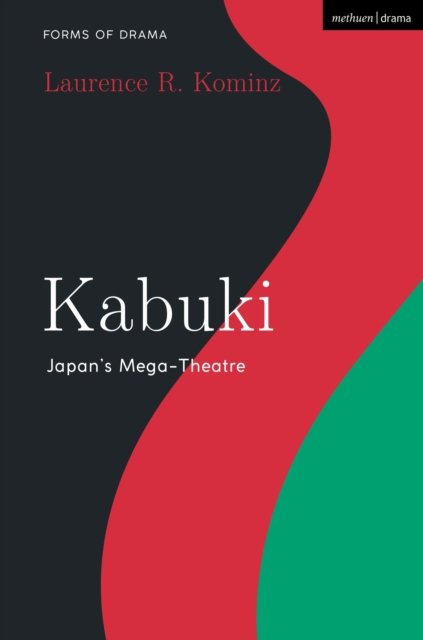
Kabuki
Av Laurence R. Kominz, 2026.Del av serien Forms of Drama.
Japan’s Mega-Theater
This volume provides an accessible overview of the history of kabuki, Japan's 'music-dance-drama'. It traces the development of the form from its ribald, burlesque beginnings in the early 1600s, the creation of grand melodramas in the 1700s, through to 21st century experimental fusions with pop culture, and examines six popular works drawn from the 18th-20th centuries. Along the way, it examines the development of star-driven commercial theater with blockbuster plays; the 250 year running conflict with the ruling samurai regime; the invention of horror theater; and classicization and Western influence in the 19th and 20th centuries. Within this historical framework the author analyzes in detail six of the most frequently performed kabuki plays, focusing on play writing and intertextuality, stage presentation (costuming/direction/acting/stage effects), and audience reception from first performances until today, both in Japan and abroad. Drawing on his directorial experience, Kominz explores how fine acting and dance are used alongside exciting staging to facilitate intense audience engagement with both the story they are witnessing and the stage actors themselves.
InnbundetEngelsk
Butikkpris: 929,-
868,-
Ikke tilgjengelig for Klikk&Hent
Forhåndsbestill
Forventes i salg 09.07.2026
Kabuki
Av Laurence R. Kominz, 2026.Del av serien Forms of Drama.
Japan’s Mega-Theater
This volume provides an accessible overview of the history of kabuki, Japan's 'music-dance-drama'. It traces the development of the form from its ribald, burlesque beginnings in the early 1600s, the creation of grand melodramas in the 1700s, through to 21st century experimental fusions with pop culture, and examines six popular works drawn from the 18th-20th centuries. Along the way, it examines the development of star-driven commercial theater with blockbuster plays; the 250 year running conflict with the ruling samurai regime; the invention of horror theater; and classicization and Western influence in the 19th and 20th centuries. Within this historical framework the author analyzes in detail six of the most frequently performed kabuki plays, focusing on play writing and intertextuality, stage presentation (costuming/direction/acting/stage effects), and audience reception from first performances until today, both in Japan and abroad. Drawing on his directorial experience, Kominz explores how fine acting and dance are used alongside exciting staging to facilitate intense audience engagement with both the story they are witnessing and the stage actors themselves.
Butikkpris: 929,-
868,-
InnbundetEngelsk
Ikke tilgjengelig for Klikk&Hent
Forhåndsbestill
Forventes i salg 09.07.2026
868,-
Ved å fullføre kjøpet aksepterer du kjøpsvilkårene.