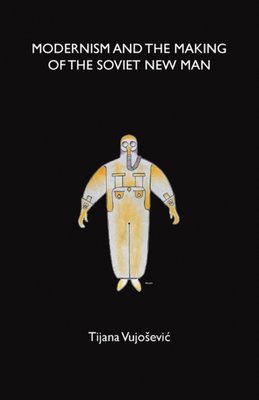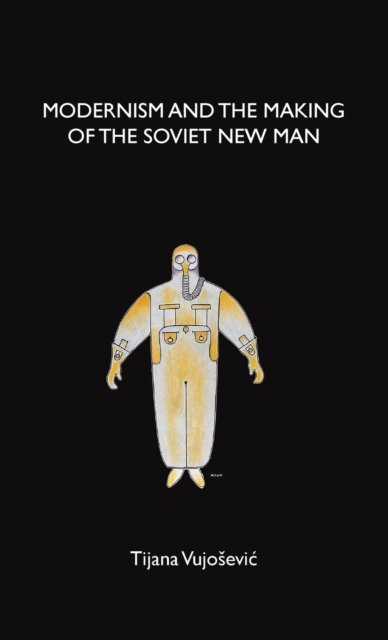
Modernism and the Making of the Soviet New Man
Av Tijana Vujosevic, 2017.
What connects modern architecture and design with the varied fields of literature, statistics, theatre and space travel?
Tijana Vujoševic explores these questions through a study of the most radical and comprehensive of modernist projects: the invention of communist culture in the aftermath of the October Revolution. During this period, creative people from all disciplines shared a great zeal for inventing the Soviet citizen – the New Man – as well as for designing and narrating the places in which he or she might live. Drawing unique connections between official culture and its 'personalised' versions – utopia and reality, the will for progress and for tyranny – Vujoševic investigates architecture as a vehicle for creating Soviet identity. In so doing, she traces the evolution of Soviet culture from a productivist model, according to which citizens are imagined as workers, to a representational one, where they are connoisseurs of socialism as a total work of art. This evolution provides key insights into the ethical dimension of architecture as a nexus between politics and aesthetics, and as a practice that defines modern culture in a fundamental way.
Ikke tilgjengelig for Klikk&Hent
Midlertidig tomt på lager
Bestillingsvare. Forventes sendt om ca 10 dager
Modernism and the Making of the Soviet New Man
Av Tijana Vujosevic, 2017.
What connects modern architecture and design with the varied fields of literature, statistics, theatre and space travel?
Tijana Vujoševic explores these questions through a study of the most radical and comprehensive of modernist projects: the invention of communist culture in the aftermath of the October Revolution. During this period, creative people from all disciplines shared a great zeal for inventing the Soviet citizen – the New Man – as well as for designing and narrating the places in which he or she might live. Drawing unique connections between official culture and its 'personalised' versions – utopia and reality, the will for progress and for tyranny – Vujoševic investigates architecture as a vehicle for creating Soviet identity. In so doing, she traces the evolution of Soviet culture from a productivist model, according to which citizens are imagined as workers, to a representational one, where they are connoisseurs of socialism as a total work of art. This evolution provides key insights into the ethical dimension of architecture as a nexus between politics and aesthetics, and as a practice that defines modern culture in a fundamental way.
Ikke tilgjengelig for Klikk&Hent
Midlertidig tomt på lager
Bestillingsvare. Forventes sendt om ca 10 dager
Ved å fullføre kjøpet aksepterer du kjøpsvilkårene.