Hopp til hovedinnholdet




Race and the Scottish Enlightenment
Av Bruce Buchan, Linda Andersson Burnett, 2025.Del av serien The Lewis Walpole Series in Eighteenth-Century Culture and History.
A Colonial History, 1750-1820
How colonialism shaped the Scottish Enlightenment’s conception of race and humanity In the decades after 1750, an increasing number of former medical students from the University of Edinburgh construed humanity as a subject of both intellectual curiosity and colonial interest. They drew on a shared educational background, blending medicine with natural history and moral philosophy, in a range of encounters with non-European and Indigenous peoples across the globe whom they began to classify as races. Focusing on a surprising number of these understudied students, this book reveals the gradual predominance of race in Scottish Enlightenment thought. Teaching provided a toolbox of concepts and theories for students who went on to careers as military and naval surgeons, colonial administrators, and natural historians. While some, such as Mungo Park—who traveled in Africa—are well known, many others such as the long-term residents in the Russian Empire, Matthew Guthrie and his wife, Maria Guthrie, or the Caribbean botanist Alexander Anderson are less remembered. Among this group were those such as the Pacific traveler Archibald Menzies and the circumnavigator of Australia, Robert Brown, who are known primarily as botanists rather than as ethnographers. Together they formed a global network of colonial travelers and natural historians sharing a common educational background and a growing interest in race.
InnbundetEngelsk
Butikkpris: 729,-
678,-
Ved å fullføre kjøpet aksepterer jeg kjøpsvilkårene.
Ikke tilgjengelig for Klikk&Hent
På nettlager. Bestilles fra England. Leveres normalt innen 5-8 virkedager.
Oppdag mer
Race and the Scottish Enlightenment
Av Bruce Buchan, Linda Andersson Burnett, 2025.Del av serien The Lewis Walpole Series in Eighteenth-Century Culture and History.
A Colonial History, 1750-1820
How colonialism shaped the Scottish Enlightenment’s conception of race and humanity In the decades after 1750, an increasing number of former medical students from the University of Edinburgh construed humanity as a subject of both intellectual curiosity and colonial interest. They drew on a shared educational background, blending medicine with natural history and moral philosophy, in a range of encounters with non-European and Indigenous peoples across the globe whom they began to classify as races. Focusing on a surprising number of these understudied students, this book reveals the gradual predominance of race in Scottish Enlightenment thought. Teaching provided a toolbox of concepts and theories for students who went on to careers as military and naval surgeons, colonial administrators, and natural historians. While some, such as Mungo Park—who traveled in Africa—are well known, many others such as the long-term residents in the Russian Empire, Matthew Guthrie and his wife, Maria Guthrie, or the Caribbean botanist Alexander Anderson are less remembered. Among this group were those such as the Pacific traveler Archibald Menzies and the circumnavigator of Australia, Robert Brown, who are known primarily as botanists rather than as ethnographers. Together they formed a global network of colonial travelers and natural historians sharing a common educational background and a growing interest in race.
Oppdag mer
Butikkpris: 729,-
678,-
InnbundetEngelsk
Ved å fullføre kjøpet aksepterer jeg kjøpsvilkårene.
Ikke tilgjengelig for Klikk&Hent
På nettlager. Bestilles fra England. Leveres normalt innen 5-8 virkedager.
678,-
Ved å fullføre kjøpet aksepterer du kjøpsvilkårene.
Populært i samme kategori
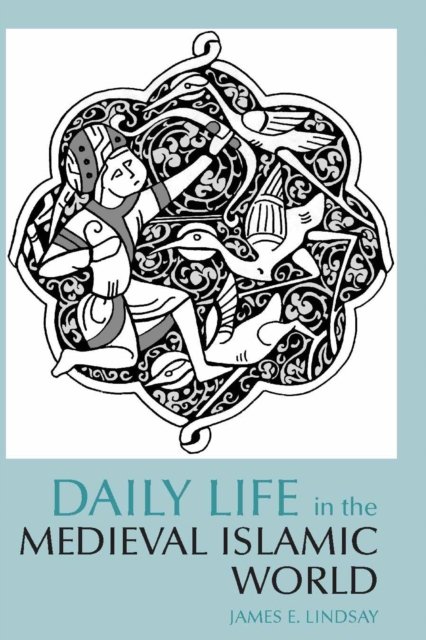
Daily Life in the Medieval Islamic World
James E. Lindsay
PocketEngelsk
Del av serien The Daily Life Through History series
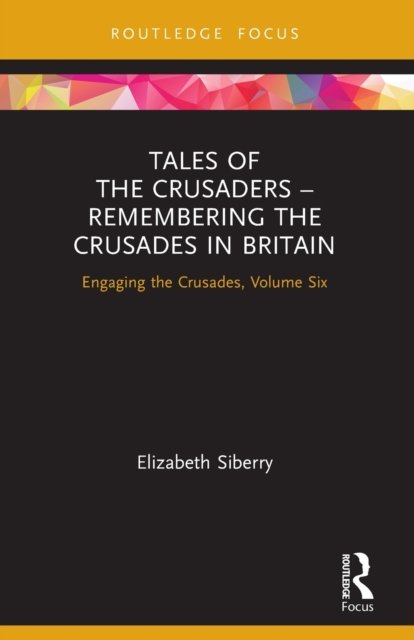
Tales of the Crusaders – Remembering the Crusades in Britain
Elizabeth Siberry
InnbundetEngelsk
Del av serien Engaging the Crusades
Tales of the Crusaders – Remembering the Crusades in Britain
Elizabeth Siberry
PocketEngelsk
Del av serien Engaging the Crusades
The Anglo-Japanese Alliance, 1902-1922
Phillips O'Brien
InnbundetEngelsk
Del av serien Routledge Studies in the Modern History of Asia
Great Powers and the Quest for Hegemony
Jeremy Black
InnbundetEngelsk
Del av serien War, History and Politics
The Anglo-Japanese Alliance, 1902-1922
Phillips O'Brien
PocketEngelsk
Del av serien Routledge Studies in the Modern History of Asia
Flere bøker av forfatter
Flere bøker i serien