Remembering the Past
Av Ishmeet Kaur Chaudhry, 2024.
Critical Perspectives on the Anti-Sikh Violence of 1984
The systematic pogrom targeting Sikhs in 1984, in the national capital and elsewhere in India, remains a deeply painful episode in India’s post-independence history. In October of that year, as the nation was still grappling with the repercussions of Operation Blue Star, the assassination of Prime Minister Indira Gandhi became a pretext for shocking anti-Sikh violence that lasted several days, resulting in over 3,000 deaths in Delhi alone, and the dispossession of many more. Over four decades on, it is crucial to understand the impact of this violence and its aftermath. What caused this rupture in the secular fabric of the country? How were mobs emboldened to act violently for days, with little fear of accountability?
Ved å fullføre kjøpet aksepterer jeg kjøpsvilkårene.
Ikke tilgjengelig for Klikk&Hent
På nettlager. Bestilles fra England. Leveres normalt innen 5-8 virkedager.
Oppdag mer
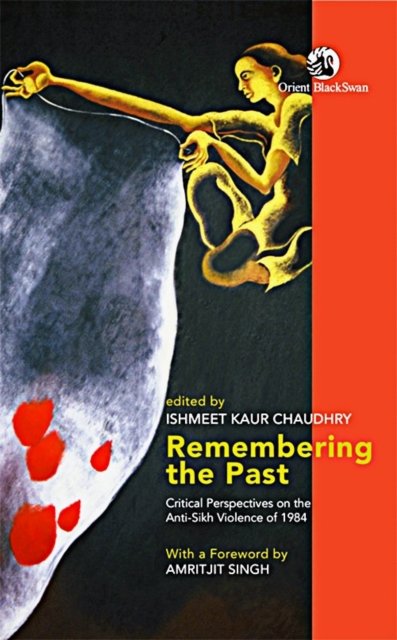
Remembering the Past
Av Ishmeet Kaur Chaudhry, 2024.
Critical Perspectives on the Anti-Sikh Violence of 1984
The systematic pogrom targeting Sikhs in 1984, in the national capital and elsewhere in India, remains a deeply painful episode in India’s post-independence history. In October of that year, as the nation was still grappling with the repercussions of Operation Blue Star, the assassination of Prime Minister Indira Gandhi became a pretext for shocking anti-Sikh violence that lasted several days, resulting in over 3,000 deaths in Delhi alone, and the dispossession of many more. Over four decades on, it is crucial to understand the impact of this violence and its aftermath. What caused this rupture in the secular fabric of the country? How were mobs emboldened to act violently for days, with little fear of accountability?
Oppdag mer
Ved å fullføre kjøpet aksepterer jeg kjøpsvilkårene.
Ikke tilgjengelig for Klikk&Hent
På nettlager. Bestilles fra England. Leveres normalt innen 5-8 virkedager.
Ved å fullføre kjøpet aksepterer du kjøpsvilkårene.