Hopp til hovedinnholdet


The British Army, the Gurkhas and Cold War Strategy in the Far East, 1947–1954
Av Raffi Gregorian, 2002.Del av serien Studies in Military and Strategic History.
This book argues that postwar Britain's 'imperial over-extension' has been exaggerated. Britain developed and adjusted its defence strategy based upon the perceived Communist threat and available resources. It was especially successful at adapting to meet the strategic and resource challenges from the Far East from 1947-54. There British and Gurkha forces were deployed only in contingencies that threatened vital British interests, while the U.S. and Commonwealth allies were persuaded to accept key wartime missions, thus preserving Britain's ability to fight in Western Europe.
Språk: Engelsk
Butikkpris: 1 329,-
1 248,-
Ikke tilgjengelig for Klikk&Hent
Midlertidig tomt på lager
Bestillingsvare. Forventes sendt om ca 17 dager
The British Army, the Gurkhas and Cold War Strategy in the Far East, 1947–1954
Av Raffi Gregorian, 2002.Del av serien Studies in Military and Strategic History.
This book argues that postwar Britain's 'imperial over-extension' has been exaggerated. Britain developed and adjusted its defence strategy based upon the perceived Communist threat and available resources. It was especially successful at adapting to meet the strategic and resource challenges from the Far East from 1947-54. There British and Gurkha forces were deployed only in contingencies that threatened vital British interests, while the U.S. and Commonwealth allies were persuaded to accept key wartime missions, thus preserving Britain's ability to fight in Western Europe.
Butikkpris: 1 329,-
1 248,-
Språk: Engelsk
Ikke tilgjengelig for Klikk&Hent
Midlertidig tomt på lager
Bestillingsvare. Forventes sendt om ca 17 dager
1 248,-
Ved å fullføre kjøpet aksepterer du kjøpsvilkårene.
Populært i samme kategori

The Bee and the Eagle
Alan Forrest, Peter H. Wilson
PocketEngelsk
Del av serien War, Culture and Society, 1750–1850
The Origins of U.S. Nuclear Strategy, 1945-1953
PocketEngelsk
Del av serien The World of the Roosevelts
Peace, War and the European Powers, 1814–1914
Christopher John Bartlett
PocketEngelsk
Del av serien European History in Perspective
Flere bøker i serien
The Sepoy and the Raj
David Omissi
PocketEngelsk
Del av serien Studies in Military and Strategic History
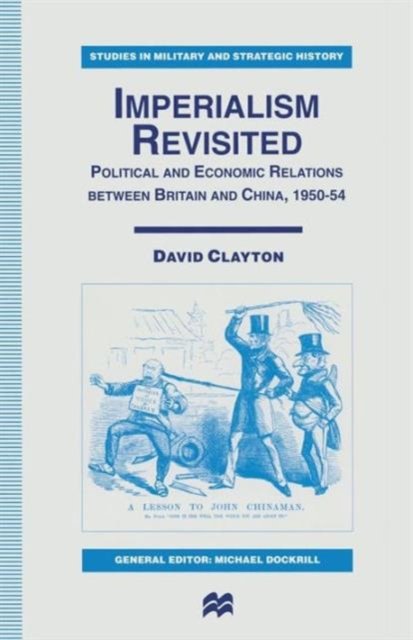
Imperialism Revisited
David Clayton
PocketEngelsk
Del av serien Studies in Military and Strategic History
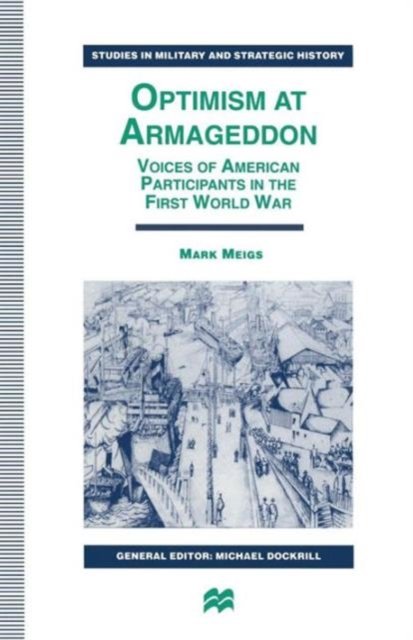
Optimism at Armageddon
Mark Meigs
PocketEngelsk
Del av serien Studies in Military and Strategic History
Kennedy, Macmillan and the Nuclear Test-Ban Debate, 1961-63
K. Oliver
InnbundetEngelsk
Del av serien Studies in Military and Strategic History
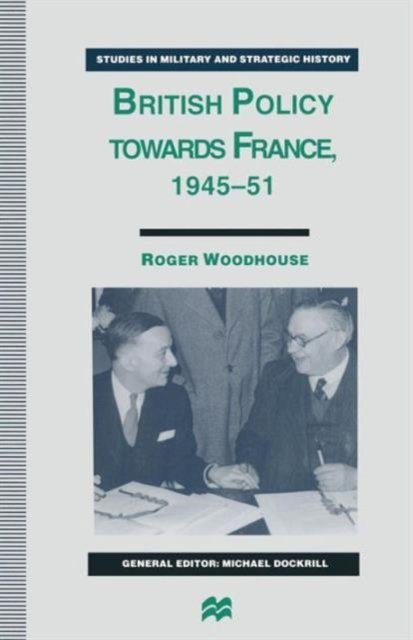
British Policy towards France, 1945–51
Roger Woodhouse
PocketEngelsk
Del av serien Studies in Military and Strategic History
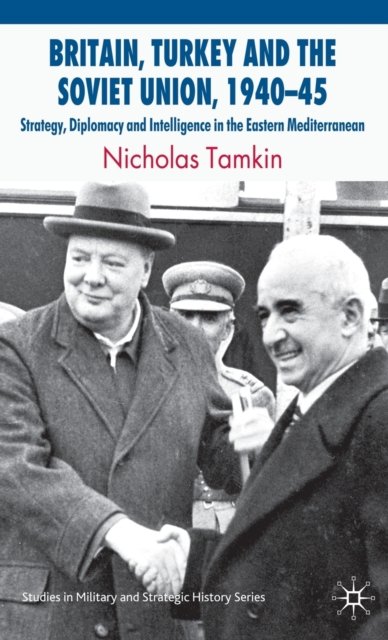
Britain, Turkey and the Soviet Union, 1940–45
N. Tamkin
InnbundetEngelsk
Del av serien Studies in Military and Strategic History
Britain, France and the Entente Cordiale Since 1904
A. Capet
PocketEngelsk
Del av serien Studies in Military and Strategic History
