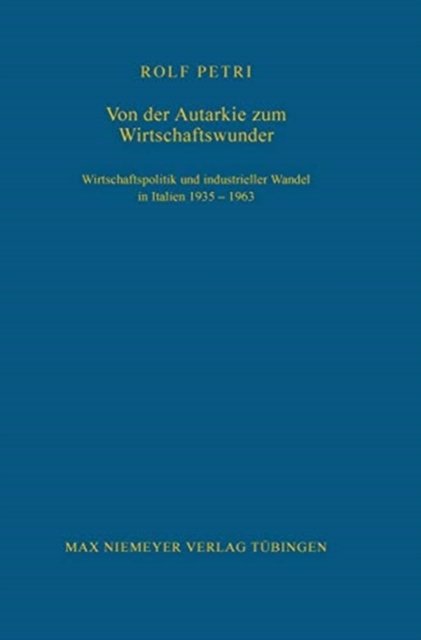
Von der Autarkie zum Wirtschaftswunder
Av Rolf Petri, 2001.Del av serien Bibliothek Des Deutschen Historischen Instituts in ROM.
Wirtschaftspolitik Und Industrieller Wandel in Italien 1935-1963
Erst in den zentralen Jahrzehnten des 20. Jahrhunderts hat Italien alle wesentlichen Strukturmerkmale eines Industriestaates ausgebildet. Die Untersuchung fragt nach Bedingungen und Triebkräften des Prozesses, der um 1960 zum Abschluß kam. Dabei wird die gängige These von der Verschiedenartigkeit der wirtschaftspolitischen Ansätze in den dreißiger und fünfziger Jahren in Frage gestellt. Zum ersten Mal wird eine systematische Bilanz der italienischen Autarkiepolitik gezogen. Es wird gezeigt, warum ihre kriegswirtschaftliche Bedeutung hinter die industriepolitische zurücktrat. Der damals eingeleitete Strukturwandel, die später fortlaufenden Pfade technologischer und institutioneller Erneuerung, die Kontinuität ökonomischer Entscheidungsstrukturen, die Modalitäten des Wiederaufbaus nach dem Weltkrieg und der italienischen Beteiligung an der europäischen Integration, schließlich die strukturellen und ordnungspolitischen Merkmale des "Wirtschaftswunders" stützen sämtlich die Annahme, die Autarkieperiode stelle lediglich eine erste Etappe auf dem Weg von der halbagrarischen zur industriellen Volkswirtschaft dar. Die damaligen Planungen werden als Teil einer langfristig zur Geltung kommenden neo-merkantilistischen Strategie betrachtet, deren beständigste soziale Trägergruppe die zwischen 1935 und 1963 zu großer Entscheidungsmacht aufgestiegene Wirtschaftstechnokratie war. Die Ergebnisse der Untersuchung laufen somit auf eine in vieler Hinsicht neue Periodisierung der italienischen Wirtschaftsgeschichte im 20. Jahrhundert hinaus.
Ikke tilgjengelig for Klikk&Hent
Midlertidig tomt på lager
Bestillingsvare. Forventes sendt om ca 14 dager
Von der Autarkie zum Wirtschaftswunder
Av Rolf Petri, 2001.Del av serien Bibliothek Des Deutschen Historischen Instituts in ROM.
Wirtschaftspolitik Und Industrieller Wandel in Italien 1935-1963
Erst in den zentralen Jahrzehnten des 20. Jahrhunderts hat Italien alle wesentlichen Strukturmerkmale eines Industriestaates ausgebildet. Die Untersuchung fragt nach Bedingungen und Triebkräften des Prozesses, der um 1960 zum Abschluß kam. Dabei wird die gängige These von der Verschiedenartigkeit der wirtschaftspolitischen Ansätze in den dreißiger und fünfziger Jahren in Frage gestellt. Zum ersten Mal wird eine systematische Bilanz der italienischen Autarkiepolitik gezogen. Es wird gezeigt, warum ihre kriegswirtschaftliche Bedeutung hinter die industriepolitische zurücktrat. Der damals eingeleitete Strukturwandel, die später fortlaufenden Pfade technologischer und institutioneller Erneuerung, die Kontinuität ökonomischer Entscheidungsstrukturen, die Modalitäten des Wiederaufbaus nach dem Weltkrieg und der italienischen Beteiligung an der europäischen Integration, schließlich die strukturellen und ordnungspolitischen Merkmale des "Wirtschaftswunders" stützen sämtlich die Annahme, die Autarkieperiode stelle lediglich eine erste Etappe auf dem Weg von der halbagrarischen zur industriellen Volkswirtschaft dar. Die damaligen Planungen werden als Teil einer langfristig zur Geltung kommenden neo-merkantilistischen Strategie betrachtet, deren beständigste soziale Trägergruppe die zwischen 1935 und 1963 zu großer Entscheidungsmacht aufgestiegene Wirtschaftstechnokratie war. Die Ergebnisse der Untersuchung laufen somit auf eine in vieler Hinsicht neue Periodisierung der italienischen Wirtschaftsgeschichte im 20. Jahrhundert hinaus.
Ikke tilgjengelig for Klikk&Hent
Midlertidig tomt på lager
Bestillingsvare. Forventes sendt om ca 14 dager
Ved å fullføre kjøpet aksepterer du kjøpsvilkårene.