Hopp til hovedinnholdet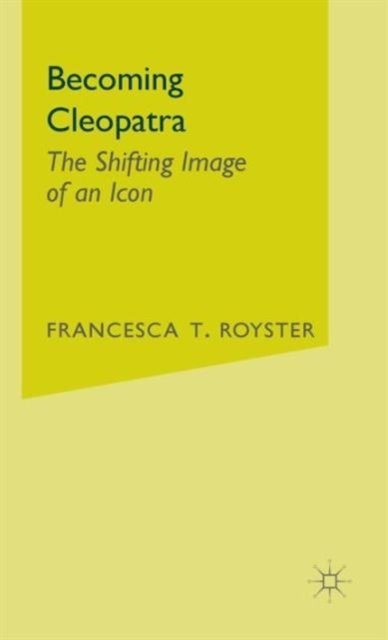
Becoming Cleopatra
Av F. Royster, 2003.
The Shifting Image of an Icon
From Liz Taylor to Queen Latifah, a provocative examination of the afterlife of Cleopatra in popular culture
Språk: Engelsk
Normalpris: 1 349,-
1 214,-
Spar 135,-
Laveste pris siste 30 dager: 1 248,-
Ikke tilgjengelig for Klikk&Hent
Midlertidig tomt på lager
Bestillingsvare. Forventes sendt om ca 20 dager
Oppdag mer
Becoming Cleopatra
Av F. Royster, 2003.
The Shifting Image of an Icon
From Liz Taylor to Queen Latifah, a provocative examination of the afterlife of Cleopatra in popular culture
Oppdag mer
Normalpris: 1 349,-
1 214,-
Spar 135,-
Laveste pris siste 30 dager: 1 248,-
Språk: Engelsk
Ikke tilgjengelig for Klikk&Hent
Midlertidig tomt på lager
Bestillingsvare. Forventes sendt om ca 20 dager
1 214,-
Ved å fullføre kjøpet aksepterer du kjøpsvilkårene.