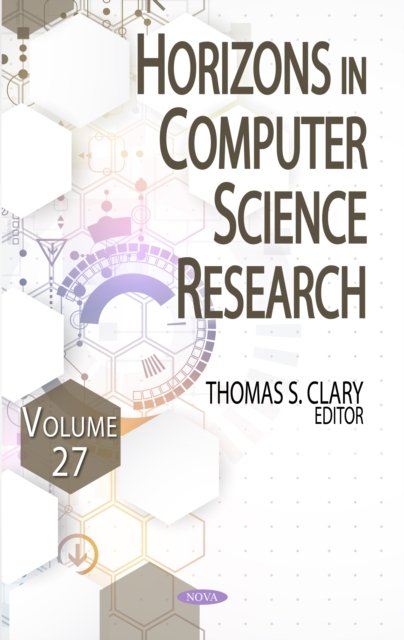
Horizons in Computer Science Research. Volume 27
Redigert av Thomas S. Clary, 2026.Del av serien Horizons in Computer Science.
This volume includes seven chapters that detail horizons in computer science research. Chapter 1 proposes a framework based on cable-based learning (CBL) that highlights the use of Large Language Models (LLMs). Chapter 2 introduces a heterogeneous stacking ensemble framework designed to improve both predictive performance and interpretability in poverty modelling using harmonized microdata from the IPUMS USA. Chapter 3 presents the mainstream architecture of mobile devices, introduces two traditional coercive adversary models: (1) the single-snapshot adversary and (2) the multi-snapshot adversary, and reviews PDE system designs that defend against these adversaries in mobile devices. Chapter 4 highlights a multidisciplinary and mutually beneficial approach towards developing better models both for understanding the human mind and for AI. Chapter 5 examines the intricate relationships among digital behaviour, ocular physiology, and environmental factors, highlighting the necessity for early intervention, public education, and collaborative approaches to mitigate the increasing prevalence of digital eye strain in contemporary society. Chapter 6 aims to assess the influence of Artificial Intelligence on various aspects of education, especially for teachers and students. Finally, Chapter 7 presents Aqua Vision, a machine learning-powered groundwater level prediction application designed to forecast subsurface water availability with high precision.
Ikke tilgjengelig for Klikk&Hent
Midlertidig tomt på lager
Bestillingsvare. Forventes sendt om ca 12 dager
Horizons in Computer Science Research. Volume 27
Redigert av Thomas S. Clary, 2026.Del av serien Horizons in Computer Science.
This volume includes seven chapters that detail horizons in computer science research. Chapter 1 proposes a framework based on cable-based learning (CBL) that highlights the use of Large Language Models (LLMs). Chapter 2 introduces a heterogeneous stacking ensemble framework designed to improve both predictive performance and interpretability in poverty modelling using harmonized microdata from the IPUMS USA. Chapter 3 presents the mainstream architecture of mobile devices, introduces two traditional coercive adversary models: (1) the single-snapshot adversary and (2) the multi-snapshot adversary, and reviews PDE system designs that defend against these adversaries in mobile devices. Chapter 4 highlights a multidisciplinary and mutually beneficial approach towards developing better models both for understanding the human mind and for AI. Chapter 5 examines the intricate relationships among digital behaviour, ocular physiology, and environmental factors, highlighting the necessity for early intervention, public education, and collaborative approaches to mitigate the increasing prevalence of digital eye strain in contemporary society. Chapter 6 aims to assess the influence of Artificial Intelligence on various aspects of education, especially for teachers and students. Finally, Chapter 7 presents Aqua Vision, a machine learning-powered groundwater level prediction application designed to forecast subsurface water availability with high precision.
Ikke tilgjengelig for Klikk&Hent
Midlertidig tomt på lager
Bestillingsvare. Forventes sendt om ca 12 dager
Ved å fullføre kjøpet aksepterer du kjøpsvilkårene.