Hopp til hovedinnholdet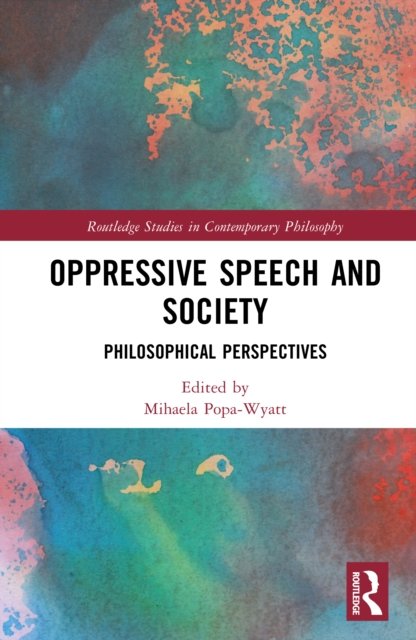
Oppressive Speech and Society
Redigert av Mihaela Popa-Wyatt, 2026.Del av serien Routledge Studies in Contemporary Philosophy.
Philosophical Perspectives
This volume offers theoretical frameworks for thinking about the relationship between oppressive speech and oppressive social structures. Central to the volume is the fact that oppressive speech doesn’t just harm the target during a conversation; it serves to establish and maintain oppressive norms and structures. This volume examines how linguistic acts can have adverse social effects. Additionally, it considers the linguistic and policy actions that can undo or prevent conversational and social harms. The chapters are divided into four thematic sections. Part 1 explains the nature of slurs. These chapters define their conceptual boundaries, forms, and linguistic patterns, as well as the mechanisms via which conversational harm is brought about. Part 2 considers how oppressive speech changes social norms, establishes oppressive norms, and how long-term harm and cumulative harm emerge. Finally, Part 3 explores immediate remedies that a speaker or hearer might take. Oppressive Speech and Society will appeal to scholars and advanced students working at the intersection of philosophy of language and social and political philosophy.
InnbundetEngelsk
Butikkpris: 2 129,-
1 998,-
Ikke tilgjengelig for Klikk&Hent
Forhåndsbestill
Forventes i salg 31.07.2026
Oppressive Speech and Society
Redigert av Mihaela Popa-Wyatt, 2026.Del av serien Routledge Studies in Contemporary Philosophy.
Philosophical Perspectives
This volume offers theoretical frameworks for thinking about the relationship between oppressive speech and oppressive social structures. Central to the volume is the fact that oppressive speech doesn’t just harm the target during a conversation; it serves to establish and maintain oppressive norms and structures. This volume examines how linguistic acts can have adverse social effects. Additionally, it considers the linguistic and policy actions that can undo or prevent conversational and social harms. The chapters are divided into four thematic sections. Part 1 explains the nature of slurs. These chapters define their conceptual boundaries, forms, and linguistic patterns, as well as the mechanisms via which conversational harm is brought about. Part 2 considers how oppressive speech changes social norms, establishes oppressive norms, and how long-term harm and cumulative harm emerge. Finally, Part 3 explores immediate remedies that a speaker or hearer might take. Oppressive Speech and Society will appeal to scholars and advanced students working at the intersection of philosophy of language and social and political philosophy.
Butikkpris: 2 129,-
1 998,-
InnbundetEngelsk
Ikke tilgjengelig for Klikk&Hent
Forhåndsbestill
Forventes i salg 31.07.2026
1 998,-
Ved å fullføre kjøpet aksepterer du kjøpsvilkårene.