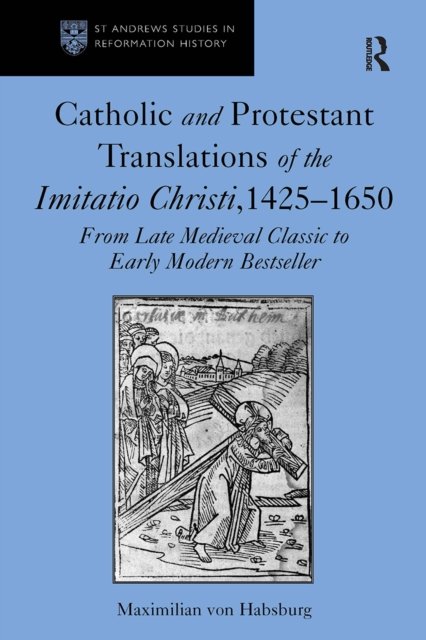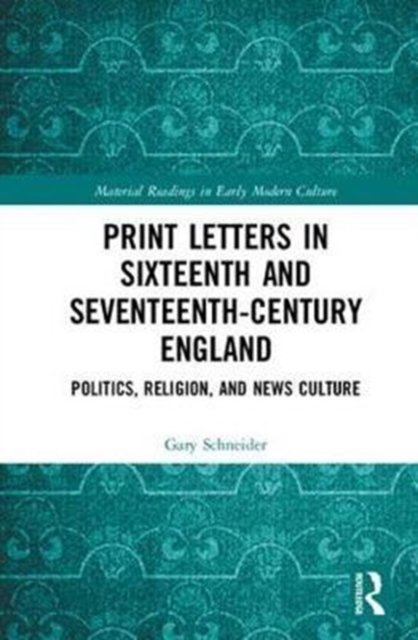
Print Letters in Seventeenth-Century England
Gary Schneider
InnbundetEngelsk
Del av serien Material Readings in Early Modern Culture
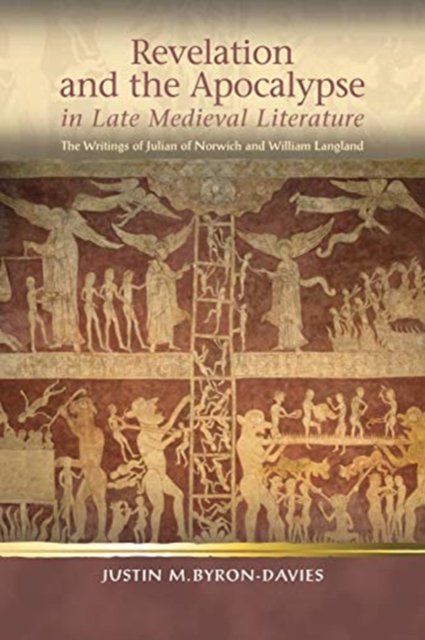
Av Justin Byron-Davies, 2020.
the Writings of Julian of Norwich and William Langland
This interdisciplinary book breaks new ground by systematically examining ways in which two of the most important works of late medieval English literature Julian of Norwichs Revelations of Love and William Langlands Piers Plowman arose from engagement with the biblical Apocalypse and exegetical writings. The study contends that the exegetical approach to the Apocalypse is more extensive in Julians Revelations and more sophisticated in Langlands Piers Plowman than previously thought, whether through a primary textual influence or a discernible Joachite influence. The author considers the implications of areas of confluence, which both writers reapply and emphasise such as spiritual warfare and other salient thematic elements of the Apocalypse, gender issues, and Julians explications of her vision of the soul as city of Christ and all believers (the fulcrum of her eschatologically-focused Aristotelian and Augustinian influenced pneumatology). The liberal soteriology implicit in Julians Parable of the Lord and the Servant is specifically explored in its Johannine and Scotistic Christological emphasis, the absent vision of hell, and the eschatological grete dede, vis-à-vis a possible critique of the prevalent hermeneutic.
Ikke tilgjengelig for Klikk&Hent
Midlertidig tomt på lager
Bestillingsvare. Forventes sendt om ca 11 dager
Av Justin Byron-Davies, 2020.
the Writings of Julian of Norwich and William Langland
This interdisciplinary book breaks new ground by systematically examining ways in which two of the most important works of late medieval English literature Julian of Norwichs Revelations of Love and William Langlands Piers Plowman arose from engagement with the biblical Apocalypse and exegetical writings. The study contends that the exegetical approach to the Apocalypse is more extensive in Julians Revelations and more sophisticated in Langlands Piers Plowman than previously thought, whether through a primary textual influence or a discernible Joachite influence. The author considers the implications of areas of confluence, which both writers reapply and emphasise such as spiritual warfare and other salient thematic elements of the Apocalypse, gender issues, and Julians explications of her vision of the soul as city of Christ and all believers (the fulcrum of her eschatologically-focused Aristotelian and Augustinian influenced pneumatology). The liberal soteriology implicit in Julians Parable of the Lord and the Servant is specifically explored in its Johannine and Scotistic Christological emphasis, the absent vision of hell, and the eschatological grete dede, vis-à-vis a possible critique of the prevalent hermeneutic.
Ikke tilgjengelig for Klikk&Hent
Midlertidig tomt på lager
Bestillingsvare. Forventes sendt om ca 11 dager
Ved å fullføre kjøpet aksepterer du kjøpsvilkårene.