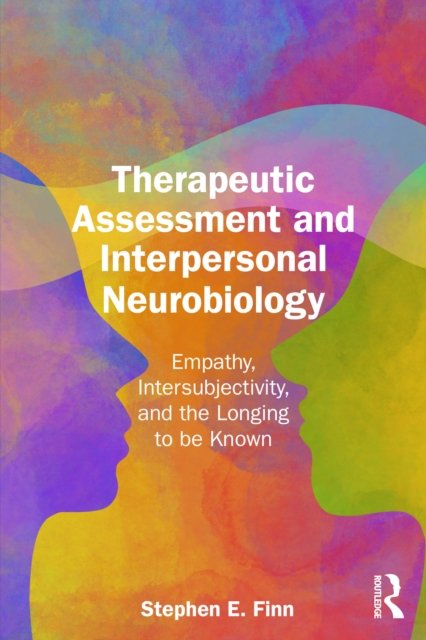
Therapeutic Assessment and Interpersonal Neurobiology
Av Stephen E. Finn, 2026.
Empathy, Intersubjectivity, and the Longing to be Known
Therapeutic Assessment and Interpersonal Neurobiology shows howcollaborative assessment can function as a potent therapeutic intervention—reducing shame, strengthening epistemic trust, and catalyzing meaningfulchange. Integrating research on affect regulation, memory reconsolidation, andintersubjectivity with richly detailed case examples, the book demonstrates howpsychological tests can be used not only to understand clients but to help themexperience themselves differently. The author highlights common traps thattherapists fall into and provides strategies for them to improve their practicalskills and enhance the course of treatment to transform clients’ lives. Thebook emphasizes the importance of client collaboration, secure attachment,mentalization, addressing shame, and epistemic trust during psychologicalinterventions. Bridging psychological assessment and modern psychotherapy,this volume provides assessment professionals and trainees with a rigorous,humane, and clinically actionable framework for using tests as instruments ofpsychological healing. As a sequel to his influential book, In Our Clients’ Shoes: Theory andTechniques of Therapeutic Assessment, the author offers a renewed andtransformative vision of psychological assessment grounded in contemporaryneuroscience, attachment theory, and decades of clinical practice. This is aninvaluable resource for psychologists, particularly those who use the MMPI-2,MMPI-3, Rorschach, AAP, and EMP.
Språk: Engelsk
Ikke tilgjengelig for Klikk&Hent
Forhåndsbestill
Forventes i salg 10.08.2026
Oppdag mer
Therapeutic Assessment and Interpersonal Neurobiology
Av Stephen E. Finn, 2026.
Empathy, Intersubjectivity, and the Longing to be Known
Therapeutic Assessment and Interpersonal Neurobiology shows howcollaborative assessment can function as a potent therapeutic intervention—reducing shame, strengthening epistemic trust, and catalyzing meaningfulchange. Integrating research on affect regulation, memory reconsolidation, andintersubjectivity with richly detailed case examples, the book demonstrates howpsychological tests can be used not only to understand clients but to help themexperience themselves differently. The author highlights common traps thattherapists fall into and provides strategies for them to improve their practicalskills and enhance the course of treatment to transform clients’ lives. Thebook emphasizes the importance of client collaboration, secure attachment,mentalization, addressing shame, and epistemic trust during psychologicalinterventions. Bridging psychological assessment and modern psychotherapy,this volume provides assessment professionals and trainees with a rigorous,humane, and clinically actionable framework for using tests as instruments ofpsychological healing. As a sequel to his influential book, In Our Clients’ Shoes: Theory andTechniques of Therapeutic Assessment, the author offers a renewed andtransformative vision of psychological assessment grounded in contemporaryneuroscience, attachment theory, and decades of clinical practice. This is aninvaluable resource for psychologists, particularly those who use the MMPI-2,MMPI-3, Rorschach, AAP, and EMP.
Oppdag mer
Språk: Engelsk
Ikke tilgjengelig for Klikk&Hent
Forhåndsbestill
Forventes i salg 10.08.2026
Ved å fullføre kjøpet aksepterer du kjøpsvilkårene.