Apocrypha
Av Kasra Jalilipour, 2026.
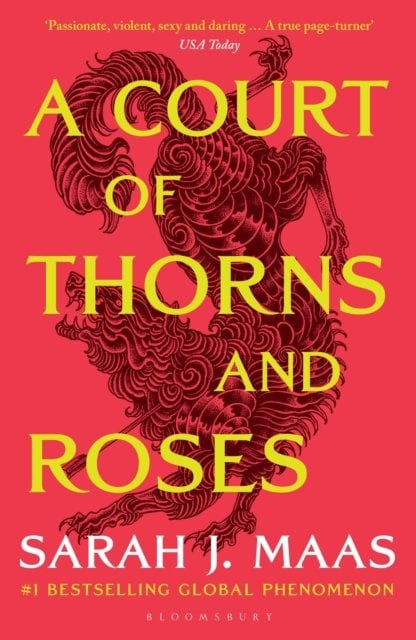
"Kasra Jalilipour’s Apocrypha brings together trans masculine saints, Jinns and lesbian cockroaches in these three performance texts. Subverting Iranian folk tales and early Catholic iconographies, Apocrypha alchemises tradition and the weight of history into a collection that is both revelatory and rich with resistance. ‘Here we have saints for the saintless. Bemuscled archetypes creeping up our storylines all the way from antiquity to better stalk our fantasies, and continue their trade in classic barstool-wisdom as they do so. Holding court and telling tall tales. And in Apocrypha, Jalilipour’s gallery of ancient gods, lost girls and cockroaches remind us that these fantasies are the same as they ever were—simply the devastating need to know that we are okay and are allowed to exist.’– Carle Gent, author of The Balls of Alban‘The brute paucity of Jalilipour’s writing in Apocrypha (part fairytale, part myth, part erotica) is a thrill to behold. Jalilipour cracks open the strange and poetic worlds of Christian sainthood and Iranian folklore, electrifying their queer and feminist presences to stunning effect. It’s sexy in a scary way and scary in a sexy way. These tales pulse with life, reminding us that “freedom is not to be taken for granted: it is a constant struggle, something to fight for, something to demand. Never a gift.” Apocrypha cuts to the quick, and leaves a scar. I’d follow Jalilipour into this hall of mirrors, trans saints, wet knives all over again.’– D Mortimer, author of Speed Glum Hero‘Violent, sexy, and (ir)religious, Kasra Jalilipour’s Apocrypha, a polyvocal homage to and reimagining of three Christian Virgin Martyrs through a modern trans-masculine rubric, is in turns sharply satirical and deeply heartfelt. The supernatural figure of the Jinn is repurposed for a scary but hot story of burgeoning lesbian desire and female homosociality, while a poetic rereading of an Iranian children’s tale reveals the impossibility of heterosexuality in the face of male violence. If you like work about resistance, faith, torture, and queer desires, you’ll love this.’– Ray Filar"
Språk: Engelsk
Oppdag mer
Apocrypha
Av Kasra Jalilipour, 2026.
"Kasra Jalilipour’s Apocrypha brings together trans masculine saints, Jinns and lesbian cockroaches in these three performance texts. Subverting Iranian folk tales and early Catholic iconographies, Apocrypha alchemises tradition and the weight of history into a collection that is both revelatory and rich with resistance. ‘Here we have saints for the saintless. Bemuscled archetypes creeping up our storylines all the way from antiquity to better stalk our fantasies, and continue their trade in classic barstool-wisdom as they do so. Holding court and telling tall tales. And in Apocrypha, Jalilipour’s gallery of ancient gods, lost girls and cockroaches remind us that these fantasies are the same as they ever were—simply the devastating need to know that we are okay and are allowed to exist.’– Carle Gent, author of The Balls of Alban‘The brute paucity of Jalilipour’s writing in Apocrypha (part fairytale, part myth, part erotica) is a thrill to behold. Jalilipour cracks open the strange and poetic worlds of Christian sainthood and Iranian folklore, electrifying their queer and feminist presences to stunning effect. It’s sexy in a scary way and scary in a sexy way. These tales pulse with life, reminding us that “freedom is not to be taken for granted: it is a constant struggle, something to fight for, something to demand. Never a gift.” Apocrypha cuts to the quick, and leaves a scar. I’d follow Jalilipour into this hall of mirrors, trans saints, wet knives all over again.’– D Mortimer, author of Speed Glum Hero‘Violent, sexy, and (ir)religious, Kasra Jalilipour’s Apocrypha, a polyvocal homage to and reimagining of three Christian Virgin Martyrs through a modern trans-masculine rubric, is in turns sharply satirical and deeply heartfelt. The supernatural figure of the Jinn is repurposed for a scary but hot story of burgeoning lesbian desire and female homosociality, while a poetic rereading of an Iranian children’s tale reveals the impossibility of heterosexuality in the face of male violence. If you like work about resistance, faith, torture, and queer desires, you’ll love this.’– Ray Filar"
Oppdag mer
Språk: Engelsk
Ved å fullføre kjøpet aksepterer du kjøpsvilkårene.