Pensum -10%
The Habitable City in China
Toby Lincoln, Xu Tao
InnbundetEngelsk
Del av serien Politics and Development of Contemporary China
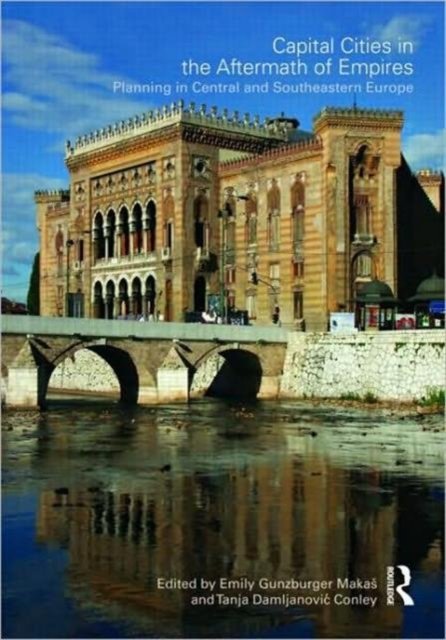
Redigert av Emily Gunzburger Makas, Tanja Damljanovic Conley, 2009.Del av serien Planning, History and Environment Series.
Planning in Central and Southeastern Europe
This book explores the planning and architectural histories of the cities across Central and Southeastern Europe transformed into the cultural and political capitals of the new nationstates created in the late nineteenth and early twentieth centuries. In their introduction, editors Makaš and Conley discuss the interrelated processes of nationalization, modernization, and Europeanization in the region at that time, with special attention paid to the way architectural and urban models from Western and Central Europe were adapted to fit the varying local physical and political contexts.
Individual studies provide summaries of proposed and realized projects in fourteen cities.Each addresses the political and ideological aspects of the city’s urban history, including the idea of becoming a cultural and/or political capital as well as the relationship between national and urban development. The concluding chapter builds on the introductory argument about how the search for national identity combined with the pursuit of modernization and desire to be more European drove the development of these cities in the aftermath of empires.
Ikke tilgjengelig for Klikk&Hent
Midlertidig tomt på lager
Bestillingsvare. Forventes sendt om ca 10 dager
Redigert av Emily Gunzburger Makas, Tanja Damljanovic Conley, 2009.Del av serien Planning, History and Environment Series.
Planning in Central and Southeastern Europe
This book explores the planning and architectural histories of the cities across Central and Southeastern Europe transformed into the cultural and political capitals of the new nationstates created in the late nineteenth and early twentieth centuries. In their introduction, editors Makaš and Conley discuss the interrelated processes of nationalization, modernization, and Europeanization in the region at that time, with special attention paid to the way architectural and urban models from Western and Central Europe were adapted to fit the varying local physical and political contexts.
Individual studies provide summaries of proposed and realized projects in fourteen cities.Each addresses the political and ideological aspects of the city’s urban history, including the idea of becoming a cultural and/or political capital as well as the relationship between national and urban development. The concluding chapter builds on the introductory argument about how the search for national identity combined with the pursuit of modernization and desire to be more European drove the development of these cities in the aftermath of empires.
Ikke tilgjengelig for Klikk&Hent
Midlertidig tomt på lager
Bestillingsvare. Forventes sendt om ca 10 dager
Ved å fullføre kjøpet aksepterer du kjøpsvilkårene.


Remaking the San Francisco-Oakland Bay Bridge
2 129,-
Supergrid and Superblock
1 048,-
Riyadh
1 299,-
Being Urban
1 299,-
Council Housing and Culture
2 329,-
Twentieth-century Suburbs
1 929,-
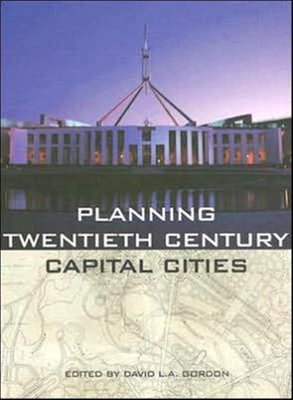
Planning Twentieth Century Capital Cities
2 599,-
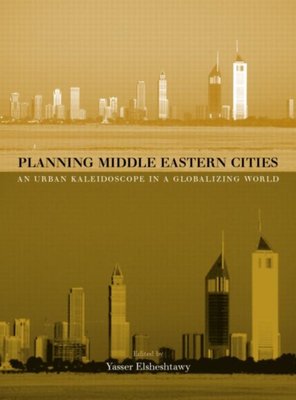
Planning Middle Eastern Cities
2 269,-

The Making and Selling of Post-Mao Beijing
2 129,-
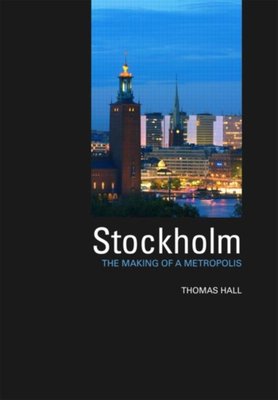
Stockholm
2 129,-
Remaking the San Francisco-Oakland Bay Bridge
2 129,-
Supergrid and Superblock
1 048,-
Riyadh
1 299,-
Being Urban
1 299,-
Council Housing and Culture
2 329,-
Twentieth-century Suburbs
1 929,-
Planning Twentieth Century Capital Cities
2 599,-
Planning Middle Eastern Cities
2 269,-
The Making and Selling of Post-Mao Beijing
2 129,-
Stockholm
2 129,-