Pensum -10%
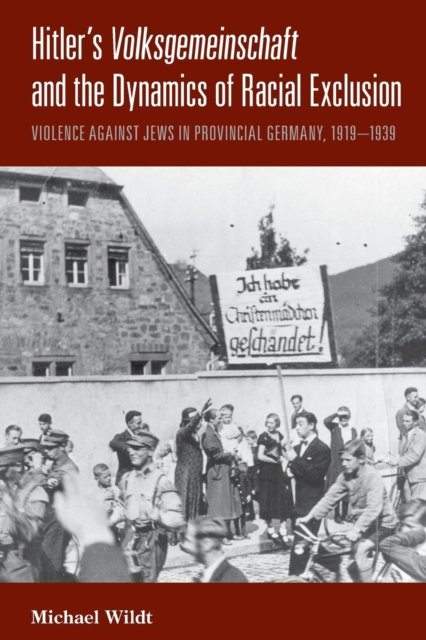
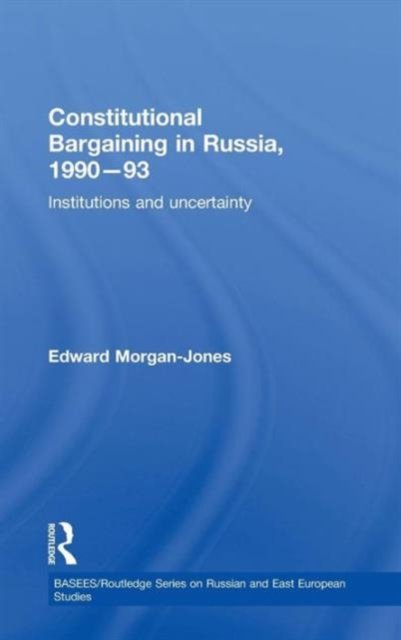
Av Edward Morgan-Jones, 2010.Del av serien BASEES/Routledge Series on Russian and East European Studies.
Institutions and Uncertainty
The years 1990-93 were a critical moment in Russia’s political development. This book provides a systematic explanation of outcomes of constitutional bargaining processes in Russia, which radically reshaped the institutions of the Russian state: removing Russia from constitutional subordination to the Soviet Union in 1990; creating a presidency and a constitutional court in 1991; and restructuring the relationship between the central state and its component federal units with the passage of three Federal Treaties in 1992. The book explores the reasons for these outcomes and identifies why there were consistent delays to the passage of a new Russian constitution as well as why negotiations eventually broke down.
The book assesses the plausibility of different theoretical approaches to constitutional choice and argues that the role of uncertainty (and politician's strategic responses to uncertainty) in shaping constitutional outcomes has been under-explored by rational choices approaches to constitutional bargaining. Using a rich set of source materials - including roll call votes, parliamentary records, unpublished parliamentary and constitution commission documents, Russian newspapers - the book provides a detailed study of Russian politician's decision making about constitutional choices. It is a valuable resource to those interested in Russia and post-communist politics, the origins of political institutions, comparative government, democratisation and development studies.
Språk: Engelsk
Ikke tilgjengelig for Klikk&Hent
Midlertidig tomt på lager
Bestillingsvare. Forventes sendt om ca 10 dager
Av Edward Morgan-Jones, 2010.Del av serien BASEES/Routledge Series on Russian and East European Studies.
Institutions and Uncertainty
The years 1990-93 were a critical moment in Russia’s political development. This book provides a systematic explanation of outcomes of constitutional bargaining processes in Russia, which radically reshaped the institutions of the Russian state: removing Russia from constitutional subordination to the Soviet Union in 1990; creating a presidency and a constitutional court in 1991; and restructuring the relationship between the central state and its component federal units with the passage of three Federal Treaties in 1992. The book explores the reasons for these outcomes and identifies why there were consistent delays to the passage of a new Russian constitution as well as why negotiations eventually broke down.
The book assesses the plausibility of different theoretical approaches to constitutional choice and argues that the role of uncertainty (and politician's strategic responses to uncertainty) in shaping constitutional outcomes has been under-explored by rational choices approaches to constitutional bargaining. Using a rich set of source materials - including roll call votes, parliamentary records, unpublished parliamentary and constitution commission documents, Russian newspapers - the book provides a detailed study of Russian politician's decision making about constitutional choices. It is a valuable resource to those interested in Russia and post-communist politics, the origins of political institutions, comparative government, democratisation and development studies.
Språk: Engelsk
Ikke tilgjengelig for Klikk&Hent
Midlertidig tomt på lager
Bestillingsvare. Forventes sendt om ca 10 dager
Ved å fullføre kjøpet aksepterer du kjøpsvilkårene.

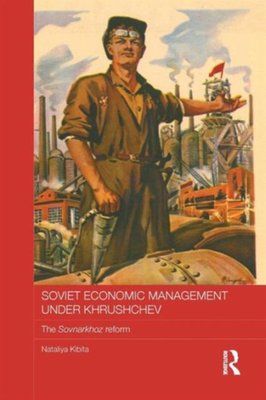
Soviet Economic Management Under Khrushchev
669,-
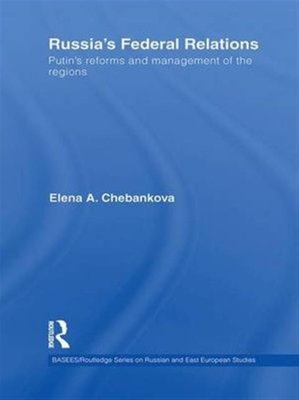
Russia''s Federal Relations
679,-
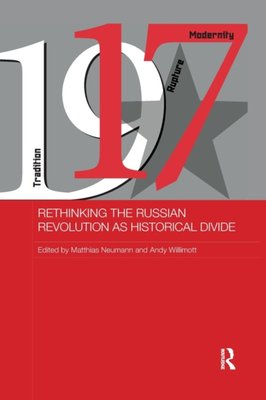
Rethinking the Russian Revolution As Historical Divide
649,-
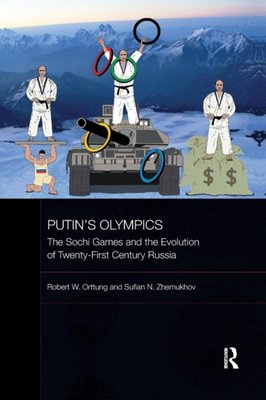
Putin''s Olympics
749,-
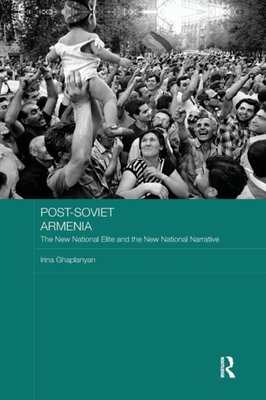
Post-Soviet Armenia
679,-
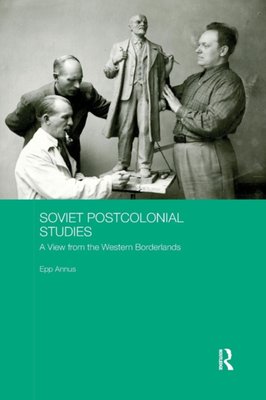
Soviet Postcolonial Studies
749,-
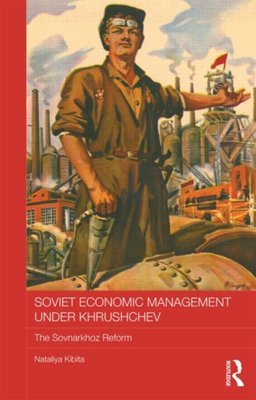
Soviet Economic Management Under Khrushchev
2 199,-
Politicising the Communist Past
649,-
Ideology and Social Protests in Eastern Europe
649,-
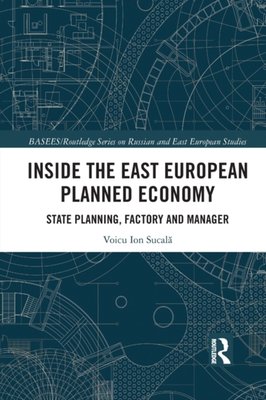
Inside the East European Planned Economy
649,-
Soviet Economic Management Under Khrushchev
669,-
Russia''s Federal Relations
679,-
Rethinking the Russian Revolution As Historical Divide
649,-
Putin''s Olympics
749,-
Post-Soviet Armenia
679,-
Soviet Postcolonial Studies
749,-
Soviet Economic Management Under Khrushchev
2 199,-
Politicising the Communist Past
649,-
Ideology and Social Protests in Eastern Europe
649,-
Inside the East European Planned Economy
649,-