Pensum -10%

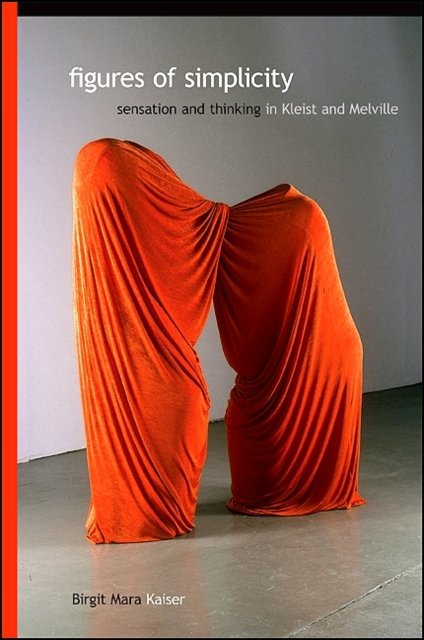
Av Birgit M. Kaiser, 2012.Del av serien SUNY series, Intersections: Philosophy and Critical Theory.
Sensation and Thinking in Kleist and Melville
A fascinating comparison of the work of Heinrich von Kleist and Herman Melville.
Figures of Simplicity explores a unique constellation of figures from philosophy and literature-Heinrich von Kleist, Herman Melville, G. W. Leibniz, and Alexander Baumgarten-in an attempt to recover alternative conceptions of aesthetics and dimensions of thinking lost in the disciplinary narration of aesthetics after Kant. This is done primarily by tracing a variety of "simpletons" that populate the writings of Kleist and Melville. These figures are not entirely ignorant, or stupid, but simple. Their simplicity is a way of thinking; one that author Birgit Mara Kaiser here suggests is affective thinking. Kaiser avers that Kleist and Melville are experimenting in their texts with an affective mode of thinking, and thereby continue, she argues, a key line within eighteenth-century aesthetics: the relation of rationality and sensibility. Through her analyses, she offers an outline of what thinking can look like if we take affectivity into account.
Ikke tilgjengelig for Klikk&Hent
Midlertidig tomt på lager
Bestillingsvare. Forventes sendt om ca 9 dager
Av Birgit M. Kaiser, 2012.Del av serien SUNY series, Intersections: Philosophy and Critical Theory.
Sensation and Thinking in Kleist and Melville
A fascinating comparison of the work of Heinrich von Kleist and Herman Melville.
Figures of Simplicity explores a unique constellation of figures from philosophy and literature-Heinrich von Kleist, Herman Melville, G. W. Leibniz, and Alexander Baumgarten-in an attempt to recover alternative conceptions of aesthetics and dimensions of thinking lost in the disciplinary narration of aesthetics after Kant. This is done primarily by tracing a variety of "simpletons" that populate the writings of Kleist and Melville. These figures are not entirely ignorant, or stupid, but simple. Their simplicity is a way of thinking; one that author Birgit Mara Kaiser here suggests is affective thinking. Kaiser avers that Kleist and Melville are experimenting in their texts with an affective mode of thinking, and thereby continue, she argues, a key line within eighteenth-century aesthetics: the relation of rationality and sensibility. Through her analyses, she offers an outline of what thinking can look like if we take affectivity into account.
Ikke tilgjengelig for Klikk&Hent
Midlertidig tomt på lager
Bestillingsvare. Forventes sendt om ca 9 dager
Ved å fullføre kjøpet aksepterer du kjøpsvilkårene.











Of the Sublime
332,-

Tears
332,-
Transforming the Hermeneutic Context
359,-
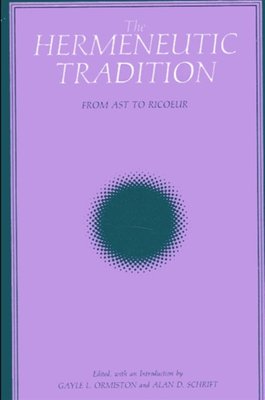
The Hermeneutic Tradition
350,-
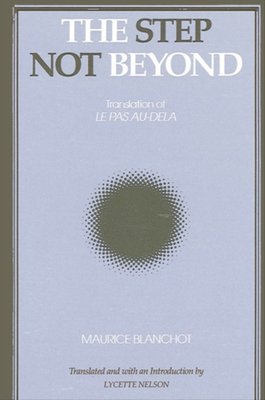
The Step Not Beyond
332,-

Interruptions
305,-
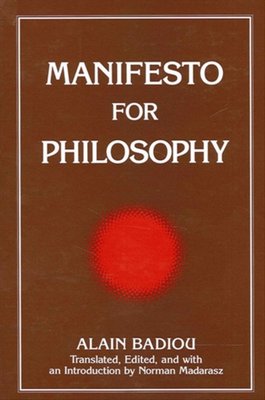
Manifesto for Philosophy
323,-

The Philosophical Foundations of Early German Romanticism
332,-
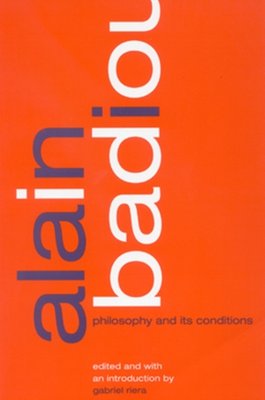
Alain Badiou
332,-

Twentieth-Century Literary Theory
377,-
Of the Sublime
332,-
Tears
332,-
Transforming the Hermeneutic Context
359,-
The Hermeneutic Tradition
350,-
The Step Not Beyond
332,-
Interruptions
305,-
Manifesto for Philosophy
323,-
The Philosophical Foundations of Early German Romanticism
332,-
Alain Badiou
332,-
Twentieth-Century Literary Theory
377,-