Pensum -10%
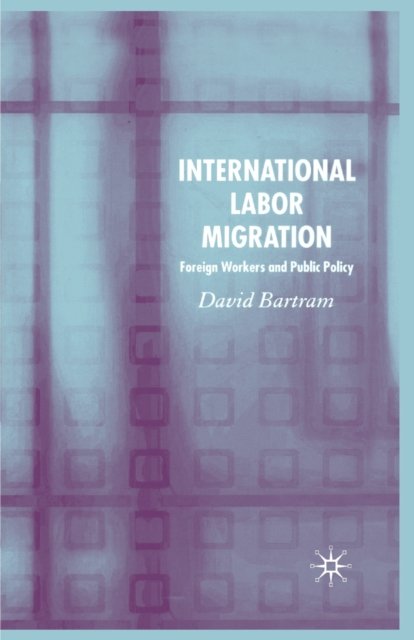
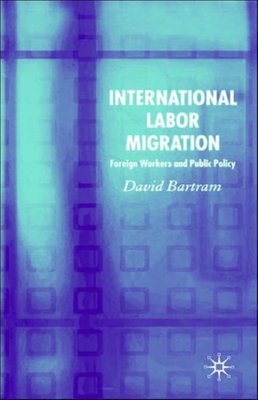
Av D. Bartram, 2005.
Foreign Workers and Public Policy
Studies of international labour migration typically assume that foreign labour is a universal feature of wealthy economies. Exploitation of foreign workers can contribute significantly to employers' profits. However, some wealthy societies do not import workers on a large scale, despite employers' pressures. Using Israel and Japan as empirical cases, this comparative-historical work investigates why some governments allow employers relatively free access to foreign labour, while others require alternative responses to labour shortages. A focus on variation leads to an innovative and insightful argument to explain international labour migration.
Ikke tilgjengelig for Klikk&Hent
Midlertidig tomt på lager
Bestillingsvare. Forventes sendt om ca 20 dager
Av D. Bartram, 2005.
Foreign Workers and Public Policy
Studies of international labour migration typically assume that foreign labour is a universal feature of wealthy economies. Exploitation of foreign workers can contribute significantly to employers' profits. However, some wealthy societies do not import workers on a large scale, despite employers' pressures. Using Israel and Japan as empirical cases, this comparative-historical work investigates why some governments allow employers relatively free access to foreign labour, while others require alternative responses to labour shortages. A focus on variation leads to an innovative and insightful argument to explain international labour migration.
Ikke tilgjengelig for Klikk&Hent
Midlertidig tomt på lager
Bestillingsvare. Forventes sendt om ca 20 dager
Ved å fullføre kjøpet aksepterer du kjøpsvilkårene.