Hopp til hovedinnholdet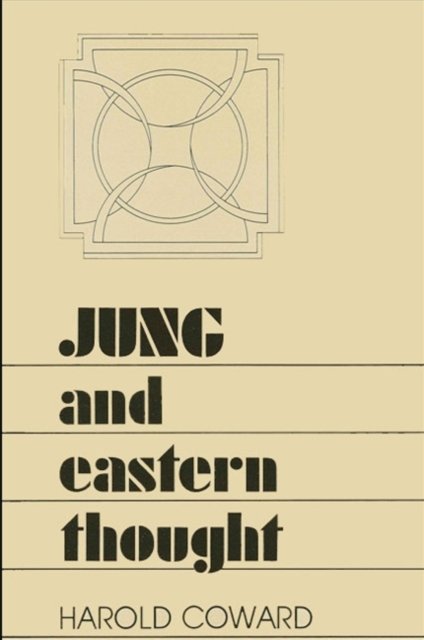
Jung and Eastern Thought
Av Harold Coward, 1985.Del av serien SUNY series in Transpersonal and Humanistic Psychology.
Jung and Eastern Thought is an assessment of the impact of the East on Jung's life and teaching. Along with the strong and continuing interest in the psychology of Carl Jung is a growing awareness of the extent to which Eastern thought, especially Indian ideas, influenced his thinking. This book identifies those influences that he found useful and those he rejected.
In Hindu, Buddhist, and Taoist cultures, yoga is a central conception and practice. Jung was at once fascinated and critical of yoga. Part I of the book examines Jung's encounter with yoga and his strong warning against the uncritical adoption of yoga by the modern West. In Part II Jung's love/hate relationship with Eastern thought is examined in light of his attitude toward karma and rebirth, Kundalini yoga, mysticism, and Patanjali's Yoga Sutras.
Coward's observations are rounded out by contributions from J. Borelli and J. Jordens. Dr. Borelli's Annotated Bibliography is an invaluable contribution to bibliographic material on Jung, yoga, and Eastern religion. A special feature is the Introduction by Joseph Henderson, Jung's most senior North American student and one of the few Jungians to have recognized the important influence of the East on Jung's thinking.
PocketEngelsk
Normalpris: 369,-
332,-
Spar 37,-
Ikke tilgjengelig for Klikk&Hent
Midlertidig tomt på lager
Bestillingsvare. Forventes sendt om ca 9 dager
Jung and Eastern Thought
Av Harold Coward, 1985.Del av serien SUNY series in Transpersonal and Humanistic Psychology.
Jung and Eastern Thought is an assessment of the impact of the East on Jung's life and teaching. Along with the strong and continuing interest in the psychology of Carl Jung is a growing awareness of the extent to which Eastern thought, especially Indian ideas, influenced his thinking. This book identifies those influences that he found useful and those he rejected.
In Hindu, Buddhist, and Taoist cultures, yoga is a central conception and practice. Jung was at once fascinated and critical of yoga. Part I of the book examines Jung's encounter with yoga and his strong warning against the uncritical adoption of yoga by the modern West. In Part II Jung's love/hate relationship with Eastern thought is examined in light of his attitude toward karma and rebirth, Kundalini yoga, mysticism, and Patanjali's Yoga Sutras.
Coward's observations are rounded out by contributions from J. Borelli and J. Jordens. Dr. Borelli's Annotated Bibliography is an invaluable contribution to bibliographic material on Jung, yoga, and Eastern religion. A special feature is the Introduction by Joseph Henderson, Jung's most senior North American student and one of the few Jungians to have recognized the important influence of the East on Jung's thinking.
Normalpris: 369,-
332,-
Spar 37,-
PocketEngelsk
Ikke tilgjengelig for Klikk&Hent
Midlertidig tomt på lager
Bestillingsvare. Forventes sendt om ca 9 dager
332,-
Ved å fullføre kjøpet aksepterer du kjøpsvilkårene.