Pensum -10%

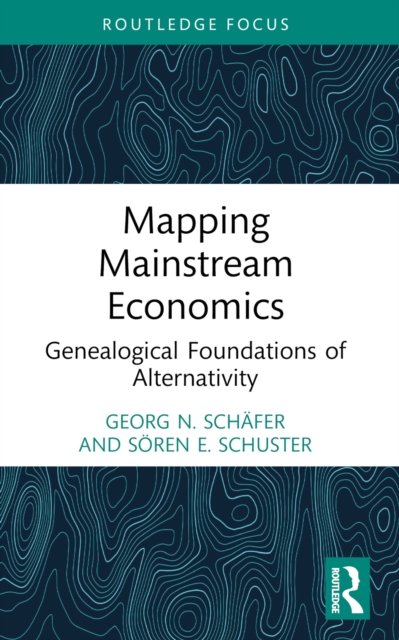
Av Georg N. Schäfer, Sören E. Schuster, 2024.Del av serien Economics and Humanities.
Genealogical Foundations of Alternativity
Mapping Mainstream Economics: Genealogical Foundations of Alternativity seeks to establish a definition of the mainstream, and by extension the alternatives to it, by adopting a genealogical approach: tracing the methodological development of the economic mainstream through its ancestry.
Språk: Engelsk
Ikke tilgjengelig for Klikk&Hent
Midlertidig tomt på lager
Bestillingsvare. Forventes sendt om ca 10 dager
Av Georg N. Schäfer, Sören E. Schuster, 2024.Del av serien Economics and Humanities.
Genealogical Foundations of Alternativity
Mapping Mainstream Economics: Genealogical Foundations of Alternativity seeks to establish a definition of the mainstream, and by extension the alternatives to it, by adopting a genealogical approach: tracing the methodological development of the economic mainstream through its ancestry.
Språk: Engelsk
Ikke tilgjengelig for Klikk&Hent
Midlertidig tomt på lager
Bestillingsvare. Forventes sendt om ca 10 dager
Ved å fullføre kjøpet aksepterer du kjøpsvilkårene.


The Ethics of Economic Responsibility
349,-

Philosophy of Economics
569,-

The Economics of Values, Ideals and Organizations
349,-

Capital in the History of Accounting and Economic Thought
528,-

Economics, Accounting and the True Nature of Capitalism
569,-

The Ethics of Economic Responsibility
749,-

Humanitarian Ecological Economics and Accounting
309,-

Philosophy of Economics
2 129,-

Economy and Theology
349,-

Transformation, Agency and the Economy
298,-
The Ethics of Economic Responsibility
349,-
Philosophy of Economics
569,-
The Economics of Values, Ideals and Organizations
349,-
Capital in the History of Accounting and Economic Thought
528,-
Economics, Accounting and the True Nature of Capitalism
569,-
The Ethics of Economic Responsibility
749,-
Humanitarian Ecological Economics and Accounting
309,-
Philosophy of Economics
2 129,-
Economy and Theology
349,-
Transformation, Agency and the Economy
298,-