
Hopp til hovedinnholdet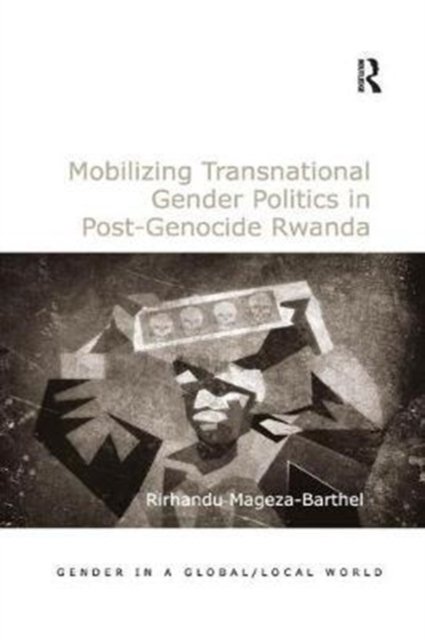
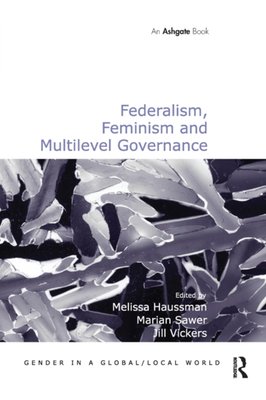
Mobilizing Transnational Gender Politics in Post-genocide Rwanda
Av Rirhandu Mageza-Barthel, 2017.Del av serien Gender in a Global/Local World.
Mageza-Barthel provides a context sensitive analysis of how Rwanda's women's movement used the United Nations (UN) gender norms in its efforts to insert gender-specific demands in the post-genocide period. The overall goal of these women - and their supporters - has been to further gender equality and equity in Rwanda. This study details which political processes could be engendered. It further illustrates why certain gender norms were adopted and adapted, whereas others were not. The study addresses issues of global governance in gender politics through such international frameworks as CEDAW, the Beijing Declaration and Platform for Action, as well as Resolution 1325. These instruments have been brought forth by a transnational women?s movement to benefit women and women?s rights across the globe. It shows how these gender norms were introduced, adapted and contested locally at a crucial time of the transformation process underway. Concerned with the interplay of domestic and international politics, it also alludes to the unique circumstances in Rwanda that have led to unprecedented levels of women?s political representation. Which tools have been the most significant in women?s mobilisation and how these relate to precedents set within international relations is of interest to a wide community of scholars and policy-makers alike.
PocketEngelsk
749,-
Ikke tilgjengelig for Klikk&Hent
Midlertidig tomt på lager
Bestillingsvare. Forventes sendt om ca 10 dager
Mobilizing Transnational Gender Politics in Post-genocide Rwanda
Av Rirhandu Mageza-Barthel, 2017.Del av serien Gender in a Global/Local World.
Mageza-Barthel provides a context sensitive analysis of how Rwanda's women's movement used the United Nations (UN) gender norms in its efforts to insert gender-specific demands in the post-genocide period. The overall goal of these women - and their supporters - has been to further gender equality and equity in Rwanda. This study details which political processes could be engendered. It further illustrates why certain gender norms were adopted and adapted, whereas others were not. The study addresses issues of global governance in gender politics through such international frameworks as CEDAW, the Beijing Declaration and Platform for Action, as well as Resolution 1325. These instruments have been brought forth by a transnational women?s movement to benefit women and women?s rights across the globe. It shows how these gender norms were introduced, adapted and contested locally at a crucial time of the transformation process underway. Concerned with the interplay of domestic and international politics, it also alludes to the unique circumstances in Rwanda that have led to unprecedented levels of women?s political representation. Which tools have been the most significant in women?s mobilisation and how these relate to precedents set within international relations is of interest to a wide community of scholars and policy-makers alike.
749,-
PocketEngelsk
Ikke tilgjengelig for Klikk&Hent
Midlertidig tomt på lager
Bestillingsvare. Forventes sendt om ca 10 dager
749,-
Ved å fullføre kjøpet aksepterer du kjøpsvilkårene.