Pensum -10%
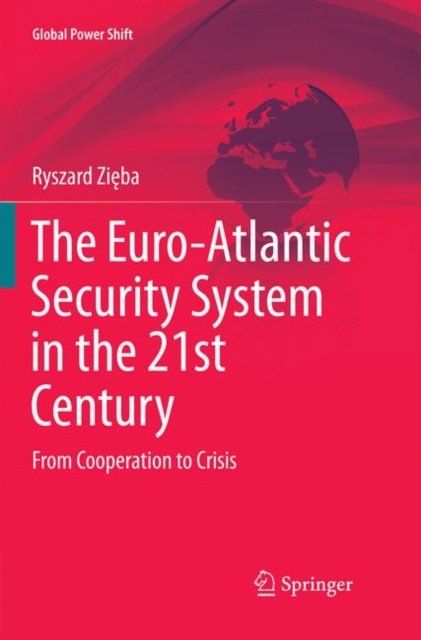
The Euro-Atlantic Security System in the 21st Century
Ryszard Zieba
PocketEngelsk
Del av serien Global Power Shift
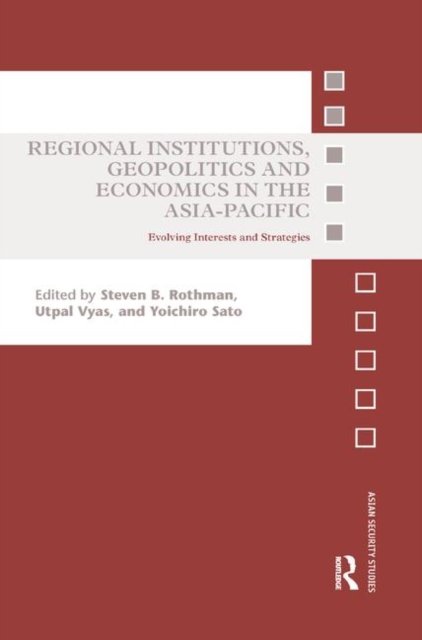
Redigert av Steven B. Rothman, Utpal Vyas, Yoichiro Sato, 2019.Del av serien Asian Security Studies.
Evolving Interests and Strategies
This volume discusses the relationship between economics, geopolitics and regional institutional growth and development in the Asia-Pacific region.
How do states (re)define their relationships amid the current global power transition? How do rival actors influence the rules and formation of new institutions for their own benefit? What role will institutions take as independent actors in influencing and constraining the behavior of states? Institutional development in Asia is characterized by idiosyncratic and diverse motivations (both material and non-material), a variety of policy strategies (strategic and norm-based), and the looming question of China?s future depth of involvement as its economic position becomes more stable and its confidence in foreign affairs grows. The book reflects the broadening definition of Asia by examining multiple perspectives, including Japan, China, South Korea, the United States, Australia, India, Russia, and Taiwan. In addition to state actors, the contributors address several important regional institutions in development such as the ASEAN (+3, +6, and the East Asian Summit), the Asian Infrastructure Investment Bank (AIIB), the Asian Development Bank (ADB), existing security alliances, and other bilateral institutions. Ultimately, this volume describes the unique, slow, and diverse growth of a multitude of regional institutions, the complexities of generating cooperation, membership concerns, and competition between states and with existing institutions in the context of China?s increasing confidence and strength.
This book will be of much interest to students of Asian politics, regional security, international organizations, and foreign policy.
Språk: Engelsk
Ikke tilgjengelig for Klikk&Hent
Midlertidig tomt på lager
Bestillingsvare. Forventes sendt om ca 10 dager
Redigert av Steven B. Rothman, Utpal Vyas, Yoichiro Sato, 2019.Del av serien Asian Security Studies.
Evolving Interests and Strategies
This volume discusses the relationship between economics, geopolitics and regional institutional growth and development in the Asia-Pacific region.
How do states (re)define their relationships amid the current global power transition? How do rival actors influence the rules and formation of new institutions for their own benefit? What role will institutions take as independent actors in influencing and constraining the behavior of states? Institutional development in Asia is characterized by idiosyncratic and diverse motivations (both material and non-material), a variety of policy strategies (strategic and norm-based), and the looming question of China?s future depth of involvement as its economic position becomes more stable and its confidence in foreign affairs grows. The book reflects the broadening definition of Asia by examining multiple perspectives, including Japan, China, South Korea, the United States, Australia, India, Russia, and Taiwan. In addition to state actors, the contributors address several important regional institutions in development such as the ASEAN (+3, +6, and the East Asian Summit), the Asian Infrastructure Investment Bank (AIIB), the Asian Development Bank (ADB), existing security alliances, and other bilateral institutions. Ultimately, this volume describes the unique, slow, and diverse growth of a multitude of regional institutions, the complexities of generating cooperation, membership concerns, and competition between states and with existing institutions in the context of China?s increasing confidence and strength.
This book will be of much interest to students of Asian politics, regional security, international organizations, and foreign policy.
Språk: Engelsk
Ikke tilgjengelig for Klikk&Hent
Midlertidig tomt på lager
Bestillingsvare. Forventes sendt om ca 10 dager
Ved å fullføre kjøpet aksepterer du kjøpsvilkårene.

China, Europe and International Security
679,-
Chinese Strategic Culture and Foreign Policy Decision-Making
679,-
Chinese Foreign Relations With Weak Peripheral States
679,-
China, Europe and International Security
1 699,-
China and International Nuclear Weapons Proliferation
669,-
Explaining Contemporary Asian Military Modernization
569,-
US–China Foreign Relations
548,-
Reshaping the Chinese Military
669,-
Hizbut Tahrir Indonesia and Political Islam
669,-
Indonesia’s Foreign Policy and Grand Strategy in the 21st Century
669,-
China, Europe and International Security
679,-
Chinese Strategic Culture and Foreign Policy Decision-Making
679,-
Chinese Foreign Relations With Weak Peripheral States
679,-
China, Europe and International Security
1 699,-
China and International Nuclear Weapons Proliferation
669,-
Explaining Contemporary Asian Military Modernization
569,-
US–China Foreign Relations
548,-
Reshaping the Chinese Military
669,-
Hizbut Tahrir Indonesia and Political Islam
669,-
Indonesia’s Foreign Policy and Grand Strategy in the 21st Century
669,-