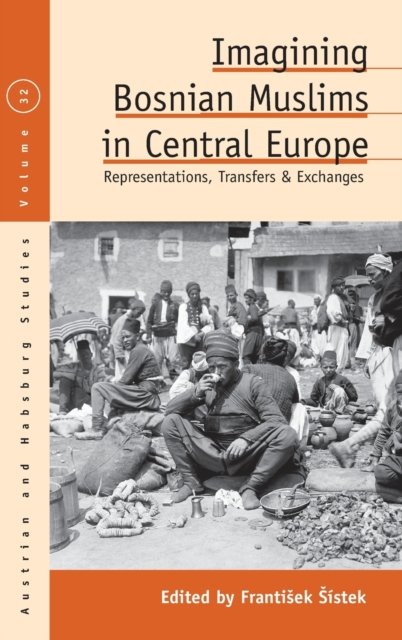
Imagining Bosnian Muslims in Central Europe
František Šístek
InnbundetEngelsk
Del av serien Austrian and Habsburg Studies
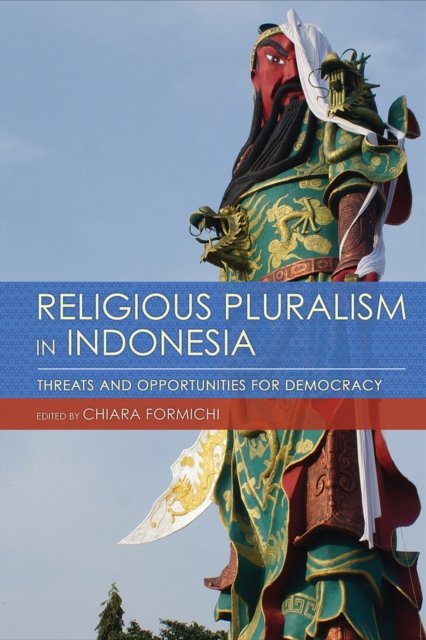
Redigert av Chiara Formichi, 2021.Del av serien Cornell Modern Indonesia Project.
Threats and Opportunities for Democracy
In 1945, Sukarno declared that the new Indonesian republic would be grounded on monotheism, while also insisting that the new nation would protect diverse religious practice. The essays in Religious Pluralism in Indonesia explore how the state, civil society groups, and individual Indonesians have experienced the attempted integration of minority and majority religious practices and faiths across the archipelagic state over the more than half century since Pancasila.
The chapters in Religious Pluralism in Indonesia offer analyses of contemporary phenomena and events; the changing legal and social status of certain minority groups; inter-faith relations; and the role of Islam in Indonesia's foreign policy. Amidst infringements of human rights, officially recognized minorities—Protestants, Catholics, Hindus, Buddhists and Confucians—have had occasional success advocating for their rights through the Pancasila framework. Others, from Ahmadi and Shi'i groups to atheists and followers of new religious groups, have been left without safeguards, demonstrating the weakness of Indonesia's institutionalized "pluralism."
Contributors: Lorraine Aragon, Christopher Duncan, Kikue Hamayotsu, Robert Hefner, James Hoesterey, Sidney Jones, Mona Lohanda, Michele Picard, Evi Sutrisno, Silvia Vignato
Språk: Engelsk
Ikke tilgjengelig for Klikk&Hent
Midlertidig tomt på lager
Bestillingsvare. Forventes sendt om ca 11 dager
Redigert av Chiara Formichi, 2021.Del av serien Cornell Modern Indonesia Project.
Threats and Opportunities for Democracy
In 1945, Sukarno declared that the new Indonesian republic would be grounded on monotheism, while also insisting that the new nation would protect diverse religious practice. The essays in Religious Pluralism in Indonesia explore how the state, civil society groups, and individual Indonesians have experienced the attempted integration of minority and majority religious practices and faiths across the archipelagic state over the more than half century since Pancasila.
The chapters in Religious Pluralism in Indonesia offer analyses of contemporary phenomena and events; the changing legal and social status of certain minority groups; inter-faith relations; and the role of Islam in Indonesia's foreign policy. Amidst infringements of human rights, officially recognized minorities—Protestants, Catholics, Hindus, Buddhists and Confucians—have had occasional success advocating for their rights through the Pancasila framework. Others, from Ahmadi and Shi'i groups to atheists and followers of new religious groups, have been left without safeguards, demonstrating the weakness of Indonesia's institutionalized "pluralism."
Contributors: Lorraine Aragon, Christopher Duncan, Kikue Hamayotsu, Robert Hefner, James Hoesterey, Sidney Jones, Mona Lohanda, Michele Picard, Evi Sutrisno, Silvia Vignato
Språk: Engelsk
Ikke tilgjengelig for Klikk&Hent
Midlertidig tomt på lager
Bestillingsvare. Forventes sendt om ca 11 dager
Ved å fullføre kjøpet aksepterer du kjøpsvilkårene.






Sounding Out the State of Indonesian Music
409,-
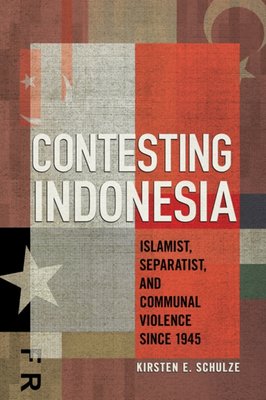
Contesting Indonesia
368,-
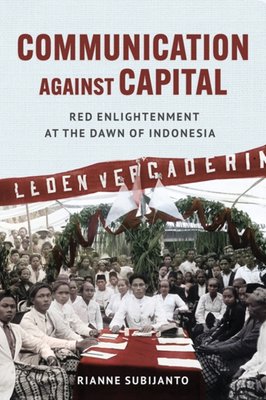
Communication Against Capital
359,-
Indigenous Dialectics
348,-
Indonesian Languages and Linguistics
378,-
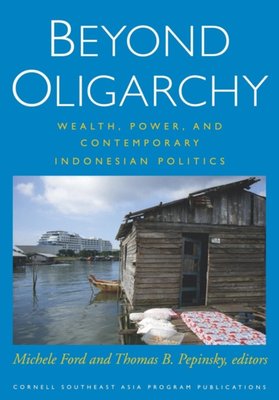
Beyond Oligarchy
1 439,-
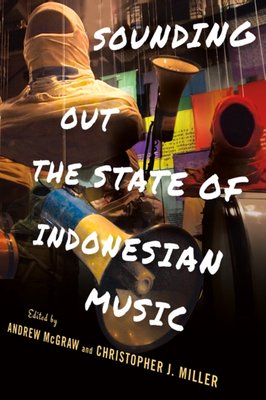
Sounding Out the State of Indonesian Music
1 389,-
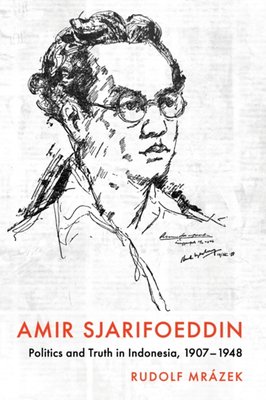
Amir Sjarifoeddin
1 418,-
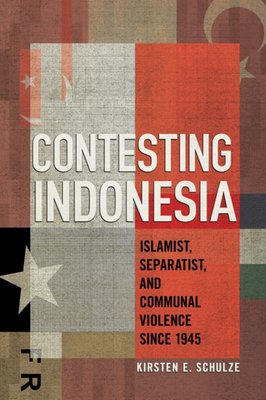
Contesting Indonesia
1 439,-
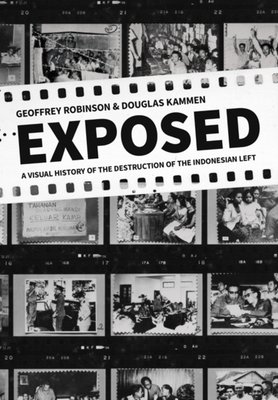
Exposed
584,-
Sounding Out the State of Indonesian Music
409,-
Contesting Indonesia
368,-
Communication Against Capital
359,-
Indigenous Dialectics
348,-
Indonesian Languages and Linguistics
378,-
Beyond Oligarchy
1 439,-
Sounding Out the State of Indonesian Music
1 389,-
Amir Sjarifoeddin
1 418,-
Contesting Indonesia
1 439,-
Exposed
584,-