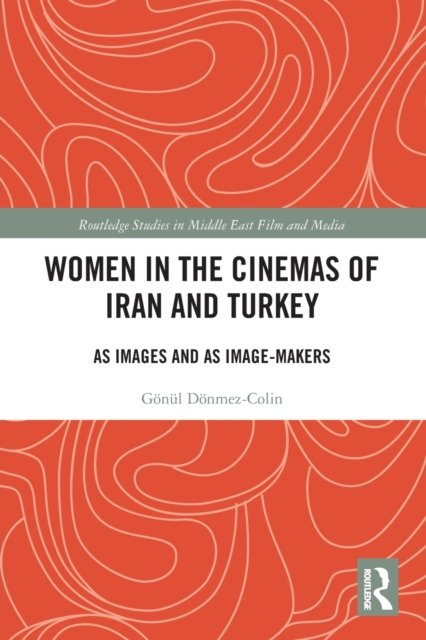
Women in the Cinemas of Iran and Turkey
Gonul Donmez-Colin
PocketEngelsk
Del av serien Routledge Studies in Middle East Film and Media
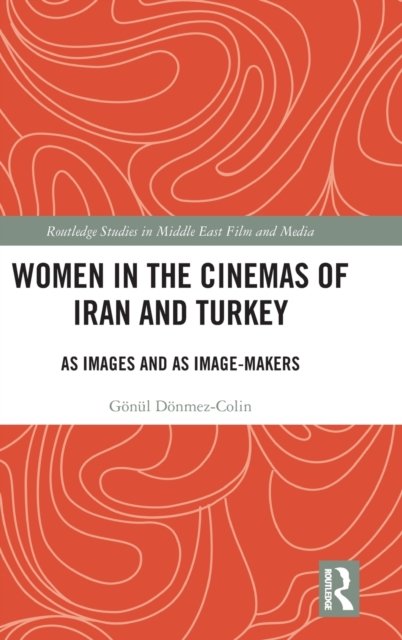
Av Gönül Dönmez-Colin, 2019.Del av serien Routledge Studies in Middle East Film and Media.
As Images and as Image-Makers
This volume compares the cinemas of Iran and Turkey in terms of the presence and absence of women on both sides of the camera. From a critical point of view, it provides detailed readings of works by both male and female film-makers, emphasising issues facing women's film-making.
Ikke tilgjengelig for Klikk&Hent
Midlertidig tomt på lager
Bestillingsvare. Forventes sendt om ca 10 dager
Av Gönül Dönmez-Colin, 2019.Del av serien Routledge Studies in Middle East Film and Media.
As Images and as Image-Makers
This volume compares the cinemas of Iran and Turkey in terms of the presence and absence of women on both sides of the camera. From a critical point of view, it provides detailed readings of works by both male and female film-makers, emphasising issues facing women's film-making.
Ikke tilgjengelig for Klikk&Hent
Midlertidig tomt på lager
Bestillingsvare. Forventes sendt om ca 10 dager
Ved å fullføre kjøpet aksepterer du kjøpsvilkårene.

Women in the Cinemas of Iran and Turkey
649,-

Israeli Television
2 129,-
Women and Turkish Cinema
2 199,-
Middle Eastern Television Drama
1 878,-
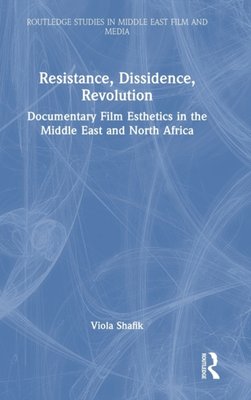
Resistance, Dissidence, Revolution
1 929,-

Contemporary Israeli Cinema
1 929,-
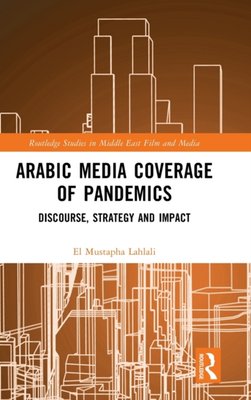
Arabic Media Coverage of Pandemics
1 999,-

Arabic Media and the Ukrainian Conflict
2 129,-
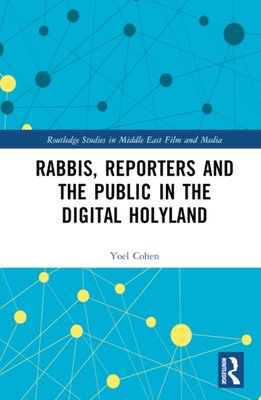
Rabbis, Reporters and the Public in the Digital Holyland
1 999,-

Israeli Television
569,-
Women in the Cinemas of Iran and Turkey
649,-
Israeli Television
2 129,-
Women and Turkish Cinema
2 199,-
Middle Eastern Television Drama
1 878,-
Resistance, Dissidence, Revolution
1 929,-
Contemporary Israeli Cinema
1 929,-
Arabic Media Coverage of Pandemics
1 999,-
Arabic Media and the Ukrainian Conflict
2 129,-
Rabbis, Reporters and the Public in the Digital Holyland
1 999,-
Israeli Television
569,-