Pensum -10%
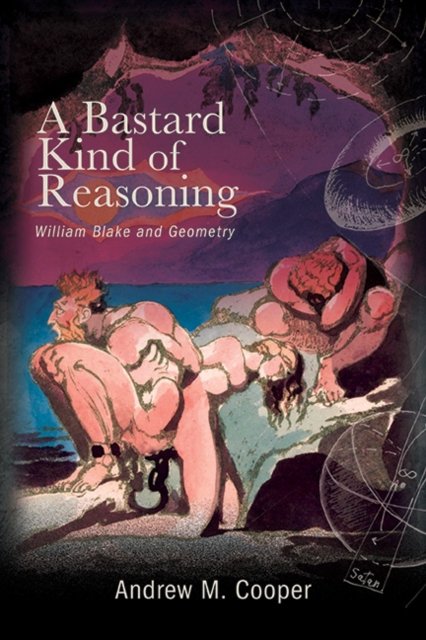
Av Andrew M. Cooper, 2023.Del av serien SUNY series, Studies in the Long Nineteenth Century.
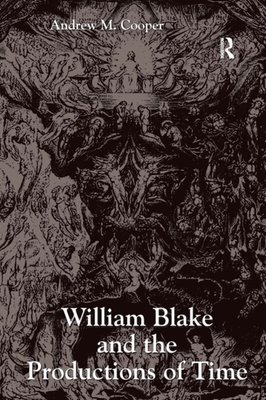
William Blake and Geometry
Ranges widely and deeply across William Blake's oeuvre to show how his post-Newtonian vision of space-time anticipates Einsteinian relativity.
What do Einsteinian relativity, eighteenth-century field theory, Neoplatonism, and the overthrow of three-dimensional perspective have in common? The poet and artist William Blake's geometry-the conception of space-time that informs his work across media and genres. In this illuminating, inventive new study, Andrew M. Cooper reveals Blake to be the vehicle of a single imaginative vision in which art, literature, physics, and metaphysics stand united. Romantic-period physics was not, as others have assumed, materialist. Blake's cosmology forms part of his age's deep reevaluation of body and soul, of matter and Heaven, and even probes what it is to understand understanding, reason, and substance. Far from being anti-Newtonian, Blake was prophetically post-Newtonian. His poetry and art realized the revolutionary potential of Enlightened natural philosophy even as that philosophy still needed an Einstein for its physics to snap fully into focus. Blake's mythmaking exploits the imaginative reach of formal abstractions to generate a model of how sensation imparts physical extension to the world. More striking still, Cooper shows how Blake's art of vision leads us today to visualize four-dimensional concepts of space, time, and Man for ourselves.
Språk: Engelsk
Ved å fullføre kjøpet aksepterer jeg kjøpsvilkårene.
Ikke tilgjengelig for Klikk&Hent
På nettlager. Bestilles fra England. Leveres normalt innen 5-8 virkedager.
Av Andrew M. Cooper, 2023.Del av serien SUNY series, Studies in the Long Nineteenth Century.
William Blake and Geometry
Ranges widely and deeply across William Blake's oeuvre to show how his post-Newtonian vision of space-time anticipates Einsteinian relativity.
What do Einsteinian relativity, eighteenth-century field theory, Neoplatonism, and the overthrow of three-dimensional perspective have in common? The poet and artist William Blake's geometry-the conception of space-time that informs his work across media and genres. In this illuminating, inventive new study, Andrew M. Cooper reveals Blake to be the vehicle of a single imaginative vision in which art, literature, physics, and metaphysics stand united. Romantic-period physics was not, as others have assumed, materialist. Blake's cosmology forms part of his age's deep reevaluation of body and soul, of matter and Heaven, and even probes what it is to understand understanding, reason, and substance. Far from being anti-Newtonian, Blake was prophetically post-Newtonian. His poetry and art realized the revolutionary potential of Enlightened natural philosophy even as that philosophy still needed an Einstein for its physics to snap fully into focus. Blake's mythmaking exploits the imaginative reach of formal abstractions to generate a model of how sensation imparts physical extension to the world. More striking still, Cooper shows how Blake's art of vision leads us today to visualize four-dimensional concepts of space, time, and Man for ourselves.
Språk: Engelsk
Ved å fullføre kjøpet aksepterer jeg kjøpsvilkårene.
Ikke tilgjengelig for Klikk&Hent
På nettlager. Bestilles fra England. Leveres normalt innen 5-8 virkedager.
Ved å fullføre kjøpet aksepterer du kjøpsvilkårene.








Medicine Is War
350,-
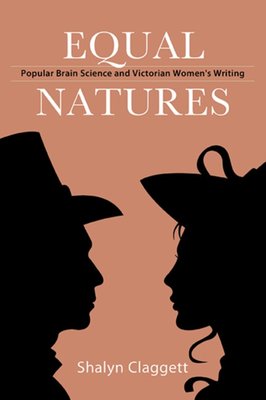
Equal Natures
332,-
Mapping the Victorian Social Body
332,-
Manly Leaders in Nineteenth-Century British Literature
332,-
Anxious Anatomy
359,-
Antipodal England
359,-
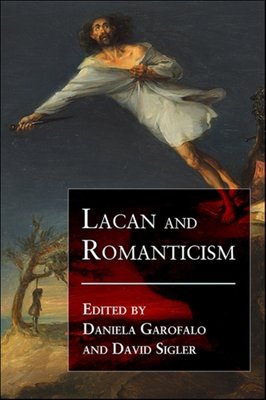
Lacan and Romanticism
359,-
Romantic Vacancy
332,-
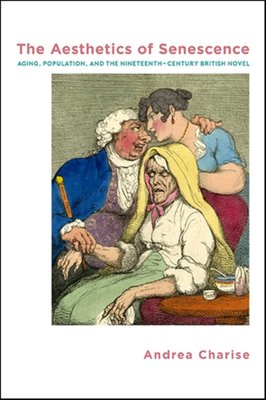
The Aesthetics of Senescence
332,-
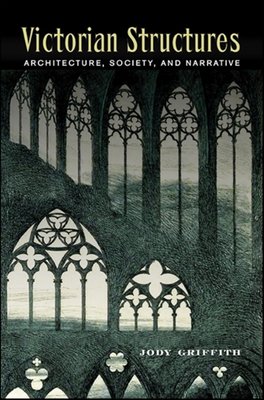
Victorian Structures
323,-
Medicine Is War
350,-
Equal Natures
332,-
Mapping the Victorian Social Body
332,-
Manly Leaders in Nineteenth-Century British Literature
332,-
Anxious Anatomy
359,-
Antipodal England
359,-
Lacan and Romanticism
359,-
Romantic Vacancy
332,-
The Aesthetics of Senescence
332,-
Victorian Structures
323,-