Pensum -10%
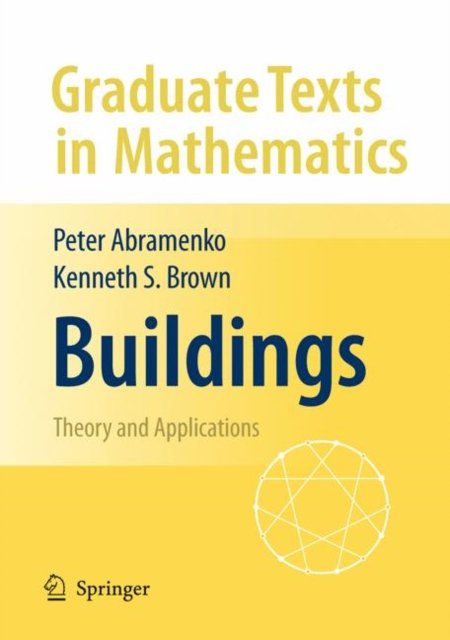
Av Kenneth S. Brown, Peter Abramenko, 2008.Del av serien Graduate Texts in Mathematics.
Theory and Applications
This book treats Jacques Tit's beautiful theory of buildings, making that theory accessible to readers with minimal background. It covers all three approaches to buildings, so that the reader can choose to concentrate on one particular approach. Beginners can use parts of the new book as a friendly introduction to buildings, but the book also contains valuable material for the active researcher.
This book is suitable as a textbook, with many exercises, and it may also be used for self-study.
Ikke tilgjengelig for Klikk&Hent
Midlertidig tomt på lager
Bestillingsvare. Forventes sendt om ca 20 dager
Av Kenneth S. Brown, Peter Abramenko, 2008.Del av serien Graduate Texts in Mathematics.
Theory and Applications
This book treats Jacques Tit's beautiful theory of buildings, making that theory accessible to readers with minimal background. It covers all three approaches to buildings, so that the reader can choose to concentrate on one particular approach. Beginners can use parts of the new book as a friendly introduction to buildings, but the book also contains valuable material for the active researcher.
This book is suitable as a textbook, with many exercises, and it may also be used for self-study.
Ikke tilgjengelig for Klikk&Hent
Midlertidig tomt på lager
Bestillingsvare. Forventes sendt om ca 20 dager
Ved å fullføre kjøpet aksepterer du kjøpsvilkårene.

Categories for the Working Mathematician
656,-
Complex Analysis
737,-
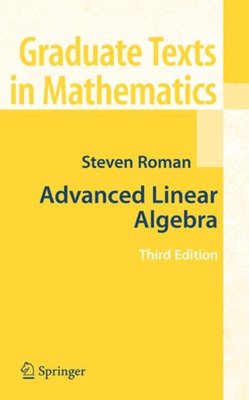
Advanced Linear Algebra
836,-

Fourier Analysis and Its Applications
602,-
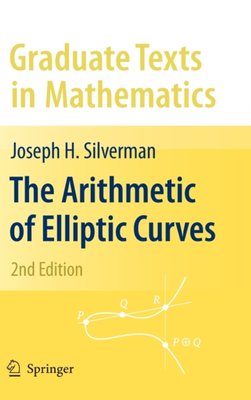
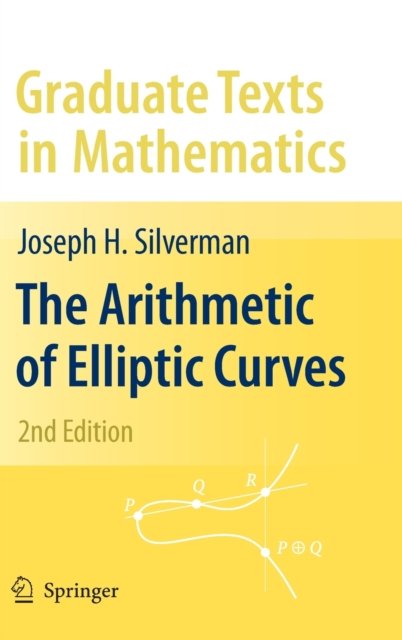
The Arithmetic of Elliptic Curves
584,-
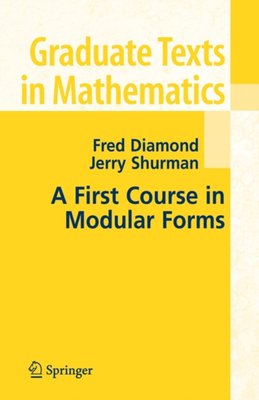
A First Course in Modular Forms
674,-
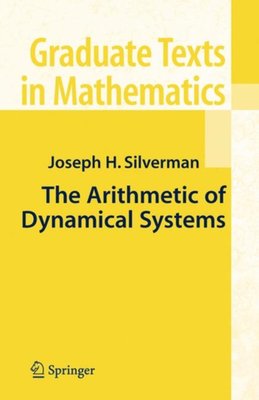
The Arithmetic of Dynamical Systems
971,-
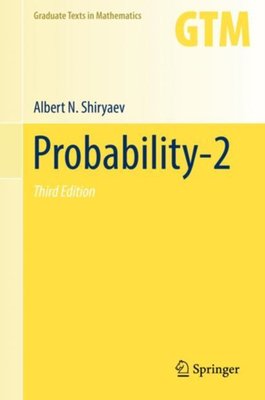
Probability-2
854,-
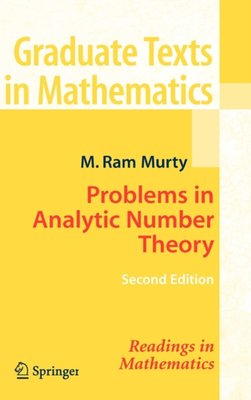
Problems in Analytic Number Theory
611,-
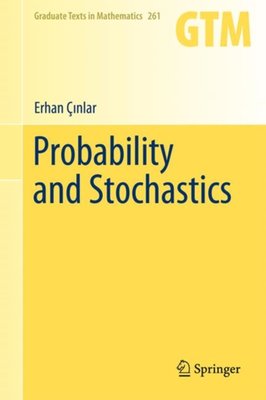
Probability and Stochastics
782,-
Categories for the Working Mathematician
656,-
Complex Analysis
737,-
Advanced Linear Algebra
836,-
Fourier Analysis and Its Applications
602,-
The Arithmetic of Elliptic Curves
584,-
A First Course in Modular Forms
674,-
The Arithmetic of Dynamical Systems
971,-
Probability-2
854,-
Problems in Analytic Number Theory
611,-
Probability and Stochastics
782,-