Pensum -10%
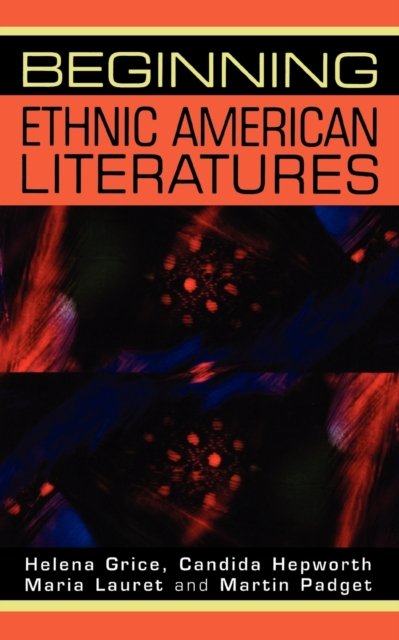
Beginning ethnic American literatures
Candida Hepworth, Martin Padget og 2 andre
PocketEngelsk
Del av serien Beginnings
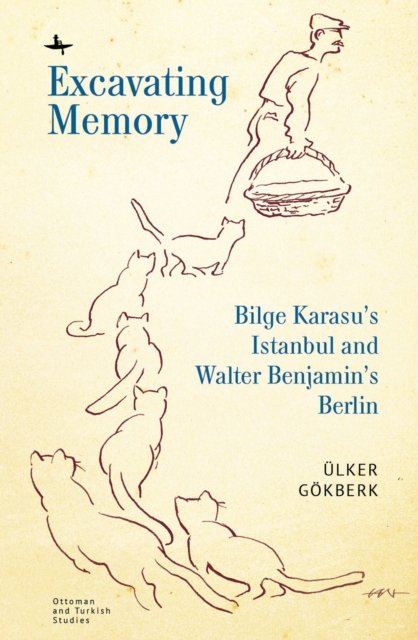
Av Ülker Gökberk, 2020.Del av serien Ottoman and Turkish Studies.
Bilge Karasu's Istanbul and Walter Benjamin's Berlin
This study moves the acclaimed Turkish fiction writer Bilge Karasu (1930–1995) into a new critical arena by examining his poetics of memory, as laid out in his narratives on Istanbul’s Beyoglu, once a cosmopolitan neighborhood called Pera. Karasu established his fame in literary criticism as an experimental modernist, but while themes such as sexuality, gender, and oppression have received critical attention, an essential tenet of Karasu’s oeuvre, the evocation of ethno-cultural identity, has remained unexplored: Excavating Memory brings to light this dimension. Through his non-referential and ambiguous renderings of memory, Karasu gives in his Beyoglu narratives unique expression to ethno-cultural difference in Turkish literature, and lets through his own repressed minority identity. By using Walter Benjamin’s autobiographical work as a heuristic premise for illuminating Karasu, Gökberk establishes an innovative intercultural framework, which brings into dialogue two representative writers of the twentieth century over temporal and spatial distances.
Ikke tilgjengelig for Klikk&Hent
Midlertidig tomt på lager
Bestillingsvare. Forventes sendt om ca 9 dager
Av Ülker Gökberk, 2020.Del av serien Ottoman and Turkish Studies.
Bilge Karasu's Istanbul and Walter Benjamin's Berlin
This study moves the acclaimed Turkish fiction writer Bilge Karasu (1930–1995) into a new critical arena by examining his poetics of memory, as laid out in his narratives on Istanbul’s Beyoglu, once a cosmopolitan neighborhood called Pera. Karasu established his fame in literary criticism as an experimental modernist, but while themes such as sexuality, gender, and oppression have received critical attention, an essential tenet of Karasu’s oeuvre, the evocation of ethno-cultural identity, has remained unexplored: Excavating Memory brings to light this dimension. Through his non-referential and ambiguous renderings of memory, Karasu gives in his Beyoglu narratives unique expression to ethno-cultural difference in Turkish literature, and lets through his own repressed minority identity. By using Walter Benjamin’s autobiographical work as a heuristic premise for illuminating Karasu, Gökberk establishes an innovative intercultural framework, which brings into dialogue two representative writers of the twentieth century over temporal and spatial distances.
Ikke tilgjengelig for Klikk&Hent
Midlertidig tomt på lager
Bestillingsvare. Forventes sendt om ca 9 dager
Ved å fullføre kjøpet aksepterer du kjøpsvilkårene.