Pensum -10%
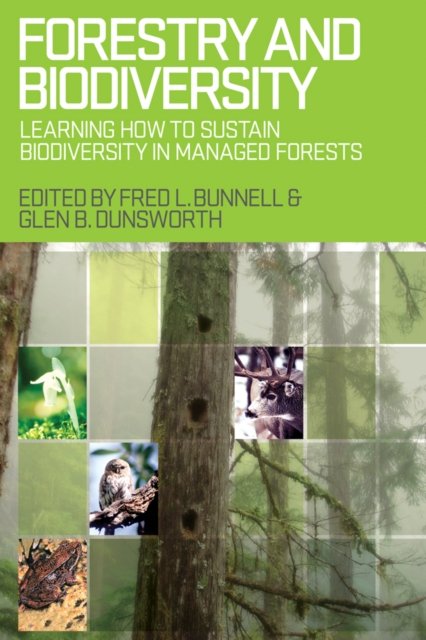
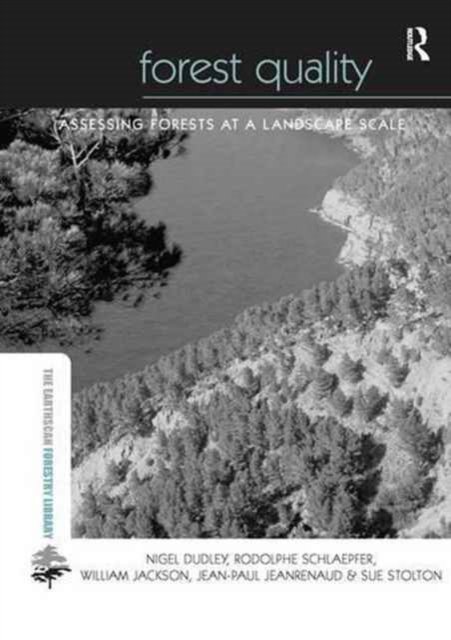
Av Jean-Paul Jeanrenaud, William Jackson, Sue Stolton, Rodolphe Schlaepfer, Nigel Dudley, 2016.Del av serien The Earthscan Forest Library.
Assessing Forests at a Landscape Scale
Deforestation is frequently a topic of discussion in the environmental arena, but it is not just the number of trees that matters; the quality of the forest is also important. Even where the forest area is stable or increasing, there are often rapid changes in its character. Natural forests are being replaced by plantations or by intensively managed forests. Around the world, forests are becoming younger and less diverse, in both species and structure; this has important impacts for biodiversity and also affects many human values. In this groundbreaking text, forest quality is discussed as a useful new concept in forest conservation and management. Three main assessment criteria are used: authenticity; environmental benefits; and social and economic benefits. The book describes a methodology and protocol for collecting and analysingdata, and outlines in detail the approach required with each indicator. The authors advocate a landscape approach to assessment and demonstrate howassessment works through a series of case studies that show how this approach can be used in many ways to help forest conservation management.This hands-on manual is for professionals involved in forestry, conservation and resource management worldwide, and contains case study material from Europe, Asia, Africa and Latin America that demonstrates practical uses of the new 'landscape' approach to forest conservation.Published with IUCN and WWF
Språk: Engelsk
Ikke tilgjengelig for Klikk&Hent
Midlertidig tomt på lager
Bestillingsvare. Forventes sendt om ca 10 dager
Av Jean-Paul Jeanrenaud, William Jackson, Sue Stolton, Rodolphe Schlaepfer, Nigel Dudley, 2016.Del av serien The Earthscan Forest Library.
Assessing Forests at a Landscape Scale
Deforestation is frequently a topic of discussion in the environmental arena, but it is not just the number of trees that matters; the quality of the forest is also important. Even where the forest area is stable or increasing, there are often rapid changes in its character. Natural forests are being replaced by plantations or by intensively managed forests. Around the world, forests are becoming younger and less diverse, in both species and structure; this has important impacts for biodiversity and also affects many human values. In this groundbreaking text, forest quality is discussed as a useful new concept in forest conservation and management. Three main assessment criteria are used: authenticity; environmental benefits; and social and economic benefits. The book describes a methodology and protocol for collecting and analysingdata, and outlines in detail the approach required with each indicator. The authors advocate a landscape approach to assessment and demonstrate howassessment works through a series of case studies that show how this approach can be used in many ways to help forest conservation management.This hands-on manual is for professionals involved in forestry, conservation and resource management worldwide, and contains case study material from Europe, Asia, Africa and Latin America that demonstrates practical uses of the new 'landscape' approach to forest conservation.Published with IUCN and WWF
Språk: Engelsk
Ikke tilgjengelig for Klikk&Hent
Midlertidig tomt på lager
Bestillingsvare. Forventes sendt om ca 10 dager
Ved å fullføre kjøpet aksepterer du kjøpsvilkårene.

Forests People and Power
679,-
Forests People and Power
2 129,-
Forest Governance and Management Across Time
669,-
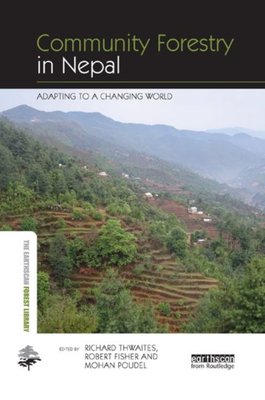
Community Forestry in Nepal
669,-
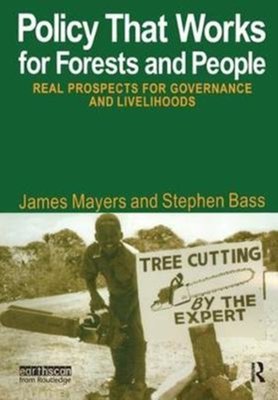
Policy That Works for Forests and People
2 749,-
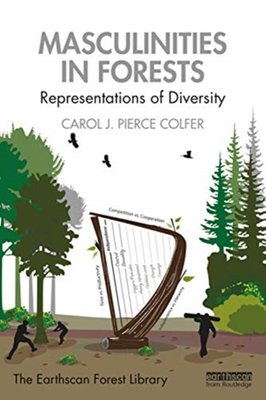
Masculinities in Forests
669,-
Forest Landscape Restoration
649,-
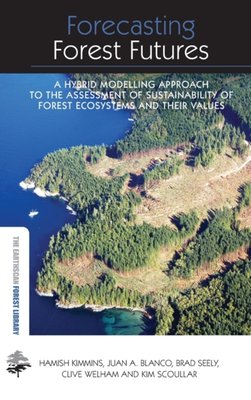
Forecasting Forest Futures
2 129,-
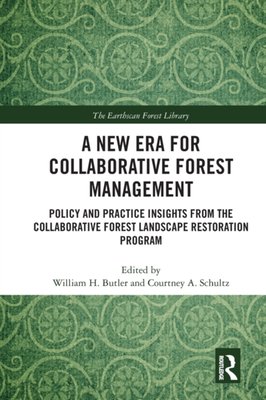
A New Era for Collaborative Forest Management
669,-
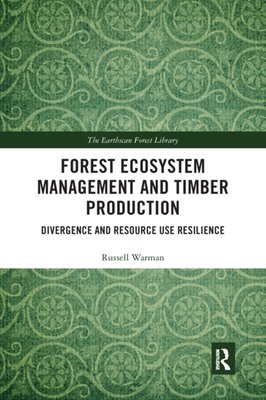
Forest Ecosystem Management and Timber Production
649,-
Forests People and Power
679,-
Forests People and Power
2 129,-
Forest Governance and Management Across Time
669,-
Community Forestry in Nepal
669,-
Policy That Works for Forests and People
2 749,-
Masculinities in Forests
669,-
Forest Landscape Restoration
649,-
Forecasting Forest Futures
2 129,-
A New Era for Collaborative Forest Management
669,-
Forest Ecosystem Management and Timber Production
649,-