Pensum -10%
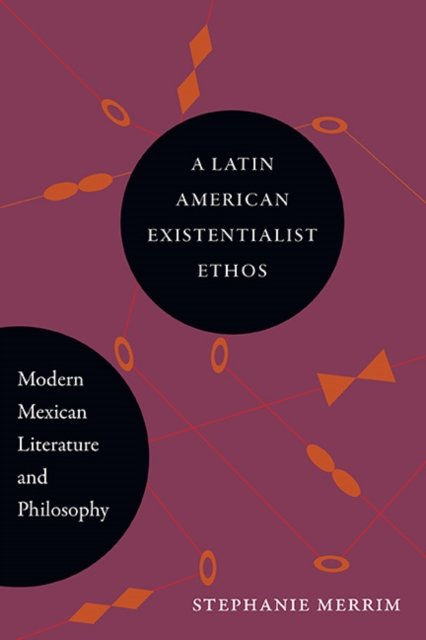
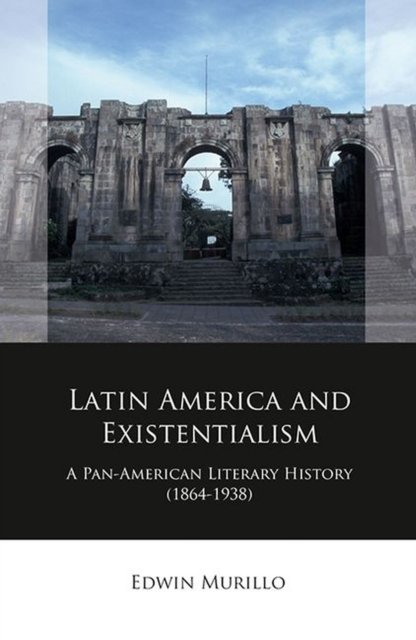
Av Edwin Murillo, 2023.Del av serien Iberian and Latin American Studies.
A Pan-American Literary History (1864-1938)
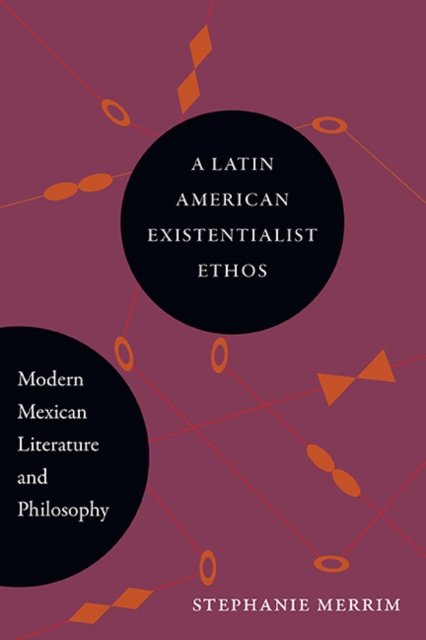
An illuminating reevaluation of Latin America?s importance to existentialist thought.
This book is a comparative study of existentialism in Latin America, addressing and rectifying Latin America?s subordinated position in the existentialist canon. It is an intellectual history that prioritizes literature and contextualizes Latin America?s philosophical contributions from the 1880s to the late 1930s, decades that coincide with the canon's foundational years. Using a Pan-American approach, the book discusses key figures such as Juan Carlos Onetti, Carlos Astrada, and Ernesto Sábato within the broader context of Latin American existentialism and examines writers from less studied regions, such as Brazil's Machado de Assis and Graciliano Ramos, Colombia?s José Asunción Silva, Cuba?s Enrique Labrador Ruiz, and Chile's María Luisa Bombal.
Ved å fullføre kjøpet aksepterer jeg kjøpsvilkårene.
Ikke tilgjengelig for Klikk&Hent
På nettlager. Bestilles fra England. Leveres normalt innen 5-8 virkedager.
Av Edwin Murillo, 2023.Del av serien Iberian and Latin American Studies.
A Pan-American Literary History (1864-1938)
An illuminating reevaluation of Latin America?s importance to existentialist thought.
This book is a comparative study of existentialism in Latin America, addressing and rectifying Latin America?s subordinated position in the existentialist canon. It is an intellectual history that prioritizes literature and contextualizes Latin America?s philosophical contributions from the 1880s to the late 1930s, decades that coincide with the canon's foundational years. Using a Pan-American approach, the book discusses key figures such as Juan Carlos Onetti, Carlos Astrada, and Ernesto Sábato within the broader context of Latin American existentialism and examines writers from less studied regions, such as Brazil's Machado de Assis and Graciliano Ramos, Colombia?s José Asunción Silva, Cuba?s Enrique Labrador Ruiz, and Chile's María Luisa Bombal.
Ved å fullføre kjøpet aksepterer jeg kjøpsvilkårene.
Ikke tilgjengelig for Klikk&Hent
På nettlager. Bestilles fra England. Leveres normalt innen 5-8 virkedager.
Ved å fullføre kjøpet aksepterer du kjøpsvilkårene.

Los Invisibles
249,-

Killing Carmens
229,-
Galdos''s "Torquemada" Novels
229,-
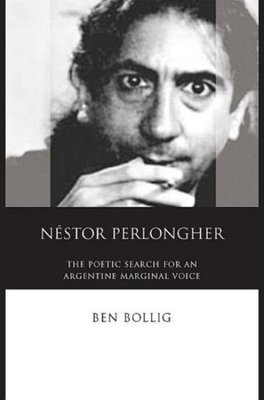
Nestor Perlongher
229,-
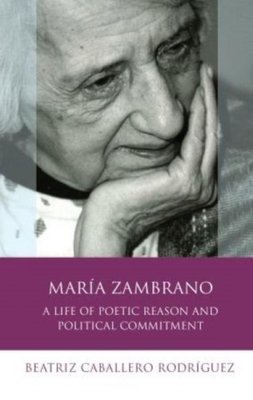
Maria Zambrano
999,-
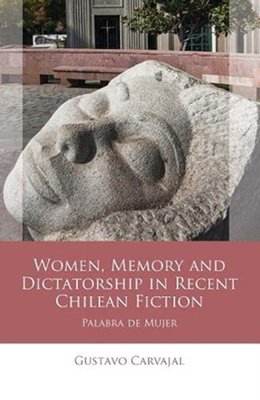
Women, Memory and Dictatorship in Recent Chilean Fiction
869,-
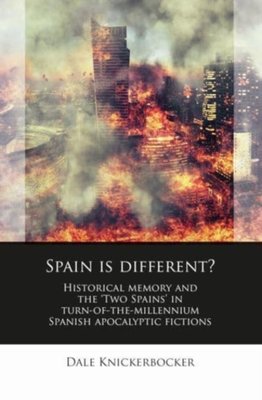
Spain Is Different?
929,-
Reform, Rebellion and Party in Mexico, 1836-1861
999,-
Curating and the Legacies of Colonialism in Contemporary Iberia
868,-
Fractal Families in New Millennium Narrative by Afro-Puerto Rican Women
868,-
Los Invisibles
249,-
Killing Carmens
229,-
Galdos''s "Torquemada" Novels
229,-
Nestor Perlongher
229,-
Maria Zambrano
999,-
Women, Memory and Dictatorship in Recent Chilean Fiction
869,-
Spain Is Different?
929,-
Reform, Rebellion and Party in Mexico, 1836-1861
999,-
Curating and the Legacies of Colonialism in Contemporary Iberia
868,-
Fractal Families in New Millennium Narrative by Afro-Puerto Rican Women
868,-