Pensum -10%
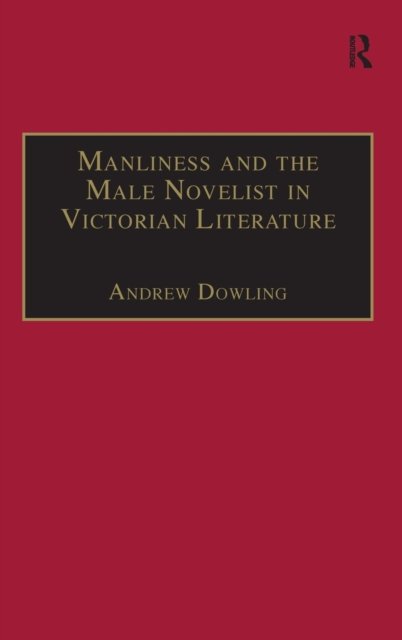
Av Andrew Dowling, 2001.Del av serien The Nineteenth Century Series.
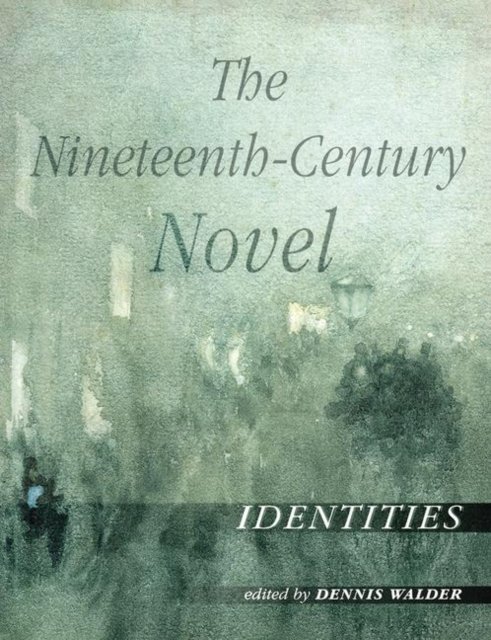
The purpose of this book is to address two principal questions: 'Was the concept of masculinity a topic of debate for the Victorians?' and 'Why is Victorian literature full of images of male deviance when Victorian masculinity is defined by discipline?' In his introduction, Dowling defines Victorian masculinity in terms of discipline. He then addresses the central question of why an official ideal of manly discipline in the nineteenth century co-existed with a literature that is full of images of male deviance. In answering this question, he develops a notion of 'hegemonic deviance', whereby a dominant ideal of masculinity defines itself by what it is not. Dowling goes on to examine the fear of effeminacy facing Victorian literary men and the strategies used to combat these fears by the nineteenth-century male novelist. In later chapters, concentrating on Dickens and Thackeray, he examines how the male novelist is defined against multiple images of unmanliness. These chapters illustrate the investment made by men in constructing male 'others', those sources of difference that are constantly produced and then crushed from within gender divide. By analysing how Victorian literary texts both reveal and reconcile historical anxieties about the meaning of manliness, Dowling argues that masculinity is a complex construction rather than a natural given.
Språk: Engelsk
Ikke tilgjengelig for Klikk&Hent
Midlertidig tomt på lager
Bestillingsvare. Forventes sendt om ca 10 dager
Av Andrew Dowling, 2001.Del av serien The Nineteenth Century Series.
The purpose of this book is to address two principal questions: 'Was the concept of masculinity a topic of debate for the Victorians?' and 'Why is Victorian literature full of images of male deviance when Victorian masculinity is defined by discipline?' In his introduction, Dowling defines Victorian masculinity in terms of discipline. He then addresses the central question of why an official ideal of manly discipline in the nineteenth century co-existed with a literature that is full of images of male deviance. In answering this question, he develops a notion of 'hegemonic deviance', whereby a dominant ideal of masculinity defines itself by what it is not. Dowling goes on to examine the fear of effeminacy facing Victorian literary men and the strategies used to combat these fears by the nineteenth-century male novelist. In later chapters, concentrating on Dickens and Thackeray, he examines how the male novelist is defined against multiple images of unmanliness. These chapters illustrate the investment made by men in constructing male 'others', those sources of difference that are constantly produced and then crushed from within gender divide. By analysing how Victorian literary texts both reveal and reconcile historical anxieties about the meaning of manliness, Dowling argues that masculinity is a complex construction rather than a natural given.
Språk: Engelsk
Ikke tilgjengelig for Klikk&Hent
Midlertidig tomt på lager
Bestillingsvare. Forventes sendt om ca 10 dager
Ved å fullføre kjøpet aksepterer du kjøpsvilkårene.




Anna Jameson
799,-

The Literary Protégées of the Lake Poets
649,-
The Military Memoir and Romantic Literary Culture 1780-1835
649,-
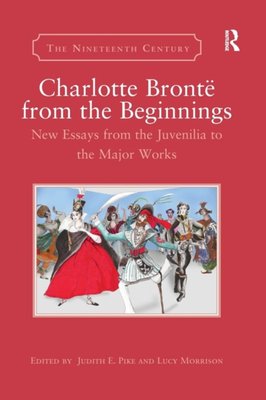
Charlotte Brontë from the Beginnings
679,-

Harriet Martineau and the Birth of Disciplines
679,-
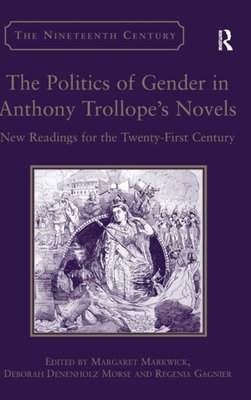
The Politics of Gender in Anthony Trollope''s Novels
2 199,-
Reading Transatlantic Girlhood in the Long Nineteenth Century
569,-
Wordsworth and Evolution in Victorian Literature
649,-
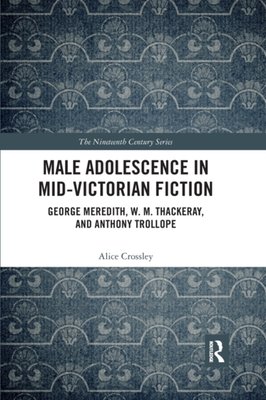
Male Adolescence in Mid-victorian Fiction
584,-
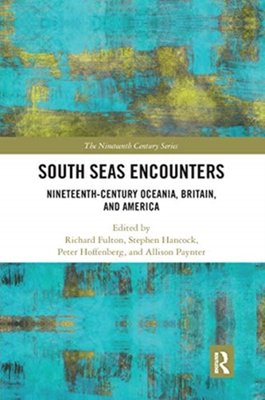
South Seas Encounters
669,-
Anna Jameson
799,-
The Literary Protégées of the Lake Poets
649,-
The Military Memoir and Romantic Literary Culture 1780-1835
649,-
Charlotte Brontë from the Beginnings
679,-
Harriet Martineau and the Birth of Disciplines
679,-
The Politics of Gender in Anthony Trollope''s Novels
2 199,-
Reading Transatlantic Girlhood in the Long Nineteenth Century
569,-
Wordsworth and Evolution in Victorian Literature
649,-
Male Adolescence in Mid-victorian Fiction
584,-
South Seas Encounters
669,-