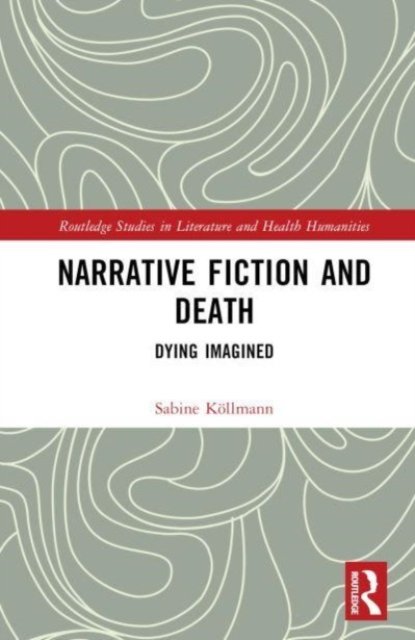
Av Sabine Kollmann, 2023.Del av serien Routledge Studies in Literature and Health Humanities.
Dying Imagined
Narrative Fiction and Death: Dying Imagined offers a new perspective on the study of death in literature. It focuses on narrative fiction that conveys the experience of dying from the internal perspective of a dying protagonist. Writers from Victor Hugo in the early 1800s to Elif Shafak in the present day have imagined the unknowable final moments on the threshold to death. This literary study examines the wide range of narrative strategies used to evoke the transition from life to death, and to what effect, revealing not only each writers unique way of representing the dying experience; the comparative reading also finds common concerns in these texts and uncovers surprising parallels and unexplored intertextual relations between works across time and space that will interest comparatists as well as specialists in the literatures discussed. Students of individual texts examined here will benefit from detailed analyses of these works.
The fictional evocation of dying addresses our basic human fears, offering catharsis, consolation, and a greater cognitive and emotional understanding of that unknowable experience. Presented in an engaging and highly readable manner, this study argues for literatures potential to challenge our assumptions about the end of life and change our approach to dying, an aspect that will interest students and researchers of the health humanities, palliative caregivers, and all those interested in questions of the end of life.
Språk: Engelsk
Ikke tilgjengelig for Klikk&Hent
Midlertidig tomt på lager
Bestillingsvare. Forventes sendt om ca 9 dager

Av Sabine Kollmann, 2023.Del av serien Routledge Studies in Literature and Health Humanities.
Dying Imagined
Narrative Fiction and Death: Dying Imagined offers a new perspective on the study of death in literature. It focuses on narrative fiction that conveys the experience of dying from the internal perspective of a dying protagonist. Writers from Victor Hugo in the early 1800s to Elif Shafak in the present day have imagined the unknowable final moments on the threshold to death. This literary study examines the wide range of narrative strategies used to evoke the transition from life to death, and to what effect, revealing not only each writers unique way of representing the dying experience; the comparative reading also finds common concerns in these texts and uncovers surprising parallels and unexplored intertextual relations between works across time and space that will interest comparatists as well as specialists in the literatures discussed. Students of individual texts examined here will benefit from detailed analyses of these works.
The fictional evocation of dying addresses our basic human fears, offering catharsis, consolation, and a greater cognitive and emotional understanding of that unknowable experience. Presented in an engaging and highly readable manner, this study argues for literatures potential to challenge our assumptions about the end of life and change our approach to dying, an aspect that will interest students and researchers of the health humanities, palliative caregivers, and all those interested in questions of the end of life.
Språk: Engelsk
Ikke tilgjengelig for Klikk&Hent
Midlertidig tomt på lager
Bestillingsvare. Forventes sendt om ca 9 dager
Ved å fullføre kjøpet aksepterer du kjøpsvilkårene.