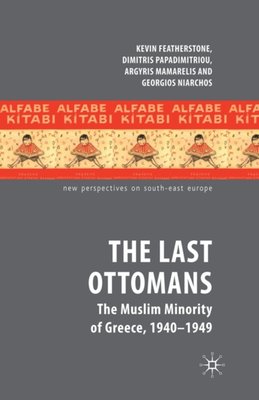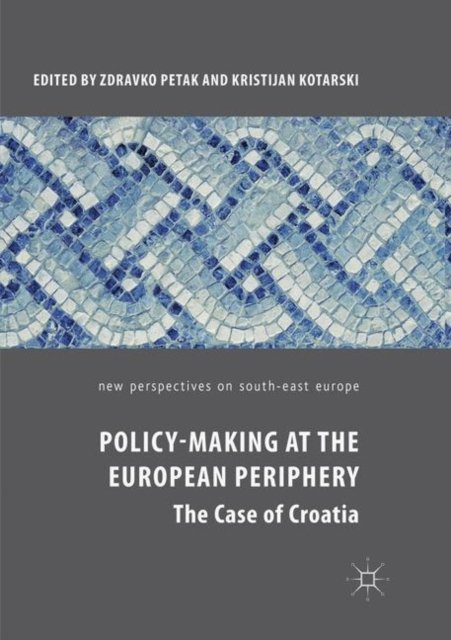
Policy-Making at the European Periphery
Redigert av Kristijan Kotarski, Zdravko Petak, 2018.Del av serien New Perspectives on South-East Europe.
The Case of Croatia
INTRODUCTIONChapter 1: Croatia's post-communist transition experience: the paradox of initial advantage turning into a middle-income trap Zdravko Petak and Kristijan Kotarski
FIRST PART: POLICY-MAKING PROCESS IN THE NEWEST EU MEMBER STATE Chapter 2: Policy-making context and challenges of governance in Croatia Zdravko Petak
Chapter 3: The Europeization of Croatian Political SystemHrvoje Špehar and Ivan Pepic Chapter 4: Political attention of Croatian governments 1990-2015Daniela Širinic Chapter 5: Interest groups in the policy making process in CroatiaIgor Vidacak and Kristijan Kotarski
Chapter 6: Political economy of corruption, clientelism and vote-buying in Croatian local governmentVuk Vukovic
SECOND PART: CROATIAN POLITICAL ECONOMY Chapter 7: Long-term trends in Croatian GDP growth
Anita Ceh Casni, Petra Palic and Maruška Vizek
Chapter 8: Monetary policy in a highly euroized economyKristijan Kotarski and Marina Tkalec
Chapter 9: Fiscal policy and European Semester in Croatia: why should we focus on public debt? Hrvoje Šimovic and Milan Deskar-Škrbic
Chapter 10: Banking regulation in Croatia: qualitative and quantitative assessment Milan Deskar Škrbic, Kristijan Kotarski and Luka Brkic
Chapter 11: Competitiveness of Croatian economy: the comparison of private and public sector enterprisesVelimir Šonje
THIRD PART: SECTORAL PUBLIC POLICIESChapter 12: Croatian pension system and challenges of pension policy
Predrag Bejakovic
Chapter 13: Health policy in Croatia: a case of free fallingDagmar Radin Chapter 14: Education policy in CroatiaTihomir Žiljak and Nikola Baketa Chapter 15: Cohesion policy in Croatia: what have we accomplished so far?Sanja Malekovic, Jakša Puljiz and Ivana Keser
Chapter 16: Features of Croatian public policies Ana Petek CONCLUSIONChapter 17: Quo vadis Croatia? The interplay of institutions, interests and ideasZdravko Petak and Kristijan Kotarski
Språk: Engelsk
Ikke tilgjengelig for Klikk&Hent
Midlertidig tomt på lager
Bestillingsvare. Forventes sendt om ca 20 dager
Policy-Making at the European Periphery
Redigert av Kristijan Kotarski, Zdravko Petak, 2018.Del av serien New Perspectives on South-East Europe.
The Case of Croatia
INTRODUCTIONChapter 1: Croatia's post-communist transition experience: the paradox of initial advantage turning into a middle-income trap Zdravko Petak and Kristijan Kotarski
FIRST PART: POLICY-MAKING PROCESS IN THE NEWEST EU MEMBER STATE Chapter 2: Policy-making context and challenges of governance in Croatia Zdravko Petak
Chapter 3: The Europeization of Croatian Political SystemHrvoje Špehar and Ivan Pepic Chapter 4: Political attention of Croatian governments 1990-2015Daniela Širinic Chapter 5: Interest groups in the policy making process in CroatiaIgor Vidacak and Kristijan Kotarski
Chapter 6: Political economy of corruption, clientelism and vote-buying in Croatian local governmentVuk Vukovic
SECOND PART: CROATIAN POLITICAL ECONOMY Chapter 7: Long-term trends in Croatian GDP growth
Anita Ceh Casni, Petra Palic and Maruška Vizek
Chapter 8: Monetary policy in a highly euroized economyKristijan Kotarski and Marina Tkalec
Chapter 9: Fiscal policy and European Semester in Croatia: why should we focus on public debt? Hrvoje Šimovic and Milan Deskar-Škrbic
Chapter 10: Banking regulation in Croatia: qualitative and quantitative assessment Milan Deskar Škrbic, Kristijan Kotarski and Luka Brkic
Chapter 11: Competitiveness of Croatian economy: the comparison of private and public sector enterprisesVelimir Šonje
THIRD PART: SECTORAL PUBLIC POLICIESChapter 12: Croatian pension system and challenges of pension policy
Predrag Bejakovic
Chapter 13: Health policy in Croatia: a case of free fallingDagmar Radin Chapter 14: Education policy in CroatiaTihomir Žiljak and Nikola Baketa Chapter 15: Cohesion policy in Croatia: what have we accomplished so far?Sanja Malekovic, Jakša Puljiz and Ivana Keser
Chapter 16: Features of Croatian public policies Ana Petek CONCLUSIONChapter 17: Quo vadis Croatia? The interplay of institutions, interests and ideasZdravko Petak and Kristijan Kotarski
Språk: Engelsk
Ikke tilgjengelig for Klikk&Hent
Midlertidig tomt på lager
Bestillingsvare. Forventes sendt om ca 20 dager
Ved å fullføre kjøpet aksepterer du kjøpsvilkårene.