Pensum -10%
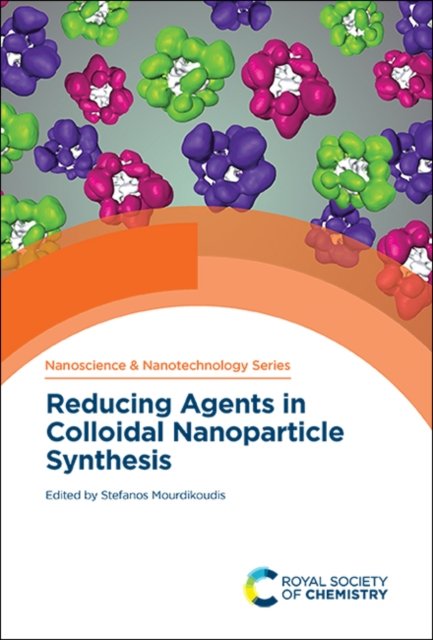
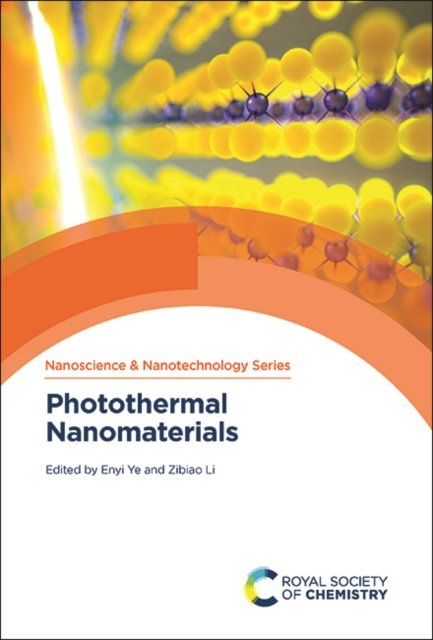
Redigert av Stefanos Mourdikoudis, 2021.Del av serien Nanoscience & Nanotechnology Series.
Nanoparticles can be synthesised via a number of methods, including chemical vapor deposition, ball milling, laser ablation, thermal decomposition and chemical reduction. Chemical reduction is usually preferred, due to its ease and cost-effectiveness. There are several types of compound used as reducing agents in nanoparticle synthesis, and one recent development is the use of biological entities as environmentally friendly reductants. This book will highlight the role of reducing agents in the chemical synthesis of nanoparticle systems, presenting the main categories of reducing agents, which vary on reactivity, selectivity, availability and toxicity. It will provide a comprehensive presentation of both modern and more conventional types of reagents. Emphasis will be given on the presentation not only of the functionality, but also of all the different advantages and limitations of each kind of reducing agent. With contributions from global experts, this title will be appropriate for graduate students and researchers in nanochemistry, colloidal synthesis, inorganic chemistry, organometallic chemistry, chemical engineering, physical chemistry, materials science, biology and physics.
Ikke tilgjengelig for Klikk&Hent
Midlertidig tomt på lager
Bestillingsvare. Forventes sendt om ca 10 dager
Redigert av Stefanos Mourdikoudis, 2021.Del av serien Nanoscience & Nanotechnology Series.
Nanoparticles can be synthesised via a number of methods, including chemical vapor deposition, ball milling, laser ablation, thermal decomposition and chemical reduction. Chemical reduction is usually preferred, due to its ease and cost-effectiveness. There are several types of compound used as reducing agents in nanoparticle synthesis, and one recent development is the use of biological entities as environmentally friendly reductants. This book will highlight the role of reducing agents in the chemical synthesis of nanoparticle systems, presenting the main categories of reducing agents, which vary on reactivity, selectivity, availability and toxicity. It will provide a comprehensive presentation of both modern and more conventional types of reagents. Emphasis will be given on the presentation not only of the functionality, but also of all the different advantages and limitations of each kind of reducing agent. With contributions from global experts, this title will be appropriate for graduate students and researchers in nanochemistry, colloidal synthesis, inorganic chemistry, organometallic chemistry, chemical engineering, physical chemistry, materials science, biology and physics.
Ikke tilgjengelig for Klikk&Hent
Midlertidig tomt på lager
Bestillingsvare. Forventes sendt om ca 10 dager
Ved å fullføre kjøpet aksepterer du kjøpsvilkårene.

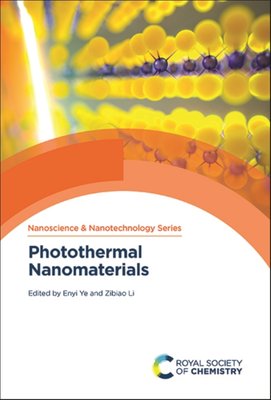
Photothermal Nanomaterials
2 299,-
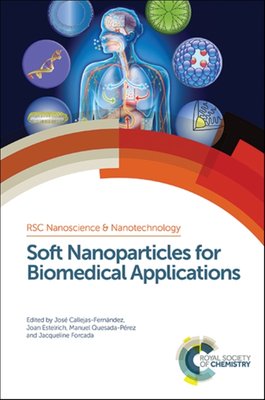
Soft Nanoparticles for Biomedical Applications
2 399,-
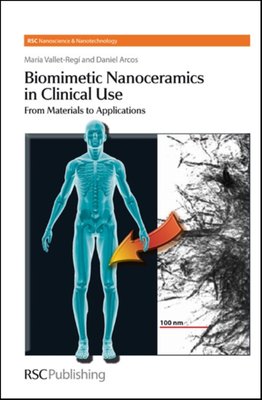
Biomimetic Nanoceramics in Clinical Use
1 669,-
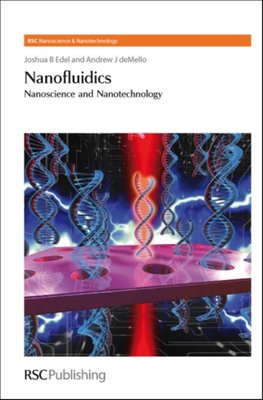
Nanofluidics
1 669,-
Bionanodesign
1 349,-
Metallic and Molecular Interactions in Nanometer Layers, Pores and Particles
1 899,-
Nanotechnologies in Food
1 529,-
Phage Nanobiotechnology
1 669,-
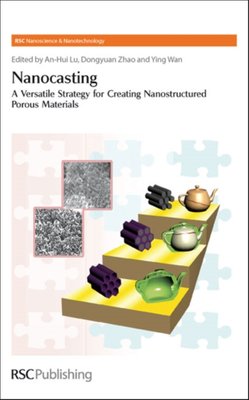
Nanocasting
1 669,-
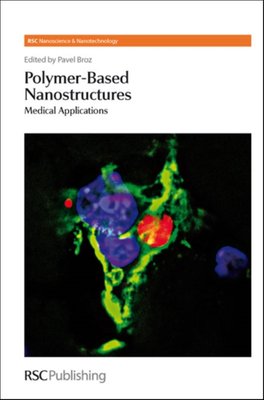
Polymer-based Nanostructures
1 899,-
Photothermal Nanomaterials
2 299,-
Soft Nanoparticles for Biomedical Applications
2 399,-
Biomimetic Nanoceramics in Clinical Use
1 669,-
Nanofluidics
1 669,-
Bionanodesign
1 349,-
Metallic and Molecular Interactions in Nanometer Layers, Pores and Particles
1 899,-
Nanotechnologies in Food
1 529,-
Phage Nanobiotechnology
1 669,-
Nanocasting
1 669,-
Polymer-based Nanostructures
1 899,-