Pensum -10%
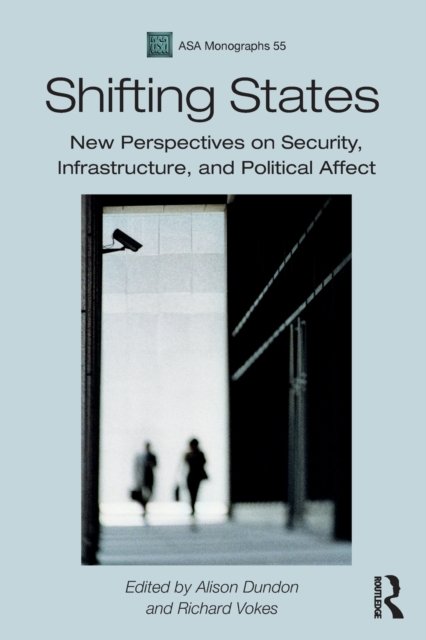
Redigert av Alison Dundon, Richard Vokes, 2023.Del av serien ASA Monographs.
New Perspectives on Security, Infrastructure, and Political Affect
Shifting States draws on a rich history of anthropological theorising on all kinds of states ? from the pre- to the post- industrial ? and explores topics as diverse as bureaucracy, infrastructure, surveillance, securitization, and public health.
As we enter the third decade of the twentieth century, there is a growing sense that ?the state? is in crisis everywhere. Although the nature of this perceived crisis varies from place to place, everywhere it is seen to have been caused by some combination of the inter-related forces of ?globalisation?, of successive economic shocks, and of the rise of social media-fuelled populist movements. Yet, conversely, there is also a creeping perception that state power is becoming more pervasive in its reach, and in its effects, in ways which make it ever more imminent to the material worlds in which we live, more fundamental to the ways in which we conceive of the future, and more foundational to our very sense of self. How might we try to make sense of, and to mediate, these apparently contradictory impressions?
Based on ethnographic case studies from all over the world, this timely volume forges new ways of thinking about how state power manifests, and is imagined, and about the effects it has on ordinary people?s lives. In so doing, the volume provides tools not only for understanding states? responses to the COVID-19 pandemic, but also for judging what effects these responses are likely to have.
Ikke tilgjengelig for Klikk&Hent
Midlertidig tomt på lager
Bestillingsvare. Forventes sendt om ca 10 dager
Redigert av Alison Dundon, Richard Vokes, 2023.Del av serien ASA Monographs.
New Perspectives on Security, Infrastructure, and Political Affect
Shifting States draws on a rich history of anthropological theorising on all kinds of states ? from the pre- to the post- industrial ? and explores topics as diverse as bureaucracy, infrastructure, surveillance, securitization, and public health.
As we enter the third decade of the twentieth century, there is a growing sense that ?the state? is in crisis everywhere. Although the nature of this perceived crisis varies from place to place, everywhere it is seen to have been caused by some combination of the inter-related forces of ?globalisation?, of successive economic shocks, and of the rise of social media-fuelled populist movements. Yet, conversely, there is also a creeping perception that state power is becoming more pervasive in its reach, and in its effects, in ways which make it ever more imminent to the material worlds in which we live, more fundamental to the ways in which we conceive of the future, and more foundational to our very sense of self. How might we try to make sense of, and to mediate, these apparently contradictory impressions?
Based on ethnographic case studies from all over the world, this timely volume forges new ways of thinking about how state power manifests, and is imagined, and about the effects it has on ordinary people?s lives. In so doing, the volume provides tools not only for understanding states? responses to the COVID-19 pandemic, but also for judging what effects these responses are likely to have.
Ikke tilgjengelig for Klikk&Hent
Midlertidig tomt på lager
Bestillingsvare. Forventes sendt om ca 10 dager
Ved å fullføre kjøpet aksepterer du kjøpsvilkårene.












Ritual, Performance, Media
729,-

An Anthropology of Indirect Communication
569,-
Living Beings
529,-
Re-Creating Anthropology
528,-

How to Live Through a Pandemic
528,-
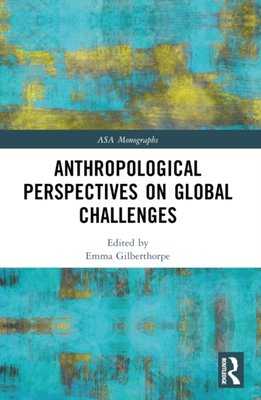
Anthropological Perspectives on Global Challenges
649,-

The Time of Anthropology
569,-
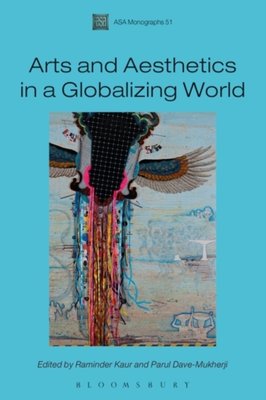
Arts and Aesthetics in a Globalizing World
499,-

World Anthropologies in Practice
459,-
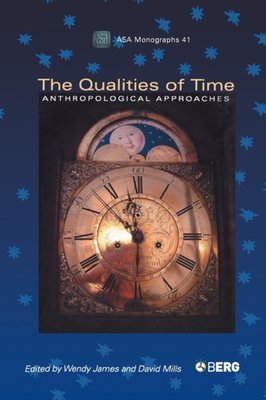
The Qualities of Time
519,-
Ritual, Performance, Media
729,-
An Anthropology of Indirect Communication
569,-
Living Beings
529,-
Re-Creating Anthropology
528,-
How to Live Through a Pandemic
528,-
Anthropological Perspectives on Global Challenges
649,-
The Time of Anthropology
569,-
Arts and Aesthetics in a Globalizing World
499,-
World Anthropologies in Practice
459,-
The Qualities of Time
519,-