Pensum -10%
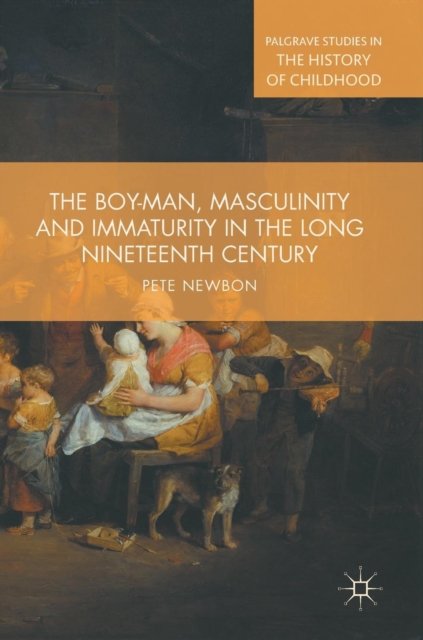
Av Pete Newbon, 2018.Del av serien Palgrave Studies in the History of Childhood.
This book explores the evolution of male writers marked by peculiar traits of childlike immaturity. The 'Boy-Man' emerged from the nexus of Rousseau's counter-Enlightenment cultural primitivism, Sensibility's 'Man of Feeling', the Chattertonian poet maudit, and the Romantic idealisation of childhood. The Romantic era saw the proliferation of boy-men, who congregated around such metropolitan institutions as The London Magazine. These included John Keats, Leigh Hunt, Charles Lamb, Hartley Coleridge, Thomas De Quincey and Thomas Hood. In the period of the French Revolution, terms of childishness were used against such writers as Wordsworth, Keats, Hunt and Lamb as a tool of political satire. Yet boy-men writers conversely used their amphibian child-adult literary personae to critique the masculinist ideologies of their era. However, the growing cultural and political conservatism of the nineteenth century, and the emergence of a canon of serious literature, inculcated the relegation of the boy-men from the republic of letters.
Ikke tilgjengelig for Klikk&Hent
Midlertidig tomt på lager
Bestillingsvare. Forventes sendt om ca 20 dager
Av Pete Newbon, 2018.Del av serien Palgrave Studies in the History of Childhood.
This book explores the evolution of male writers marked by peculiar traits of childlike immaturity. The 'Boy-Man' emerged from the nexus of Rousseau's counter-Enlightenment cultural primitivism, Sensibility's 'Man of Feeling', the Chattertonian poet maudit, and the Romantic idealisation of childhood. The Romantic era saw the proliferation of boy-men, who congregated around such metropolitan institutions as The London Magazine. These included John Keats, Leigh Hunt, Charles Lamb, Hartley Coleridge, Thomas De Quincey and Thomas Hood. In the period of the French Revolution, terms of childishness were used against such writers as Wordsworth, Keats, Hunt and Lamb as a tool of political satire. Yet boy-men writers conversely used their amphibian child-adult literary personae to critique the masculinist ideologies of their era. However, the growing cultural and political conservatism of the nineteenth century, and the emergence of a canon of serious literature, inculcated the relegation of the boy-men from the republic of letters.
Ikke tilgjengelig for Klikk&Hent
Midlertidig tomt på lager
Bestillingsvare. Forventes sendt om ca 20 dager
Ved å fullføre kjøpet aksepterer du kjøpsvilkårene.






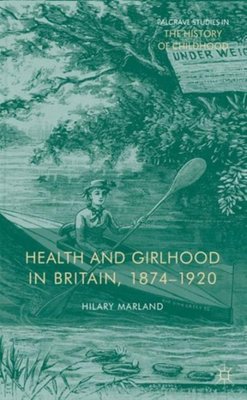
Health and Girlhood in Britain, 1874-1920
584,-
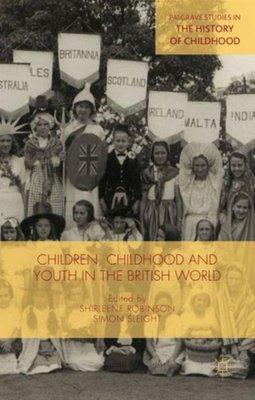
Children, Childhood and Youth in the British World
1 466,-
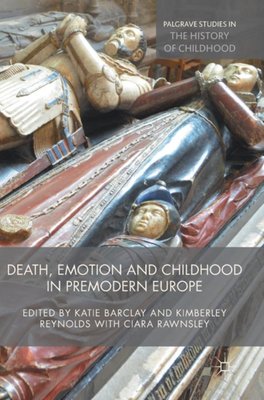
Death, Emotion and Childhood in Premodern Europe
926,-
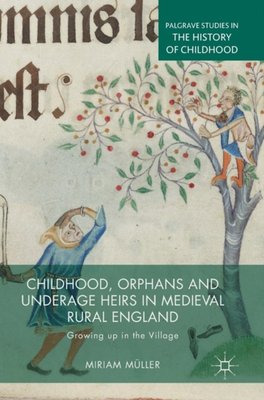
Childhood, Orphans and Underage Heirs in Medieval Rural England
854,-
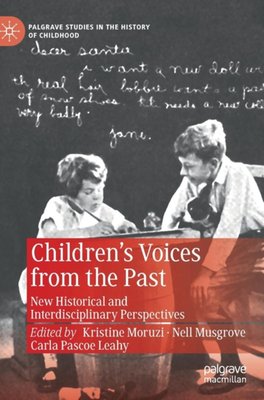
Children''s Voices from the Past
1 466,-
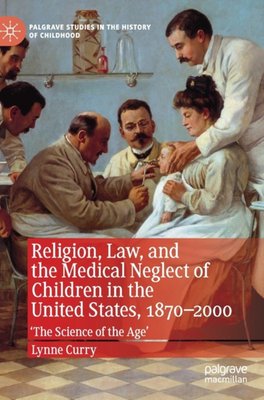
Religion, Law, and the Medical Neglect of Children in the United States, 1870-2000
674,-
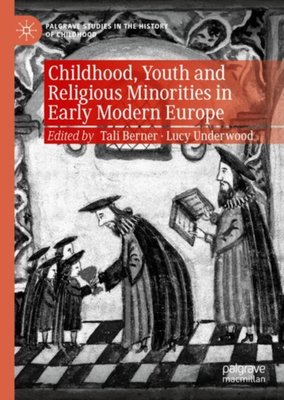
Childhood, Youth and Religious Minorities in Early Modern Europe
1 340,-
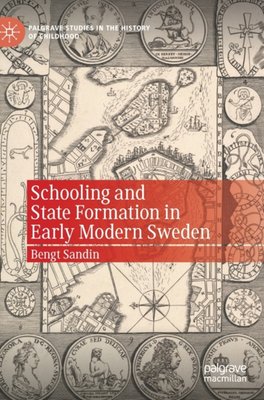
Schooling and State Formation in Early Modern Sweden
1 340,-

Lettering Young Readers in the Dutch Enlightenment
1 340,-
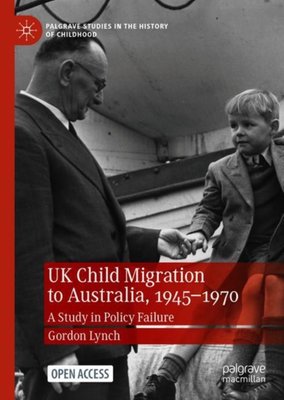
UK Child Migration to Australia, 1945-1970
584,-
Health and Girlhood in Britain, 1874-1920
584,-
Children, Childhood and Youth in the British World
1 466,-
Death, Emotion and Childhood in Premodern Europe
926,-
Childhood, Orphans and Underage Heirs in Medieval Rural England
854,-
Children''s Voices from the Past
1 466,-
Religion, Law, and the Medical Neglect of Children in the United States, 1870-2000
674,-
Childhood, Youth and Religious Minorities in Early Modern Europe
1 340,-
Schooling and State Formation in Early Modern Sweden
1 340,-
Lettering Young Readers in the Dutch Enlightenment
1 340,-
UK Child Migration to Australia, 1945-1970
584,-