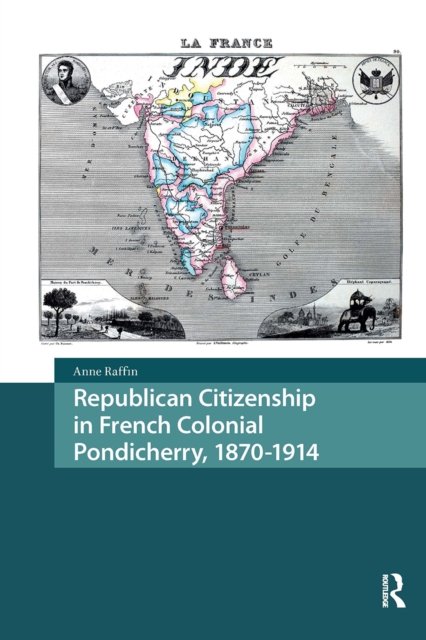
Republican Citizenship in French Colonial Pondicherry, 1870-1914
Anne Raffin
PocketEngelsk
Del av serien Asian History
Av Ruiping Ye, 2020.Del av serien Routledge Studies in the Modern History of Asia.
Land Tenure, Law and Qing and Japanese Policies
The dispossession of indigenous peoples by conquest regimes remains a pressing issue. This book, unlike most other books on the subject, contrasts two different colonial administrations ? first the Chinese Qing Empire, then, from 1895, the Japanese. It shows how, under the Chinese legal system, the Qing employed the Chinese legal system to manage the relationship between the increasing numbers of Han Chinese settlers and the indigenous peoples, and how, although the Qing regime refrained from taking actions to transform aboriginal land tenure, nevertheless Chinese settlers were able to manipulate aboriginal land tenure to their advantage. It goes on to examine the very different approach of the Japanese colonial administration, which following the Meiji Restoration of 1868 had begun to adopt a Western legal framework, demonstrating how this was intentionally much more intrusive, and how the Japanese modernized legal framework significantly disrupted aboriginal land tenure. Based on extensive original research, the book provides important insights into colonisation, different legal traditions and the impact of colonial settlement on indigenous peoples.
Språk: Engelsk
Ikke tilgjengelig for Klikk&Hent
Midlertidig tomt på lager
Bestillingsvare. Forventes sendt om ca 8 dager
Av Ruiping Ye, 2020.Del av serien Routledge Studies in the Modern History of Asia.
Land Tenure, Law and Qing and Japanese Policies
The dispossession of indigenous peoples by conquest regimes remains a pressing issue. This book, unlike most other books on the subject, contrasts two different colonial administrations ? first the Chinese Qing Empire, then, from 1895, the Japanese. It shows how, under the Chinese legal system, the Qing employed the Chinese legal system to manage the relationship between the increasing numbers of Han Chinese settlers and the indigenous peoples, and how, although the Qing regime refrained from taking actions to transform aboriginal land tenure, nevertheless Chinese settlers were able to manipulate aboriginal land tenure to their advantage. It goes on to examine the very different approach of the Japanese colonial administration, which following the Meiji Restoration of 1868 had begun to adopt a Western legal framework, demonstrating how this was intentionally much more intrusive, and how the Japanese modernized legal framework significantly disrupted aboriginal land tenure. Based on extensive original research, the book provides important insights into colonisation, different legal traditions and the impact of colonial settlement on indigenous peoples.
Språk: Engelsk
Ikke tilgjengelig for Klikk&Hent
Midlertidig tomt på lager
Bestillingsvare. Forventes sendt om ca 8 dager
Ved å fullføre kjøpet aksepterer du kjøpsvilkårene.










Colonial Cambodia''s ''Bad Frenchmen''
819,-
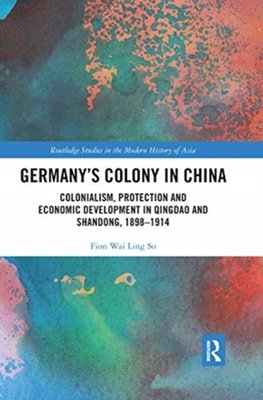
Germany''s Colony in China
729,-

Secularism, Decolonisation, and the Cold War in South and Southeast Asia
2 199,-

The Limits of British Colonial Control in South Asia
499,-
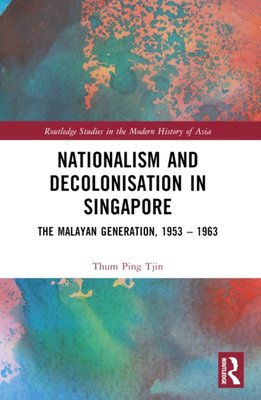
Nationalism and Decolonisation in Singapore
528,-
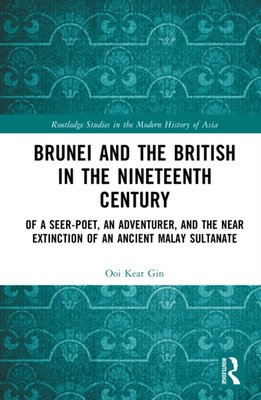
Brunei and the British in the Nineteenth Century
1 998,-
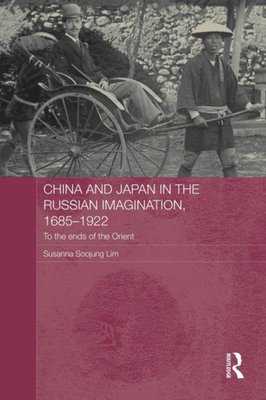
China and Japan in the Russian Imagination, 1685-1922
669,-
Colonial Armies in Southeast Asia
2 069,-
Nationalism and Decolonisation in Singapore
2 129,-

Alternative Histories of Development in Japan and East Asia
1 998,-
Colonial Cambodia''s ''Bad Frenchmen''
819,-
Germany''s Colony in China
729,-
Secularism, Decolonisation, and the Cold War in South and Southeast Asia
2 199,-
The Limits of British Colonial Control in South Asia
499,-
Nationalism and Decolonisation in Singapore
528,-
Brunei and the British in the Nineteenth Century
1 998,-
China and Japan in the Russian Imagination, 1685-1922
669,-
Colonial Armies in Southeast Asia
2 069,-
Nationalism and Decolonisation in Singapore
2 129,-
Alternative Histories of Development in Japan and East Asia
1 998,-