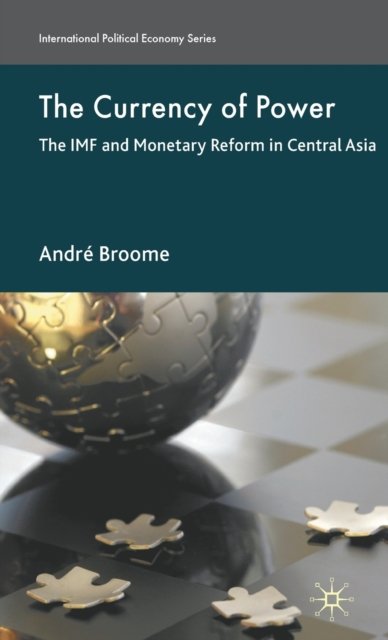
The Currency of Power
Av A. Broome, 2010.Del av serien International Political Economy Series.
The IMF and Monetary Reform in Central Asia
List of Illustrations Preface List of Abbreviations Introduction Institutional Change and the IMF Expanding the International Monetary Order after the Cold War The Disintegration of the Ruble Zone Designer Capitalism in Central Asia The Scope of the IMF's Influence in Central Asia Conclusion References Index
Ikke tilgjengelig for Klikk&Hent
Midlertidig tomt på lager
Bestillingsvare. Forventes sendt om ca 20 dager
The Currency of Power
Av A. Broome, 2010.Del av serien International Political Economy Series.
The IMF and Monetary Reform in Central Asia
List of Illustrations Preface List of Abbreviations Introduction Institutional Change and the IMF Expanding the International Monetary Order after the Cold War The Disintegration of the Ruble Zone Designer Capitalism in Central Asia The Scope of the IMF's Influence in Central Asia Conclusion References Index
Ikke tilgjengelig for Klikk&Hent
Midlertidig tomt på lager
Bestillingsvare. Forventes sendt om ca 20 dager
Ved å fullføre kjøpet aksepterer du kjøpsvilkårene.