Russia–EU Relations and the Common Neighborhood
Irina Busygina
PocketEngelsk
Del av serien Post-Soviet Politics
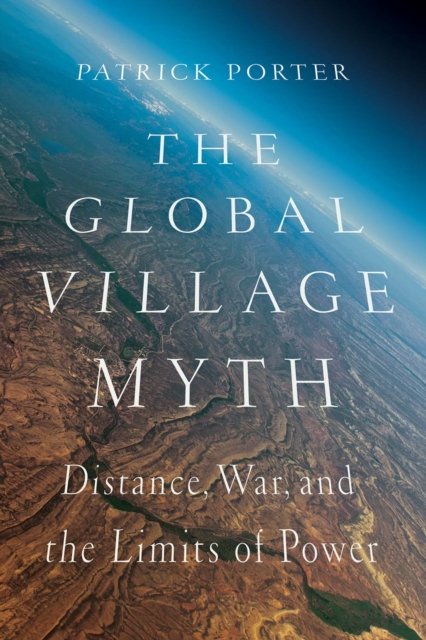
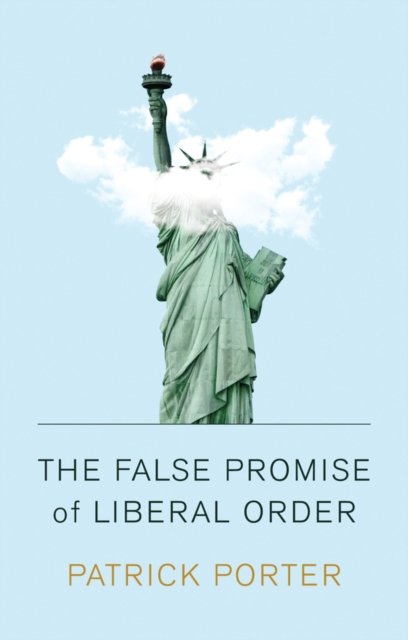
Av Patrick Porter, 2015.
Distance, War, and the Limits of Power
Does technology kill distance? Does the 'globalisation' of the world make the US and its allies vulnerable to violence, terrorism or cyber-assault? 'Globalism'-- the belief that changes in information, transport and communications are dangerously shrinking the world -- is a reigning assumption amongst security elites. It makes the United States and its allies feel perpetually insecure, haunted by rumours of chain reactions and the domino effect. At the same time, the vision of instant and borderless warfare can be seductive, making Westerners believe they must strike first, with new powers to tame a chaotic world. Under the shadow of Globalism, disastrous wars are fought, civil liberties are threatened and hysteria replaces sober debate about foreign policy. In 'The Global Village Myth', Patrick Porter demonstrates through studies of Al-Qaeda's global terror network, military tensions in the Taiwan Strait, drones and cyberwar, that Globalism is wildly overstated. Technology may accelerate movement and compress physical space. But it does not necessarily shrink strategic space, the ability to project power affordably across the earth.If distance is created by humans exploiting technology and terrain, the world in important ways is getting larger, not smaller. This makes us less powerful, but more secure, than we think. Porter offers an alternative outlook to lead policymakers toward more sensible responses and a wiser, more sustainable, grand strategy.
Ikke tilgjengelig for Klikk&Hent
Midlertidig tomt på lager
Bestillingsvare. Forventes sendt om ca 9 dager
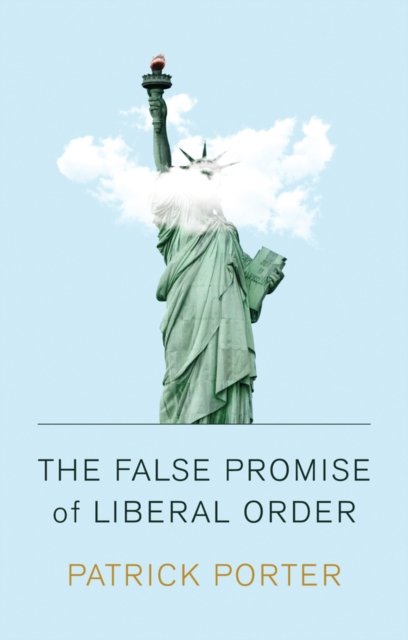
Av Patrick Porter, 2015.
Distance, War, and the Limits of Power
Does technology kill distance? Does the 'globalisation' of the world make the US and its allies vulnerable to violence, terrorism or cyber-assault? 'Globalism'-- the belief that changes in information, transport and communications are dangerously shrinking the world -- is a reigning assumption amongst security elites. It makes the United States and its allies feel perpetually insecure, haunted by rumours of chain reactions and the domino effect. At the same time, the vision of instant and borderless warfare can be seductive, making Westerners believe they must strike first, with new powers to tame a chaotic world. Under the shadow of Globalism, disastrous wars are fought, civil liberties are threatened and hysteria replaces sober debate about foreign policy. In 'The Global Village Myth', Patrick Porter demonstrates through studies of Al-Qaeda's global terror network, military tensions in the Taiwan Strait, drones and cyberwar, that Globalism is wildly overstated. Technology may accelerate movement and compress physical space. But it does not necessarily shrink strategic space, the ability to project power affordably across the earth.If distance is created by humans exploiting technology and terrain, the world in important ways is getting larger, not smaller. This makes us less powerful, but more secure, than we think. Porter offers an alternative outlook to lead policymakers toward more sensible responses and a wiser, more sustainable, grand strategy.
Ikke tilgjengelig for Klikk&Hent
Midlertidig tomt på lager
Bestillingsvare. Forventes sendt om ca 9 dager
Ved å fullføre kjøpet aksepterer du kjøpsvilkårene.