One World for One Earth
Paul Smith with Eleanor Morris, Philip Sarre og 1 annen
PocketEngelsk
Del av serien Sustainable Development Set
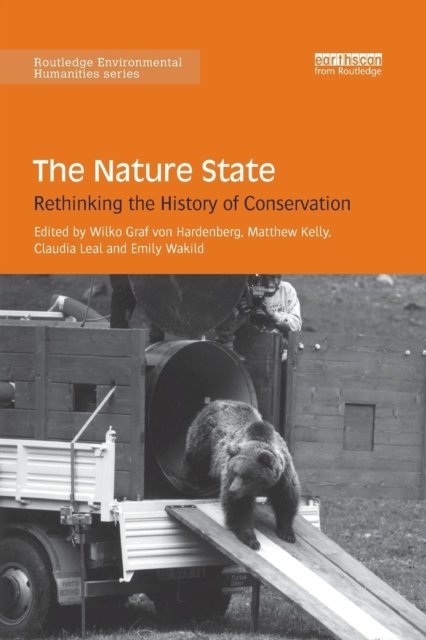
Redigert av Claudia Leal, Wilko Hardenberg, Matthew Kelly, Emily Wakild, 2019.Del av serien Routledge Environmental Humanities.
Rethinking the History of Conservation
This volume brings together case studies from around the globe (including China, Latin America, the Philippines, Namibia, India and Europe) to explore the history of nature conservation in the twentieth century. It seeks to highlight the state, a central actor in these efforts, which is often taken for granted, and establishes a novel concept – the nature state – as a means for exploring the historical formation of that portion of the state dedicated to managing and protecting nature.
Following the Industrial Revolution and post-war exponential increase in human population and consumption, conservation in myriad forms has been one particularly visible way in which the government and its agencies have tried to control, manage or produce nature for reasons other than raw exploitation. Using an interdisciplinary approach and including case studies from across the globe, this edited collection brings together geographers, sociologists, anthropologists and historians in order to examine the degree to which sociopolitical regimes facilitate and shape the emergence and development of nature states.
This innovative work marks an early intervention in the tentative turn towards the state in environmental history and will be of great interest to students and practitioners of environmental history, social anthropology and conservation studies.
Språk: Engelsk
Ikke tilgjengelig for Klikk&Hent
Midlertidig tomt på lager
Bestillingsvare. Forventes sendt om ca 10 dager
Redigert av Claudia Leal, Wilko Hardenberg, Matthew Kelly, Emily Wakild, 2019.Del av serien Routledge Environmental Humanities.
Rethinking the History of Conservation
This volume brings together case studies from around the globe (including China, Latin America, the Philippines, Namibia, India and Europe) to explore the history of nature conservation in the twentieth century. It seeks to highlight the state, a central actor in these efforts, which is often taken for granted, and establishes a novel concept – the nature state – as a means for exploring the historical formation of that portion of the state dedicated to managing and protecting nature.
Following the Industrial Revolution and post-war exponential increase in human population and consumption, conservation in myriad forms has been one particularly visible way in which the government and its agencies have tried to control, manage or produce nature for reasons other than raw exploitation. Using an interdisciplinary approach and including case studies from across the globe, this edited collection brings together geographers, sociologists, anthropologists and historians in order to examine the degree to which sociopolitical regimes facilitate and shape the emergence and development of nature states.
This innovative work marks an early intervention in the tentative turn towards the state in environmental history and will be of great interest to students and practitioners of environmental history, social anthropology and conservation studies.
Språk: Engelsk
Ikke tilgjengelig for Klikk&Hent
Midlertidig tomt på lager
Bestillingsvare. Forventes sendt om ca 10 dager
Ved å fullføre kjøpet aksepterer du kjøpsvilkårene.






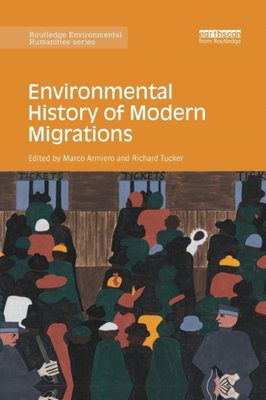
Environmental History of Modern Migrations
679,-
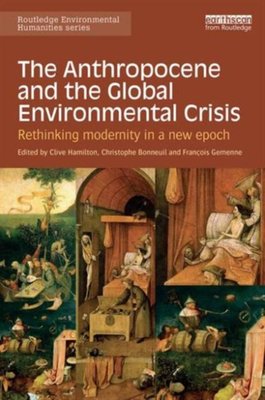
The Anthropocene and the Global Environmental Crisis
728,-
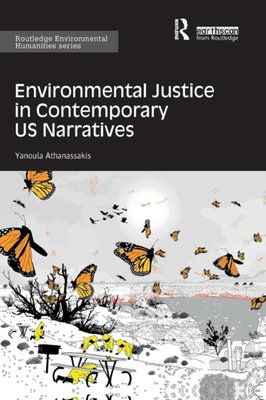
Environmental Justice in Contemporary Us Narratives
529,-
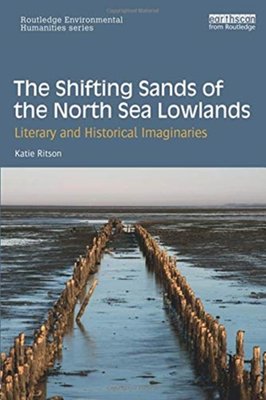
The Shifting Sands of the North Sea Lowlands
569,-
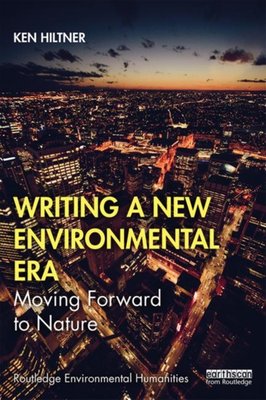
Writing a New Environmental Era
569,-
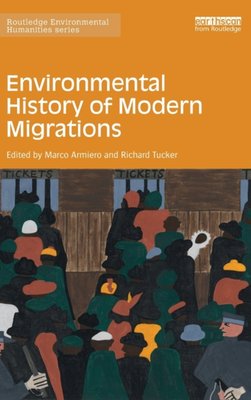
Environmental History of Modern Migrations
2 129,-
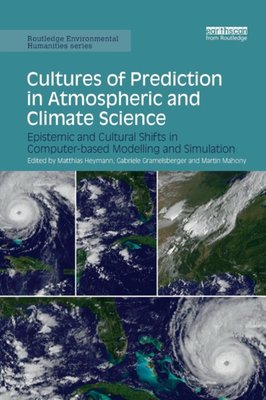
Cultures of Prediction in Atmospheric and Climate Science
679,-
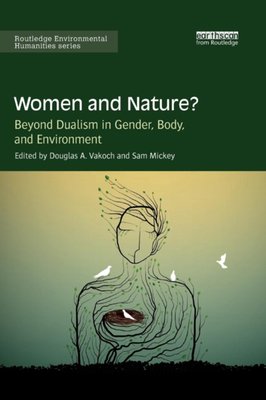
Women and Nature?
668,-
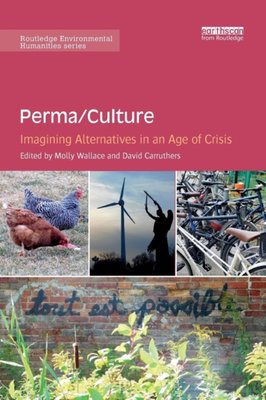
Perma/Culture
679,-
Museum Practices and the Posthumanities
498,-
Environmental History of Modern Migrations
679,-
The Anthropocene and the Global Environmental Crisis
728,-
Environmental Justice in Contemporary Us Narratives
529,-
The Shifting Sands of the North Sea Lowlands
569,-
Writing a New Environmental Era
569,-
Environmental History of Modern Migrations
2 129,-
Cultures of Prediction in Atmospheric and Climate Science
679,-
Women and Nature?
668,-
Perma/Culture
679,-
Museum Practices and the Posthumanities
498,-