Pensum -10%
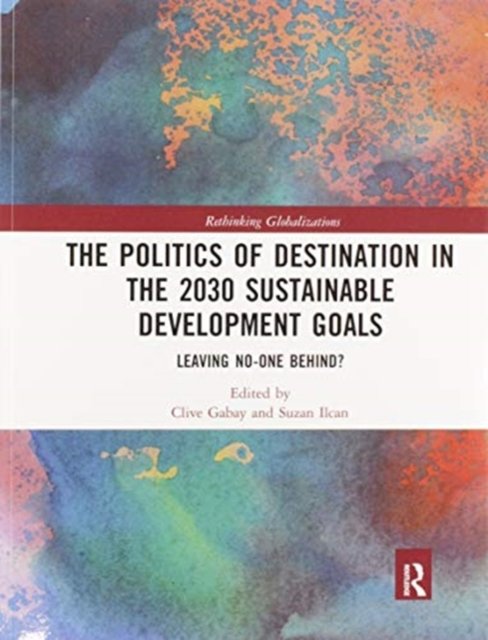
Redigert av Clive Gabay, Suzan Ilcan, 2020.Del av serien Rethinking Globalizations.
Leaving No-one Behind?
This book represents an unusual intervention in debates about the nature of contemporary international development, where the majority of scholarship tends to concern itself with measuring or collating goal performance. Through a series of analyses of the United Nations Sustainable Development Goals, this book explores development as a political construct, and is concerned with the kinds of epistemological, hegemonic, or politico-economic assumptions built into contemporary development policy, and the ensuing effectiveness the SDGs will have in terms of addressing or perpetuating the historical impoverishment of large groups of people living in poverty. The contributors to the book take issue with many of the assumptions upon which SDGs rest, while also broadening the conversation to pay attention to knowledge production, modernity, colonialism, exclusion, citizenship, and other conceptual insights. In this context, the book raises questions about the discourses and practices of the SDGs, especially in relation to how they can: define the limits of what can be said and what can be done; shape development logics through notions of division and forms of exclusion; construct political problems as technical problems; create certain spaces of imagination as a field of activity; and endorse particular ideas and forms of knowledge in models for sustainable development.
This book was originally published as a special issue of Globalizations.
Språk: Engelsk
Ikke tilgjengelig for Klikk&Hent
Midlertidig tomt på lager
Bestillingsvare. Forventes sendt om ca 8 dager
Redigert av Clive Gabay, Suzan Ilcan, 2020.Del av serien Rethinking Globalizations.
Leaving No-one Behind?
This book represents an unusual intervention in debates about the nature of contemporary international development, where the majority of scholarship tends to concern itself with measuring or collating goal performance. Through a series of analyses of the United Nations Sustainable Development Goals, this book explores development as a political construct, and is concerned with the kinds of epistemological, hegemonic, or politico-economic assumptions built into contemporary development policy, and the ensuing effectiveness the SDGs will have in terms of addressing or perpetuating the historical impoverishment of large groups of people living in poverty. The contributors to the book take issue with many of the assumptions upon which SDGs rest, while also broadening the conversation to pay attention to knowledge production, modernity, colonialism, exclusion, citizenship, and other conceptual insights. In this context, the book raises questions about the discourses and practices of the SDGs, especially in relation to how they can: define the limits of what can be said and what can be done; shape development logics through notions of division and forms of exclusion; construct political problems as technical problems; create certain spaces of imagination as a field of activity; and endorse particular ideas and forms of knowledge in models for sustainable development.
This book was originally published as a special issue of Globalizations.
Språk: Engelsk
Ikke tilgjengelig for Klikk&Hent
Midlertidig tomt på lager
Bestillingsvare. Forventes sendt om ca 8 dager
Ved å fullføre kjøpet aksepterer du kjøpsvilkårene.







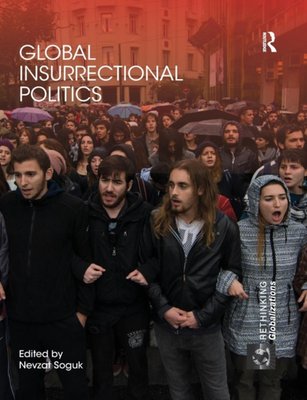
Global Insurrectional Politics
679,-
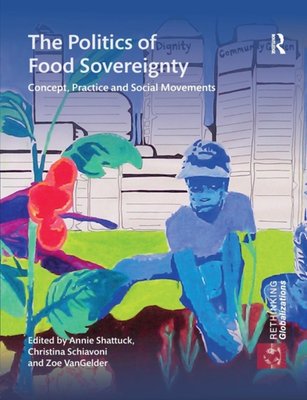
The Politics of Food Sovereignty
679,-

Time and Globalization
459,-
From International Relations to World Civilizations
679,-
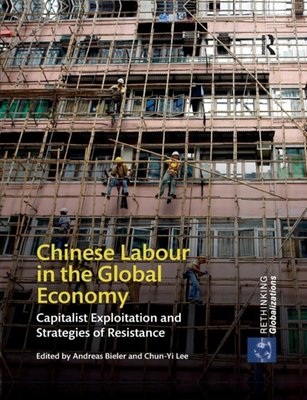
Chinese Labour in the Global Economy
679,-
Disintegrative Tendencies in Global Political Economy
419,-
Environmental Security in Transnational Contexts
649,-
Feminist Global Political Economies of the Everyday
649,-
Questioning the Utopian Springs of Market Economy
649,-
Challenging Inequality in South Africa
649,-
Global Insurrectional Politics
679,-
The Politics of Food Sovereignty
679,-
Time and Globalization
459,-
From International Relations to World Civilizations
679,-
Chinese Labour in the Global Economy
679,-
Disintegrative Tendencies in Global Political Economy
419,-
Environmental Security in Transnational Contexts
649,-
Feminist Global Political Economies of the Everyday
649,-
Questioning the Utopian Springs of Market Economy
649,-
Challenging Inequality in South Africa
649,-