Pensum -10%
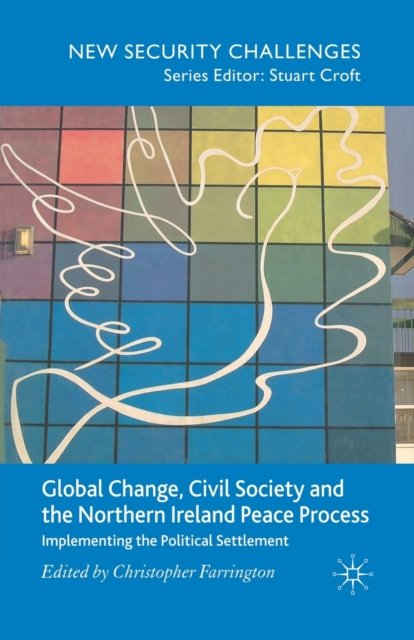
Global Change, Civil Society and the Northern Ireland Peace Process
C. Farrington
PocketEngelsk
Del av serien New Security Challenges
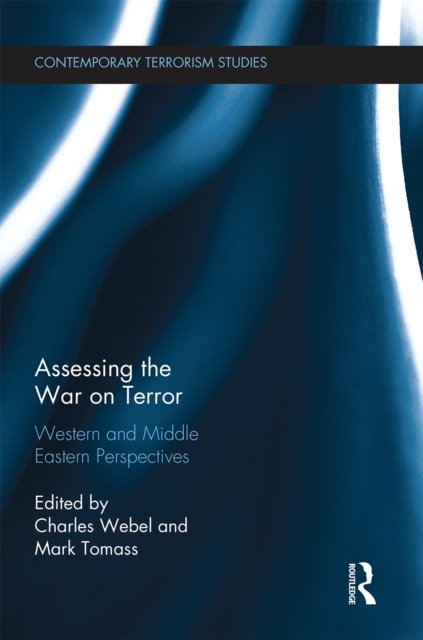
Redigert av Charles Webel, Mark Tomass, 2020.Del av serien Contemporary Terrorism Studies.
Western and Middle Eastern Perspectives
This volume is a collection of articles that critically examine the efficacy, ethics, and impact of the War on Terror as it has evolved since 9/11.
During the decade and a half of the Global War on Terror (GWOT), numerous books have considered the political, psychosocial, and economic impacts of terrorism. However, there has been little systematic effort to examine the effectiveness of the GWOT in achieving its goals. Furthermore, there is virtually nothing that presents a comparative analysis of the GWOT by the people most directly affected by it?citizens and scholars from conflict zones in the Middle East. There is, therefore, great need for a book that analyzes the strategies, tactics, and outcomes of the GWOT and that also presents facts and ideas that are missing or underrepresented in the dominant public narratives. The contributions in this volume were chosen to specifically address this need. In doing so, it uniquely provides not only Western perspectives of the GWOT, but also importantly includes perspectives from the Middle East and those most directly affected by it, including contributions from scholars and policy makers. Overall, the contributions demonstrate how views differ based on geographical location, and how views have changed during the course of the still-evolving War on Terror.
The book will be of much interest to students and scholars of terrorism and counter-terrorism, foreign policy, Middle Eastern politics, security studies and IR, as well as policy makers.
Språk: Engelsk
Ikke tilgjengelig for Klikk&Hent
Midlertidig tomt på lager
Bestillingsvare. Forventes sendt om ca 10 dager
Redigert av Charles Webel, Mark Tomass, 2020.Del av serien Contemporary Terrorism Studies.
Western and Middle Eastern Perspectives
This volume is a collection of articles that critically examine the efficacy, ethics, and impact of the War on Terror as it has evolved since 9/11.
During the decade and a half of the Global War on Terror (GWOT), numerous books have considered the political, psychosocial, and economic impacts of terrorism. However, there has been little systematic effort to examine the effectiveness of the GWOT in achieving its goals. Furthermore, there is virtually nothing that presents a comparative analysis of the GWOT by the people most directly affected by it?citizens and scholars from conflict zones in the Middle East. There is, therefore, great need for a book that analyzes the strategies, tactics, and outcomes of the GWOT and that also presents facts and ideas that are missing or underrepresented in the dominant public narratives. The contributions in this volume were chosen to specifically address this need. In doing so, it uniquely provides not only Western perspectives of the GWOT, but also importantly includes perspectives from the Middle East and those most directly affected by it, including contributions from scholars and policy makers. Overall, the contributions demonstrate how views differ based on geographical location, and how views have changed during the course of the still-evolving War on Terror.
The book will be of much interest to students and scholars of terrorism and counter-terrorism, foreign policy, Middle Eastern politics, security studies and IR, as well as policy makers.
Språk: Engelsk
Ikke tilgjengelig for Klikk&Hent
Midlertidig tomt på lager
Bestillingsvare. Forventes sendt om ca 10 dager
Ved å fullføre kjøpet aksepterer du kjøpsvilkårene.

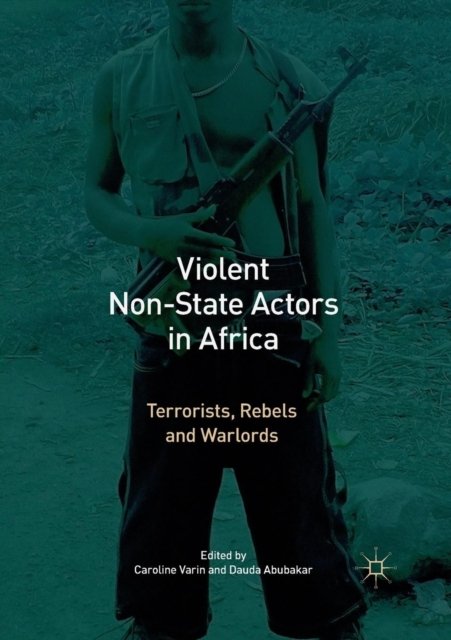
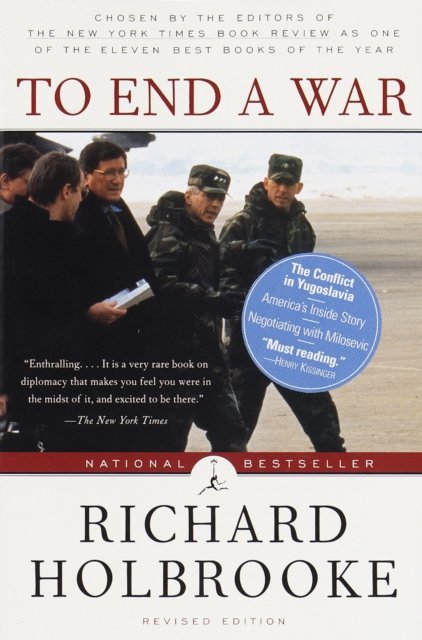
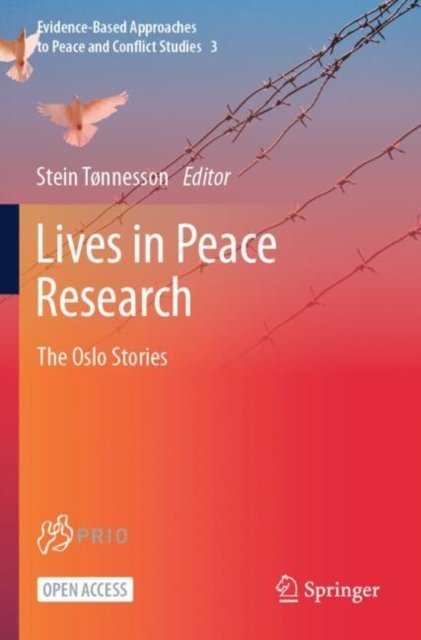





Managing Terrorism and Insurgency
489,-
Understanding Boko Haram
669,-
Reintegrating Jihadist Extremist Detainees
669,-
Victims and Perpetrators of Terrorism
669,-
Female Terrorism in America
649,-
Managing Terrorism and Insurgency
1 469,-
Strategic Culture and Violent Non-State Actors
649,-
Jihadism, Foreign Fighters and Radicalization in the Eu
669,-
Deterring Terrorism
649,-
Social Movement De-Radicalisation and the Decline of Terrorism
649,-
Managing Terrorism and Insurgency
489,-
Understanding Boko Haram
669,-
Reintegrating Jihadist Extremist Detainees
669,-
Victims and Perpetrators of Terrorism
669,-
Female Terrorism in America
649,-
Managing Terrorism and Insurgency
1 469,-
Strategic Culture and Violent Non-State Actors
649,-
Jihadism, Foreign Fighters and Radicalization in the Eu
669,-
Deterring Terrorism
649,-
Social Movement De-Radicalisation and the Decline of Terrorism
649,-