Pensum -10%
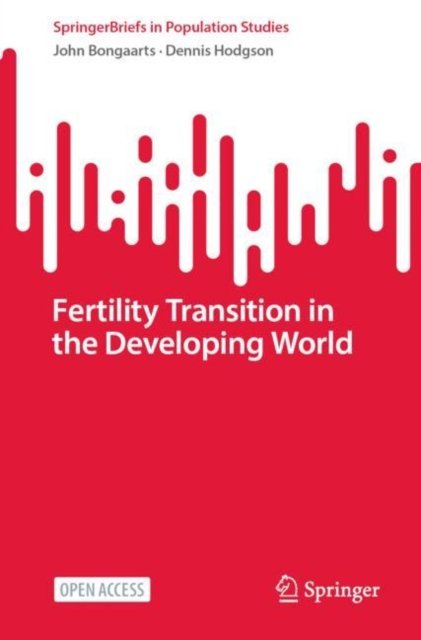
Av Dennis Hodgson, John Bongaarts, 2022.Del av serien SpringerBriefs in Population Studies.
This open access book provides an overview and analysis of the causes and consequences of the massive and highly consequential transition in reproductive behaviour that occurred in Asia, Latin America, and Africa since the mid-20th century. In the 1950s contraceptive use was rare and women typically spend most of their reproductive years bearing and rearing children. By 2020 fertility and contraceptive use in Asia and Latin America reached levels commonly observed in the developed world. Africa's fertility is still high, but transitions have started in all countries. This monograph is the first to provide a comprehensive analysis of these trends and their determinants, covering changes in reproductive behaviour (e.g., use of contraception and abortion), preferences (e.g., desire to limit and space births) and the role of socioeconomic development (e.g., education). The role of government policies and in particular family planning programs is discussed in depth. Particular attention is given to provide a balanced assessment of several political and scientific controversies that have beset the field. As such this book provides an interesting read for a wide audience of undergraduate and graduate students, researchers, and public health policy makers.
Ikke tilgjengelig for Klikk&Hent
Midlertidig tomt på lager
Bestillingsvare. Forventes sendt om ca 20 dager
Av Dennis Hodgson, John Bongaarts, 2022.Del av serien SpringerBriefs in Population Studies.
This open access book provides an overview and analysis of the causes and consequences of the massive and highly consequential transition in reproductive behaviour that occurred in Asia, Latin America, and Africa since the mid-20th century. In the 1950s contraceptive use was rare and women typically spend most of their reproductive years bearing and rearing children. By 2020 fertility and contraceptive use in Asia and Latin America reached levels commonly observed in the developed world. Africa's fertility is still high, but transitions have started in all countries. This monograph is the first to provide a comprehensive analysis of these trends and their determinants, covering changes in reproductive behaviour (e.g., use of contraception and abortion), preferences (e.g., desire to limit and space births) and the role of socioeconomic development (e.g., education). The role of government policies and in particular family planning programs is discussed in depth. Particular attention is given to provide a balanced assessment of several political and scientific controversies that have beset the field. As such this book provides an interesting read for a wide audience of undergraduate and graduate students, researchers, and public health policy makers.
Ikke tilgjengelig for Klikk&Hent
Midlertidig tomt på lager
Bestillingsvare. Forventes sendt om ca 20 dager
Ved å fullføre kjøpet aksepterer du kjøpsvilkårene.

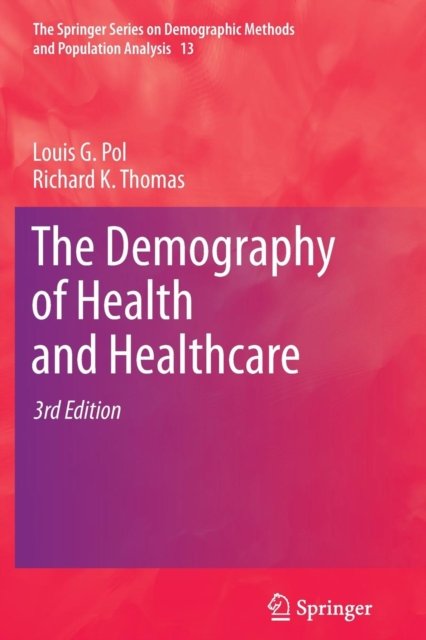
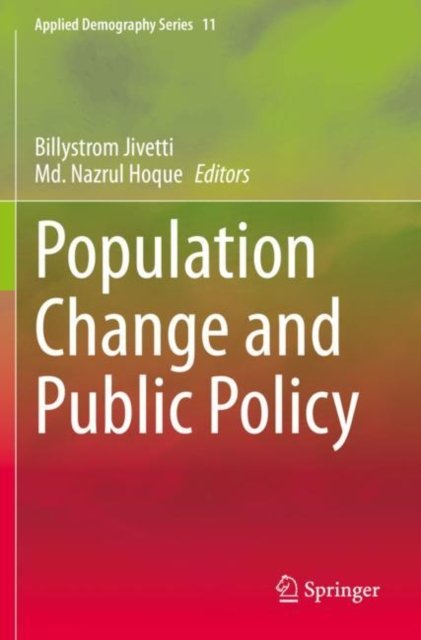
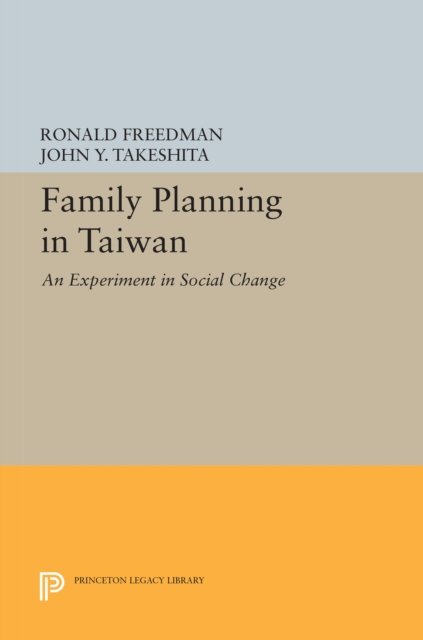






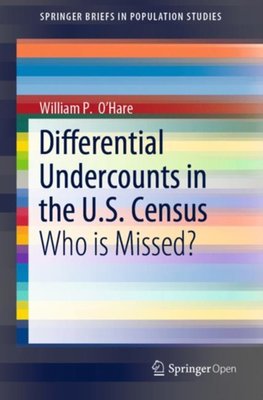
Differential Undercounts in the U.S. Census
233,-
The Sexuality-Reproduction Nexus and the Three Demographic Transitions
584,-
The Changing Migrant Composition of Australia''s Population
674,-
Population Dynamics in the Mediterranean
323,-
Human Migration and Complex Systems Science
611,-
Women?s Empowerment, Population Dynamics and Development
584,-
Population Aging and International Health-Caregiver Migration to Japan
674,-
Sociodemographic Questionnaire Modules for Comparative Social Surveys
584,-
A Shrinking Society
674,-
The Economic Impact of Population Decline and Aging in Japan
649,-
Differential Undercounts in the U.S. Census
233,-
The Sexuality-Reproduction Nexus and the Three Demographic Transitions
584,-
The Changing Migrant Composition of Australia''s Population
674,-
Population Dynamics in the Mediterranean
323,-
Human Migration and Complex Systems Science
611,-
Women?s Empowerment, Population Dynamics and Development
584,-
Population Aging and International Health-Caregiver Migration to Japan
674,-
Sociodemographic Questionnaire Modules for Comparative Social Surveys
584,-
A Shrinking Society
674,-
The Economic Impact of Population Decline and Aging in Japan
649,-