

Pensum -10%

New Challenges in Energy Security
C. Mitchell, J. Whiting og 1 annen
InnbundetEngelsk
Del av serien Energy, Climate and the Environment
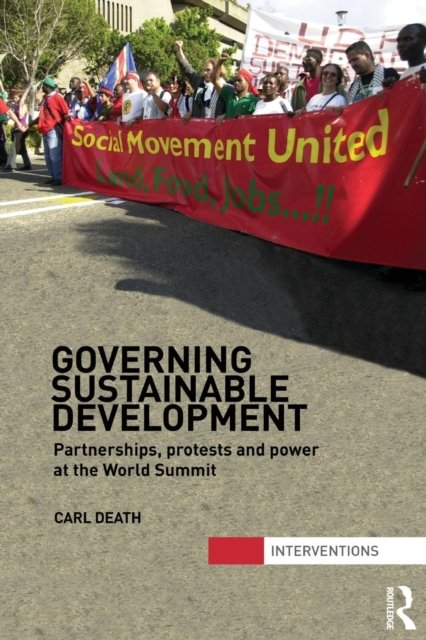
Av Carl Death, 2011.Del av serien Interventions.
Partnerships, Protests and Power at the World Summit
Multilateral UN summits from Stockholm to Copenhagen have set the pace and direction for the global governance of sustainable development. The 2002 Johannesburg World Summit on Sustainable Development (WSSD) was a key moment in the evolution of sustainable development as a discourse and summitry as a technology of government. It firmly established multi-stakeholder partnerships, carbon-trading and communication strategies as primary techniques for dealing with environmental crises. It was also a significant event in terms of South African domestic politics, witnessing some of the largest protests since the end of Apartheid.
Carl Death draws on Foucauldian governmentality literature to argue that the Johannesburg Summit was a key site for the refashioning of sustainable development as advanced liberal government; for the emergence of an exemplary logic of rule; and for the mutually interdependent relationship between ?mega-events? (summits, world cups, Olympic games) and ?mega-protests? understood as Foucauldian counter-conducts.
Analysing detailed and original research on the WSSD, Death argues that summits work to make politically sustainable a global order which is manifestly unsustainable. Paradoxically however, they also provide opportunities for the status quo to be protested and resisted. This work will be of great interest to scholars of development studies, global governance and environmental politics.
Språk: Engelsk
Ikke tilgjengelig for Klikk&Hent
Midlertidig tomt på lager
Bestillingsvare. Forventes sendt om ca 10 dager
Av Carl Death, 2011.Del av serien Interventions.
Partnerships, Protests and Power at the World Summit
Multilateral UN summits from Stockholm to Copenhagen have set the pace and direction for the global governance of sustainable development. The 2002 Johannesburg World Summit on Sustainable Development (WSSD) was a key moment in the evolution of sustainable development as a discourse and summitry as a technology of government. It firmly established multi-stakeholder partnerships, carbon-trading and communication strategies as primary techniques for dealing with environmental crises. It was also a significant event in terms of South African domestic politics, witnessing some of the largest protests since the end of Apartheid.
Carl Death draws on Foucauldian governmentality literature to argue that the Johannesburg Summit was a key site for the refashioning of sustainable development as advanced liberal government; for the emergence of an exemplary logic of rule; and for the mutually interdependent relationship between ?mega-events? (summits, world cups, Olympic games) and ?mega-protests? understood as Foucauldian counter-conducts.
Analysing detailed and original research on the WSSD, Death argues that summits work to make politically sustainable a global order which is manifestly unsustainable. Paradoxically however, they also provide opportunities for the status quo to be protested and resisted. This work will be of great interest to scholars of development studies, global governance and environmental politics.
Språk: Engelsk
Ikke tilgjengelig for Klikk&Hent
Midlertidig tomt på lager
Bestillingsvare. Forventes sendt om ca 10 dager
Ved å fullføre kjøpet aksepterer du kjøpsvilkårene.

Migration, Cosmopolitanism and Civil Society
512,-

Nation-branding in Practice
649,-

Cultures of Violence
349,-
Migrant Resistance in Contemporary Europe
669,-
Everyday Border Struggles
569,-

On the Persistence of the Japanese History Problem
649,-

Sexual Violence Against Men in Global Politics
669,-
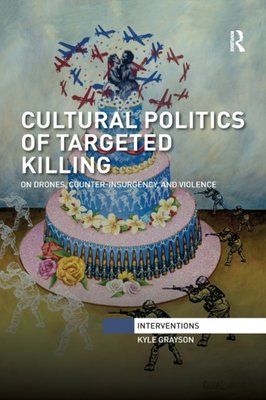
Cultural Politics of Targeted Killing
649,-

Europe Anti-Power
649,-
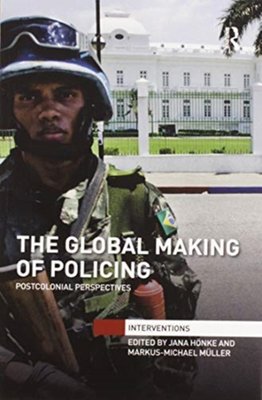
The Global Making of Policing
649,-
Migration, Cosmopolitanism and Civil Society
512,-
Nation-branding in Practice
649,-
Cultures of Violence
349,-
Migrant Resistance in Contemporary Europe
669,-
Everyday Border Struggles
569,-
On the Persistence of the Japanese History Problem
649,-
Sexual Violence Against Men in Global Politics
669,-
Cultural Politics of Targeted Killing
649,-
Europe Anti-Power
649,-
The Global Making of Policing
649,-