Pensum -10%
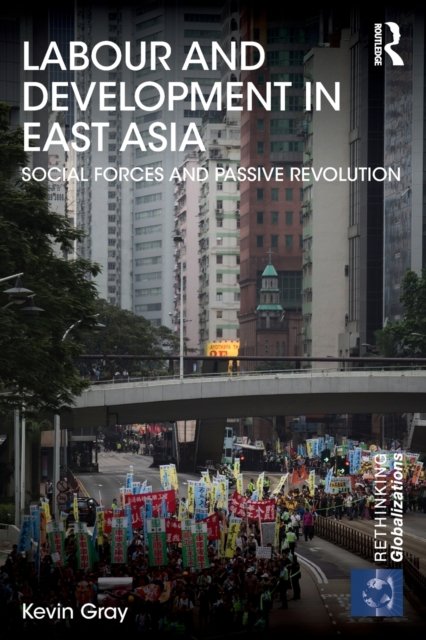
Av Kevin Gray, 2014.Del av serien Rethinking Globalizations.
Social Forces and Passive Revolution
This book is an exploration of the formation of East Asian regional political economy via the interrelationship of labour and world politics.
Språk: Engelsk
Ikke tilgjengelig for Klikk&Hent
Midlertidig tomt på lager
Bestillingsvare. Forventes sendt om ca 10 dager
Av Kevin Gray, 2014.Del av serien Rethinking Globalizations.
Social Forces and Passive Revolution
This book is an exploration of the formation of East Asian regional political economy via the interrelationship of labour and world politics.
Språk: Engelsk
Ikke tilgjengelig for Klikk&Hent
Midlertidig tomt på lager
Bestillingsvare. Forventes sendt om ca 10 dager
Ved å fullføre kjøpet aksepterer du kjøpsvilkårene.


Global Insurrectional Politics
679,-
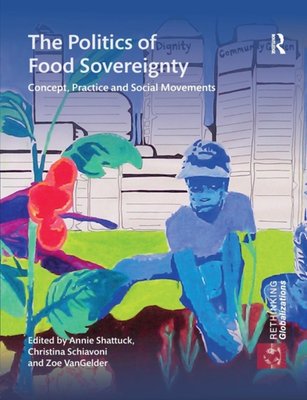
The Politics of Food Sovereignty
679,-
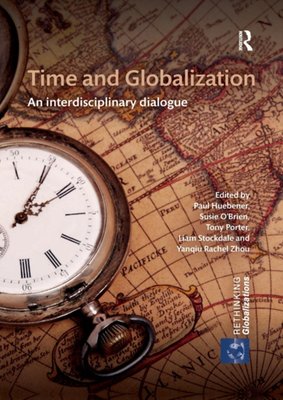
Time and Globalization
459,-
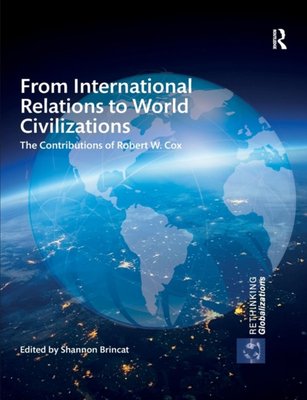
From International Relations to World Civilizations
679,-
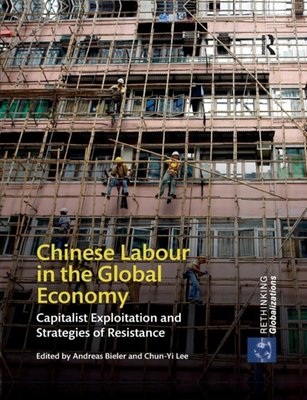
Chinese Labour in the Global Economy
679,-
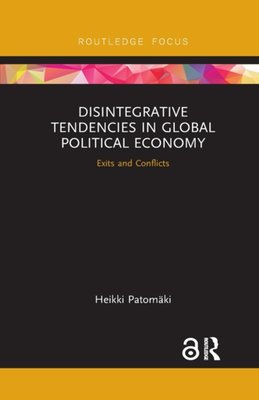
Disintegrative Tendencies in Global Political Economy
419,-
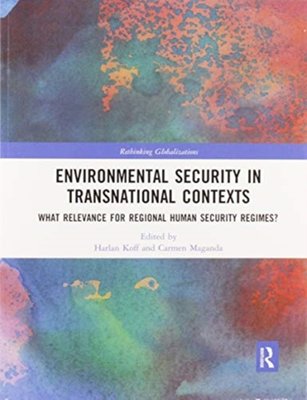
Environmental Security in Transnational Contexts
649,-
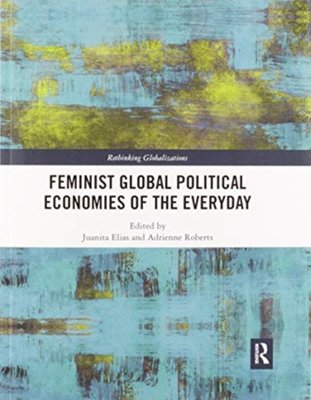
Feminist Global Political Economies of the Everyday
649,-
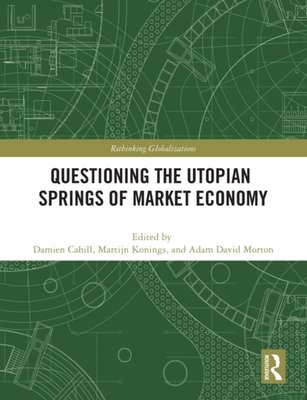
Questioning the Utopian Springs of Market Economy
649,-
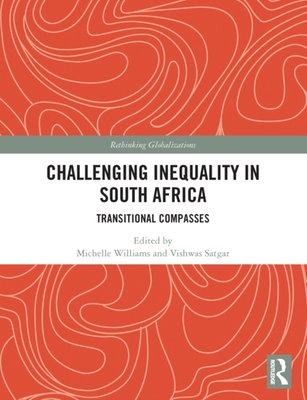
Challenging Inequality in South Africa
649,-
Global Insurrectional Politics
679,-
The Politics of Food Sovereignty
679,-
Time and Globalization
459,-
From International Relations to World Civilizations
679,-
Chinese Labour in the Global Economy
679,-
Disintegrative Tendencies in Global Political Economy
419,-
Environmental Security in Transnational Contexts
649,-
Feminist Global Political Economies of the Everyday
649,-
Questioning the Utopian Springs of Market Economy
649,-
Challenging Inequality in South Africa
649,-