Pensum -10%
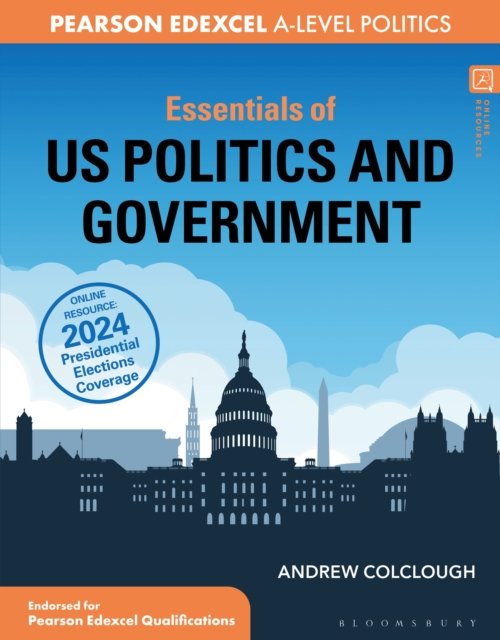
Essentials of US Politics and Government
Andrew Colclough
PocketEngelsk
Del av serien Essentials of… for Edexcel A-level Politics
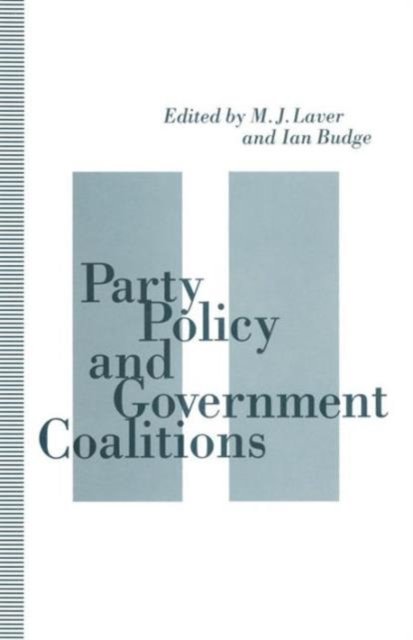
Redigert av Ian Budge, M.J. Laver, 1992.
Coalitions are the commonest kind of democratic government, occurring frequently in most countries of western Europe. It is usually assumed that political parties came together in a government coalition because they agree already, or can reach an agreement, on the policy it should pursue. This book examines this idea using evidence from party election programmes and government programmes. It demonstrates that party policies do influence government programmes, but not to the extent they would if policy-agreement were the sole basis of coalition.
Språk: Engelsk
Ikke tilgjengelig for Klikk&Hent
Midlertidig tomt på lager
Bestillingsvare. Forventes sendt om ca 20 dager
Redigert av Ian Budge, M.J. Laver, 1992.
Coalitions are the commonest kind of democratic government, occurring frequently in most countries of western Europe. It is usually assumed that political parties came together in a government coalition because they agree already, or can reach an agreement, on the policy it should pursue. This book examines this idea using evidence from party election programmes and government programmes. It demonstrates that party policies do influence government programmes, but not to the extent they would if policy-agreement were the sole basis of coalition.
Språk: Engelsk
Ikke tilgjengelig for Klikk&Hent
Midlertidig tomt på lager
Bestillingsvare. Forventes sendt om ca 20 dager
Ved å fullføre kjøpet aksepterer du kjøpsvilkårene.