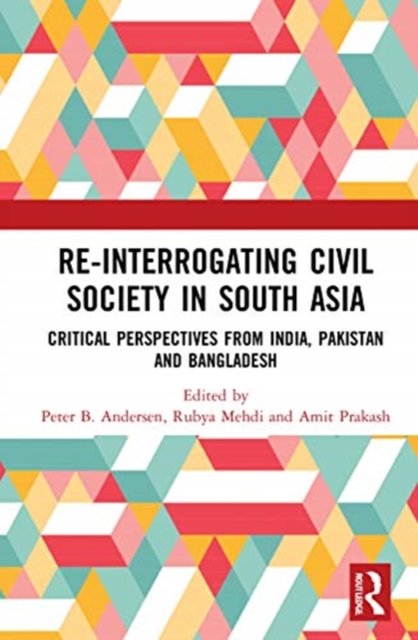
European Citizenship and Identity Outside of the European Union
Agnieszka Weinar
PocketEngelsk
Del av serien Critical European Studies
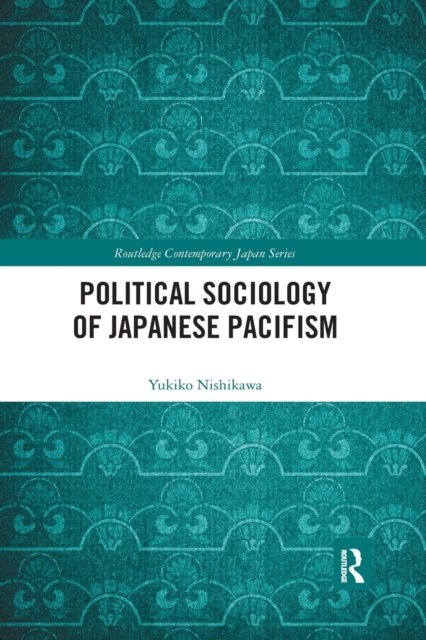
Av Yukiko Nishikawa, 2020.Del av serien Routledge Contemporary Japan Series.
While Japanese pacifism is usually seen as a national policy or an ideology rooted in the provision of Article 9 of the Japanese Constitution, it cannot be adequately understood without grasping Japanese social discourses on peace, war and justice. The perspective of political sociology provides a more in-depth understanding of Japanese pacifism and helps us to find the reasons for the critical changes that have occurred in Japan?s policies since the mid-2000s. These changes include sending its self-defense force to Iraq and Afghanistan outside UN missions and the enactment of new security legislation in 2015. Nishikawa explores Japanese pacifism in a changing domestic and regional context, from the perspective of political sociology. Getting to grips with the social bases of politics, she examines whether Japan is likely to remain a pacifist country or retain its pacifist image in changing regional and global context.
This book comprehensively examines Japanese pacifism by fully examining the social forces in action. Employing a multidisciplinary approach, the book contributes to theoretical debates on political sociology as well as Japanese and Asian studies. Japan is in an important transitional period and Japanese pacifism is being brought into question in changing national and international contexts.
Språk: Engelsk
Ikke tilgjengelig for Klikk&Hent
Midlertidig tomt på lager
Bestillingsvare. Forventes sendt om ca 10 dager
Av Yukiko Nishikawa, 2020.Del av serien Routledge Contemporary Japan Series.
While Japanese pacifism is usually seen as a national policy or an ideology rooted in the provision of Article 9 of the Japanese Constitution, it cannot be adequately understood without grasping Japanese social discourses on peace, war and justice. The perspective of political sociology provides a more in-depth understanding of Japanese pacifism and helps us to find the reasons for the critical changes that have occurred in Japan?s policies since the mid-2000s. These changes include sending its self-defense force to Iraq and Afghanistan outside UN missions and the enactment of new security legislation in 2015. Nishikawa explores Japanese pacifism in a changing domestic and regional context, from the perspective of political sociology. Getting to grips with the social bases of politics, she examines whether Japan is likely to remain a pacifist country or retain its pacifist image in changing regional and global context.
This book comprehensively examines Japanese pacifism by fully examining the social forces in action. Employing a multidisciplinary approach, the book contributes to theoretical debates on political sociology as well as Japanese and Asian studies. Japan is in an important transitional period and Japanese pacifism is being brought into question in changing national and international contexts.
Språk: Engelsk
Ikke tilgjengelig for Klikk&Hent
Midlertidig tomt på lager
Bestillingsvare. Forventes sendt om ca 10 dager
Ved å fullføre kjøpet aksepterer du kjøpsvilkårene.














Local Politics and National Policy
679,-

Trauma, Dissociation and Re-enactment in Japanese Literature and Film
679,-

Rethinking Japanese Studies
669,-
Japan''s Quest for Stability in Southeast Asia
669,-
Gender and the Koseki In Contemporary Japan
649,-

Being Young in Super-Aging Japan
649,-
Japan?s Colonial Moment in Southeast Asia 1942-1945
649,-
Women and Political Inequality in Japan
649,-
Challenging Nuclear Pacifism in Japan
528,-

Japan?s Nationalist Right in the Internet Age
649,-

Human Security in Southeast Asia
679,-
Japan''s Changing Role in Humanitarian Crises
679,-
International Norms and Local Politics in Myanmar
649,-
International Norms and Local Politics in Myanmar
2 129,-

Japan''s Changing Role in Humanitarian Crises
2 129,-

Human Security in Southeast Asia
2 269,-

The Politics of Conformity in Japan
1 998,-
Local Politics and National Policy
679,-
Trauma, Dissociation and Re-enactment in Japanese Literature and Film
679,-
Rethinking Japanese Studies
669,-
Japan''s Quest for Stability in Southeast Asia
669,-
Gender and the Koseki In Contemporary Japan
649,-
Being Young in Super-Aging Japan
649,-
Japan?s Colonial Moment in Southeast Asia 1942-1945
649,-
Women and Political Inequality in Japan
649,-
Challenging Nuclear Pacifism in Japan
528,-
Japan?s Nationalist Right in the Internet Age
649,-
Human Security in Southeast Asia
679,-
Japan''s Changing Role in Humanitarian Crises
679,-
International Norms and Local Politics in Myanmar
649,-
International Norms and Local Politics in Myanmar
2 129,-
Japan''s Changing Role in Humanitarian Crises
2 129,-
Human Security in Southeast Asia
2 269,-
The Politics of Conformity in Japan
1 998,-