Pensum -10%
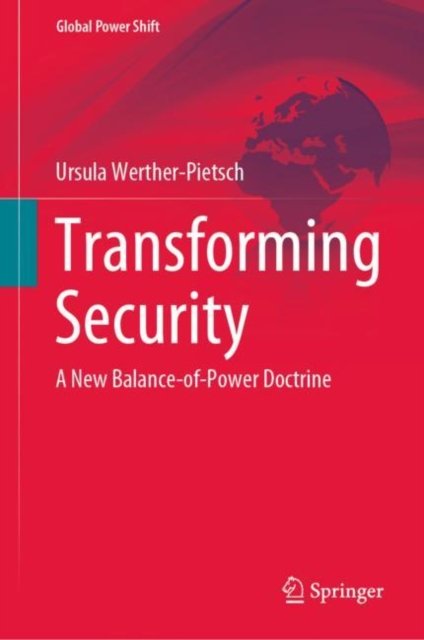
Av Ursula Werther-Pietsch, 2021.Del av serien Global Power Shift.
A New Balance-of-Power Doctrine
This book analyses the collective security system as it now stands, focusing on strategic and normative frameworks. The old system of international collective security is based on assumptions that are inadequate in relation to current challenges. Against the backdrop of changed geopolitical constellations, democracies under siege and the challenges posed by new types of warfare, critical analysts hold that not a single multilateral institution today is fully up to the task it was created for. The UN, from its founding to the Sustained Peace Approach, represents a fascinating global process of vision-building and adaptation to reality.
Based on this understanding, the dynamics of the UN peace and security architecture are examined along with major agendas, from peacebuilding to development. In turn, reform proposals in the post-COVID-19 era are discussed.
The book examines whether a regionalization of security structures within the UN framework may offer a way out of global fragility and growing instability factors, a question of utmost importance for conflict prevention and crisis management in the next few decades. In turn, the author discusses a normative positioning of a new intervention logic as the lowest common denominator between collaborative regional orders. Reinvented multilateralism will return as a "must." Given its scope, the book will appeal to students and scholars of international relations and international security studies, as well as to policymakers in governments and international organizations.
Språk: Engelsk
Ikke tilgjengelig for Klikk&Hent
Midlertidig tomt på lager
Bestillingsvare. Forventes sendt om ca 20 dager
Av Ursula Werther-Pietsch, 2021.Del av serien Global Power Shift.
A New Balance-of-Power Doctrine
This book analyses the collective security system as it now stands, focusing on strategic and normative frameworks. The old system of international collective security is based on assumptions that are inadequate in relation to current challenges. Against the backdrop of changed geopolitical constellations, democracies under siege and the challenges posed by new types of warfare, critical analysts hold that not a single multilateral institution today is fully up to the task it was created for. The UN, from its founding to the Sustained Peace Approach, represents a fascinating global process of vision-building and adaptation to reality.
Based on this understanding, the dynamics of the UN peace and security architecture are examined along with major agendas, from peacebuilding to development. In turn, reform proposals in the post-COVID-19 era are discussed.
The book examines whether a regionalization of security structures within the UN framework may offer a way out of global fragility and growing instability factors, a question of utmost importance for conflict prevention and crisis management in the next few decades. In turn, the author discusses a normative positioning of a new intervention logic as the lowest common denominator between collaborative regional orders. Reinvented multilateralism will return as a "must." Given its scope, the book will appeal to students and scholars of international relations and international security studies, as well as to policymakers in governments and international organizations.
Språk: Engelsk
Ikke tilgjengelig for Klikk&Hent
Midlertidig tomt på lager
Bestillingsvare. Forventes sendt om ca 20 dager
Ved å fullføre kjøpet aksepterer du kjøpsvilkårene.





The Euro-Atlantic Security System in the 21st Century
1 466,-
Soft Power
1 340,-
China''s Belt and Road Vision
1 214,-
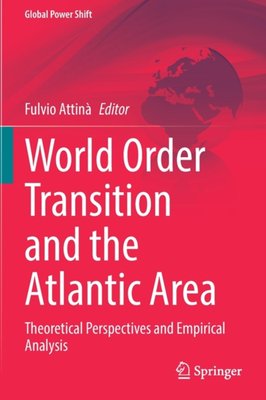
World Order Transition and the Atlantic Area
1 340,-
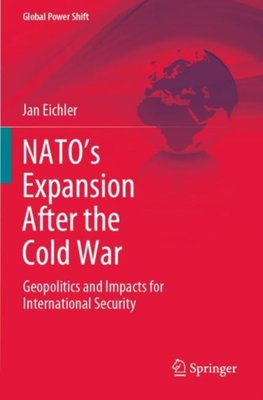
NATO''s Expansion After the Cold War
1 340,-
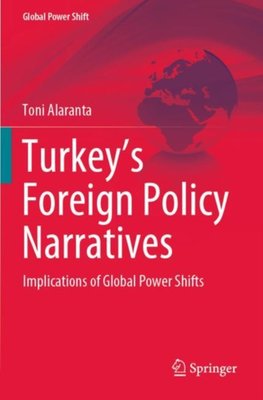
Turkey''s Foreign Policy Narratives
1 340,-
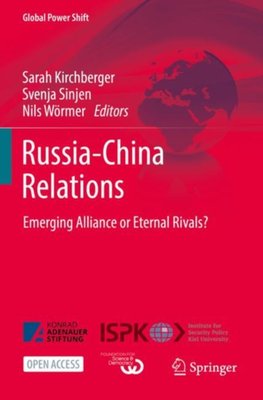
Russia-China Relations
431,-
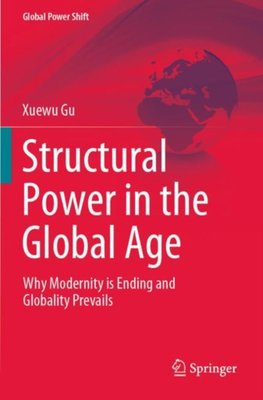
Structural Power in the Global Age
584,-
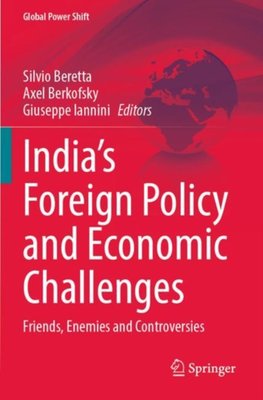
India’s Foreign Policy and Economic Challenges
1 592,-
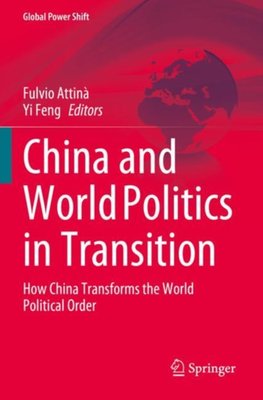
China and World Politics in Transition
1 466,-
The Euro-Atlantic Security System in the 21st Century
1 466,-
Soft Power
1 340,-
China''s Belt and Road Vision
1 214,-
World Order Transition and the Atlantic Area
1 340,-
NATO''s Expansion After the Cold War
1 340,-
Turkey''s Foreign Policy Narratives
1 340,-
Russia-China Relations
431,-
Structural Power in the Global Age
584,-
India’s Foreign Policy and Economic Challenges
1 592,-
China and World Politics in Transition
1 466,-