Pensum -10%
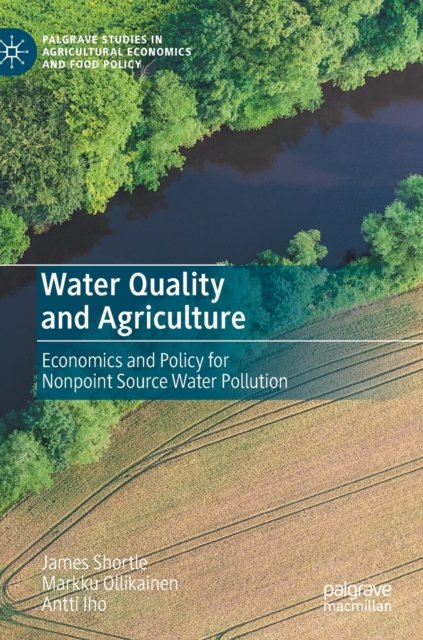
Av Antti Iho, Markku Ollikainen, James Shortle, 2021.Del av serien Palgrave Studies in Agricultural Economics and Food Policy.
Economics and Policy for Nonpoint Source Water Pollution
Water pollution control has been a top environmental policy priority of the world’s most developed countries for decades, and the focus of significant regulation and public and private spending. Yet, significant water quality problems remain, and trends for some pollutants are in the wrong direction. This book addresses the economics of water pollution control and water pollution control policy in agriculture, with an aim towards providing students, environmental policy analysts, and other environmental professionals with economic concepts and tools essential to understanding the problem and crafting solutions that can be effective and efficient. The book will also examine existing policies and proposed reforms in the developed world. Although this book addresses and has a general applicability to major water pollutants from agriculture (e.g., pesticides, pharmaceuticals, sediments, nutrients), it will focus on the sediment and nutrient pollution problem. The economic and scientific foundations for pollution management are best developed for these pollutants, and they are currently the top priorities of policy makers. Accordingly, the authors provide both highly salient and informative cases for developing concepts and methods of general applicability, with high profile examples such as the Chesapeake Bay, Lake Erie, and the Gulf of Mexico Dead Zone in the US; the Baltic Sea in Northern Europe; and Lake Taupo in New Zealand.
Språk: Engelsk
Ikke tilgjengelig for Klikk&Hent
Midlertidig tomt på lager
Bestillingsvare. Forventes sendt om ca 20 dager
Av Antti Iho, Markku Ollikainen, James Shortle, 2021.Del av serien Palgrave Studies in Agricultural Economics and Food Policy.
Economics and Policy for Nonpoint Source Water Pollution
Water pollution control has been a top environmental policy priority of the world’s most developed countries for decades, and the focus of significant regulation and public and private spending. Yet, significant water quality problems remain, and trends for some pollutants are in the wrong direction. This book addresses the economics of water pollution control and water pollution control policy in agriculture, with an aim towards providing students, environmental policy analysts, and other environmental professionals with economic concepts and tools essential to understanding the problem and crafting solutions that can be effective and efficient. The book will also examine existing policies and proposed reforms in the developed world. Although this book addresses and has a general applicability to major water pollutants from agriculture (e.g., pesticides, pharmaceuticals, sediments, nutrients), it will focus on the sediment and nutrient pollution problem. The economic and scientific foundations for pollution management are best developed for these pollutants, and they are currently the top priorities of policy makers. Accordingly, the authors provide both highly salient and informative cases for developing concepts and methods of general applicability, with high profile examples such as the Chesapeake Bay, Lake Erie, and the Gulf of Mexico Dead Zone in the US; the Baltic Sea in Northern Europe; and Lake Taupo in New Zealand.
Språk: Engelsk
Ikke tilgjengelig for Klikk&Hent
Midlertidig tomt på lager
Bestillingsvare. Forventes sendt om ca 20 dager
Ved å fullføre kjøpet aksepterer du kjøpsvilkårene.








Agricultural Policy of the United States
674,-
The Economics of Biofuel Policies
404,-

Agricultural Trade, Policy Reforms, and Global Food Security
926,-
The Political Economy of Agricultural and Food Policies
1 340,-
Institutions and Agrarian Development
674,-
Agricultural Policy of the United States
674,-
Transforming Food Systems for a Rising India
323,-
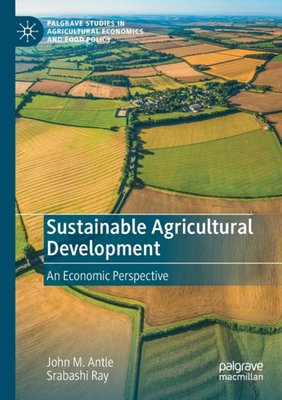
Sustainable Agricultural Development
431,-
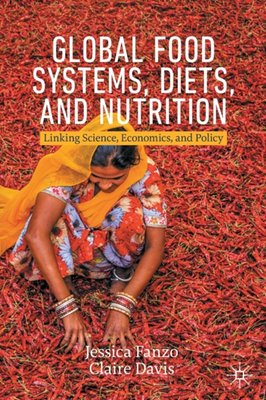
Global Food Systems, Diets, and Nutrition
350,-
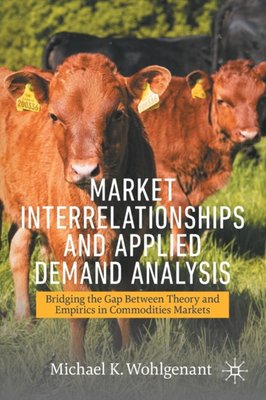
Market Interrelationships and Applied Demand Analysis
674,-
Agricultural Policy of the United States
674,-
The Economics of Biofuel Policies
404,-
Agricultural Trade, Policy Reforms, and Global Food Security
926,-
The Political Economy of Agricultural and Food Policies
1 340,-
Institutions and Agrarian Development
674,-
Agricultural Policy of the United States
674,-
Transforming Food Systems for a Rising India
323,-
Sustainable Agricultural Development
431,-
Global Food Systems, Diets, and Nutrition
350,-
Market Interrelationships and Applied Demand Analysis
674,-