Pensum -10%

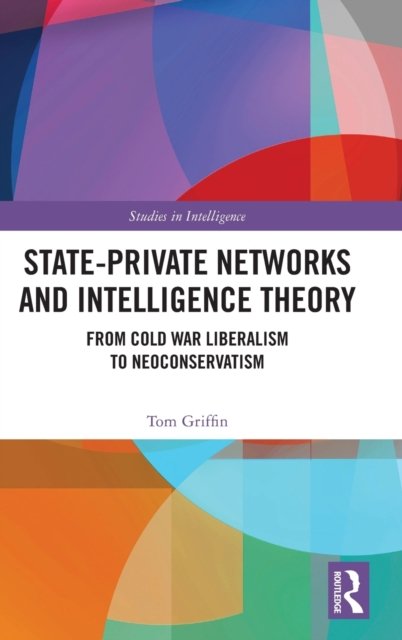
Av Tom Griffin, 2022.Del av serien Studies in Intelligence.
From Cold War Liberalism to Neoconservatism
This book examines the United States neoconservative movement, arguing that its support for the 2003 invasion of Iraq was rooted in an intelligence theory shaped by the policy struggles of the Cold War.
The origins of neoconservative engagement with intelligence theory are traced to a tradition of labour anti-communism that emerged in the early 20th century and subsequently provided the Central Intelligence Agency with key allies in the state-private networks of the Cold War era. Reflecting on the break-up of Cold War liberalism and the challenge to state-private networks in the 1970s, the book maps the neoconservative response that influenced developments in United States intelligence policy, counterintelligence and covert action. With the labour roots of neoconservatism widely acknowledged but rarely systematically pursued, this new approach deploys the neoconservative literature of intelligence as evidence of a tradition rooted in the labour anti-communist self-image as allies rather than agents of the American state.
This book will be of great interest to all students of intelligence studies, Cold War history, United States foreign policy and international relations.
Språk: Engelsk
Ikke tilgjengelig for Klikk&Hent
Midlertidig tomt på lager
Bestillingsvare. Forventes sendt om ca 10 dager
Av Tom Griffin, 2022.Del av serien Studies in Intelligence.
From Cold War Liberalism to Neoconservatism
This book examines the United States neoconservative movement, arguing that its support for the 2003 invasion of Iraq was rooted in an intelligence theory shaped by the policy struggles of the Cold War.
The origins of neoconservative engagement with intelligence theory are traced to a tradition of labour anti-communism that emerged in the early 20th century and subsequently provided the Central Intelligence Agency with key allies in the state-private networks of the Cold War era. Reflecting on the break-up of Cold War liberalism and the challenge to state-private networks in the 1970s, the book maps the neoconservative response that influenced developments in United States intelligence policy, counterintelligence and covert action. With the labour roots of neoconservatism widely acknowledged but rarely systematically pursued, this new approach deploys the neoconservative literature of intelligence as evidence of a tradition rooted in the labour anti-communist self-image as allies rather than agents of the American state.
This book will be of great interest to all students of intelligence studies, Cold War history, United States foreign policy and international relations.
Språk: Engelsk
Ikke tilgjengelig for Klikk&Hent
Midlertidig tomt på lager
Bestillingsvare. Forventes sendt om ca 10 dager
Ved å fullføre kjøpet aksepterer du kjøpsvilkårene.













India''s Intelligence Culture and Strategic Surprises
528,-

India''s Intelligence Culture and Strategic Surprises
2 129,-

Intelligence Services in South Asia
2 129,-

Intelligence Cooperation and the War on Terror
819,-

Interrogation in War and Conflict
649,-

Israeli National Intelligence Culture
588,-

US Covert Operations and Cold War Strategy
749,-

Intelligence Cooperation and the War on Terror
2 199,-
Intelligence and Military Operations
2 269,-

Contemporary Intelligence in Africa
2 129,-
India''s Intelligence Culture and Strategic Surprises
528,-
India''s Intelligence Culture and Strategic Surprises
2 129,-
Intelligence Services in South Asia
2 129,-
Intelligence Cooperation and the War on Terror
819,-
Interrogation in War and Conflict
649,-
Israeli National Intelligence Culture
588,-
US Covert Operations and Cold War Strategy
749,-
Intelligence Cooperation and the War on Terror
2 199,-
Intelligence and Military Operations
2 269,-
Contemporary Intelligence in Africa
2 129,-